Former Maléševo Director and Two Berovo Residents Charged for Illegal Logging and Timber Sales
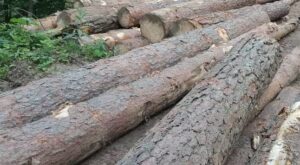
Three residents of Berovo, North Macedonia, have been criminally charged for their alleged involvement in months of illegal logging and timber sales. The accused individuals, identified as N.A. (44), Z.P. (46), and G.P. (40), are suspected of illegally felling trees and subsequently marking the timber as originating from private land to conceal their illicit activities. The charges were brought forth by the External Office for Criminal Affairs in Berovo. The investigation reportedly uncovered a scheme where these individuals participated in the unlawful harvesting and distribution of wood. Further details regarding the specific nature of the charges, such as 'abuse of official position,' are mentioned but not fully elaborated in the provided text. The case highlights ongoing efforts by authorities to combat environmental crimes and illegal resource exploitation within the region. The involvement of a former director from the 'Maléševo' entity suggests a potential abuse of insider knowledge or influence in facilitating these illegal operations. The legal proceedings will likely focus on proving the extent of the illegal logging, the methods used for misrepresentation, and the financial gains derived from these activities. This incident underscores the importance of robust oversight and enforcement mechanisms to protect natural resources from criminal exploitation.
This case involves alleged illegal logging and timber misrepresentation, suggesting potential systemic weaknesses in resource management oversight and enforcement. The alleged actions, if proven, indicate a disregard for environmental regulations and potentially exploit loopholes in timber tracking and certification processes. The involvement of a former director from a relevant entity raises questions about governance failures and the effectiveness of internal controls. Future efforts could focus on strengthening supply chain transparency, enhancing penalties for environmental crimes, and improving inter-agency cooperation to deter such activities. Examining the economic incentives driving illegal logging and developing sustainable alternatives for local communities could also mitigate future occurrences. The long-term implications involve the ecological impact of deforestation and the erosion of public trust in regulatory bodies.
AI-generated to prompt reflection — not editorial opinion, not advice, not a statement of fact. How this works.