Former Manguinhos Refinery Land to be Auctioned for Federal Debt Settlement
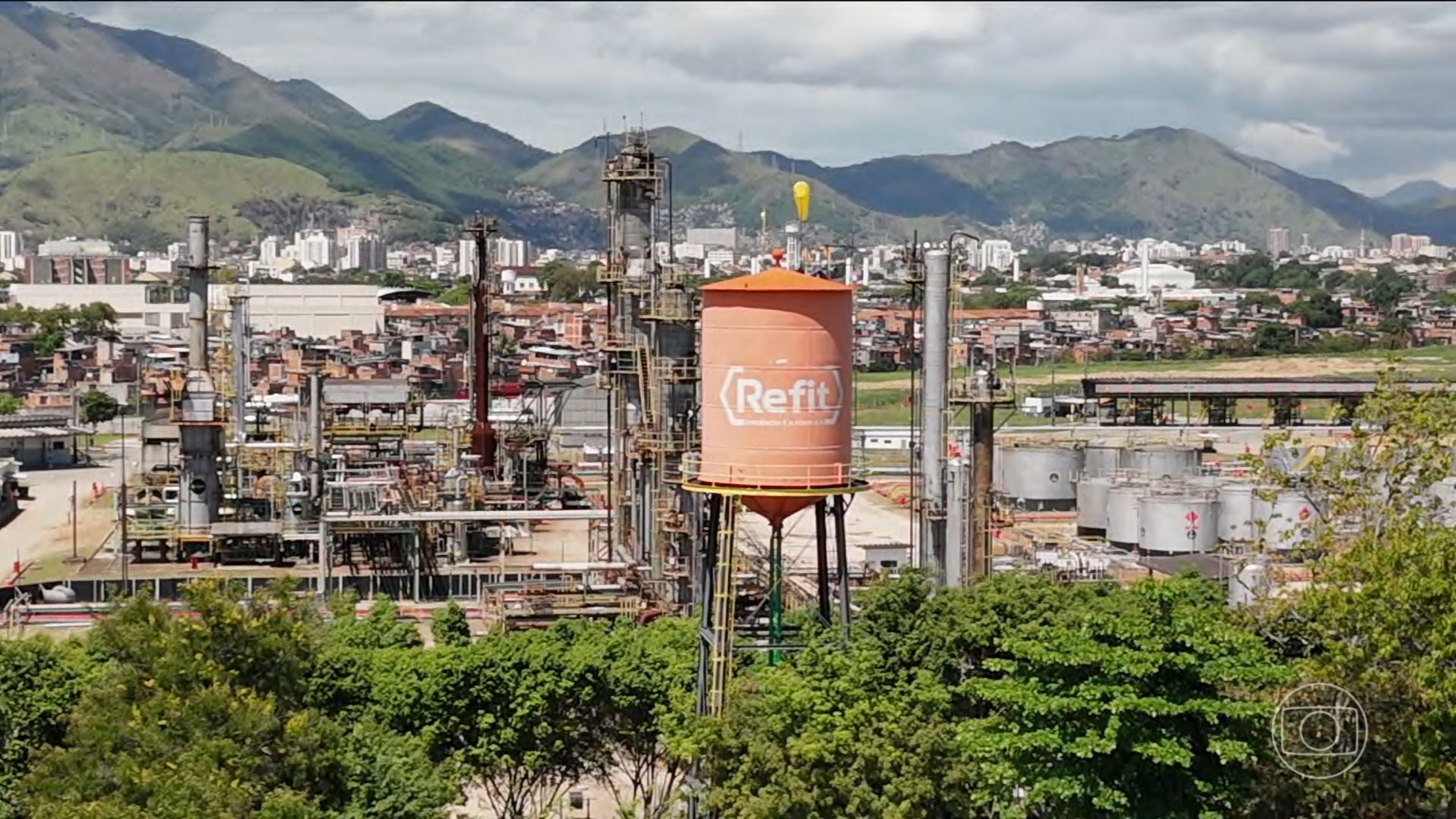
The land belonging to Refit, formerly known as the Manguinhos Refinery, located in the northern zone of Rio de Janeiro, will be auctioned by the Federal Justice system to settle the company's debts with the Brazilian Union. The property has been valued at R$ 23,537,852.10, with the auction to be awarded to the highest bidder. A minimum price of R$ 11,768,926.05, equivalent to 50% of the appraised value, has been set by the judge. The property is described as an industrial site with extensive land, buildings, and facilities for oil refining and fuel storage, including tanks, structures, and administrative buildings. It offers direct access to a major expressway and is situated in a key access route to Rio de Janeiro, benefiting from urban infrastructure and public transportation. Electronic auctions are scheduled for September 9 and 23, October 7 and 21, and November 18 and December 1, 2026, with a first and second round for each date. Refit, led by businessman Ricardo Magro, is identified as a significant tax debtor, being the largest ICMS (Tax on Circulation of Goods and Services) debtor in São Paulo state and the second largest in Rio de Janeiro, as well as one of the largest federal debtors. The company's financial situation has led the Federal Revenue Service to classify it as a "habitual debtor" since 2025, a designation for companies that strategically use tax non-payment. The Ministry of Finance reports that the conglomerate's accumulated debts reach R$ 52 billion, representing the largest tax liability in the country. In Rio de Janeiro, the Manguinhos Refinery is listed as the second-largest state debtor, with debts exceeding R$ 14 billion, according to the Attorney General's Office.
This auction signifies a critical juncture for Refit, highlighting the consequences of persistent tax non-compliance. The company's classification as a "habitual debtor" suggests a business model that may have relied on deferred tax obligations, a strategy now facing legal and financial repercussions. The substantial debt, exceeding R$ 52 billion nationally and R$ 14 billion in Rio de Janeiro, indicates systemic challenges in managing financial liabilities within the energy sector. Future business models in this capital-intensive industry will likely require more robust financial governance and proactive risk management to navigate regulatory environments and avoid similar outcomes, especially as energy markets evolve with technological advancements and sustainability demands.
AI-generated to prompt reflection — not editorial opinion, not advice, not a statement of fact. How this works.