Former Mayor and Businessmen Accused of Multi-Million Dollar Truck Rental Scheme
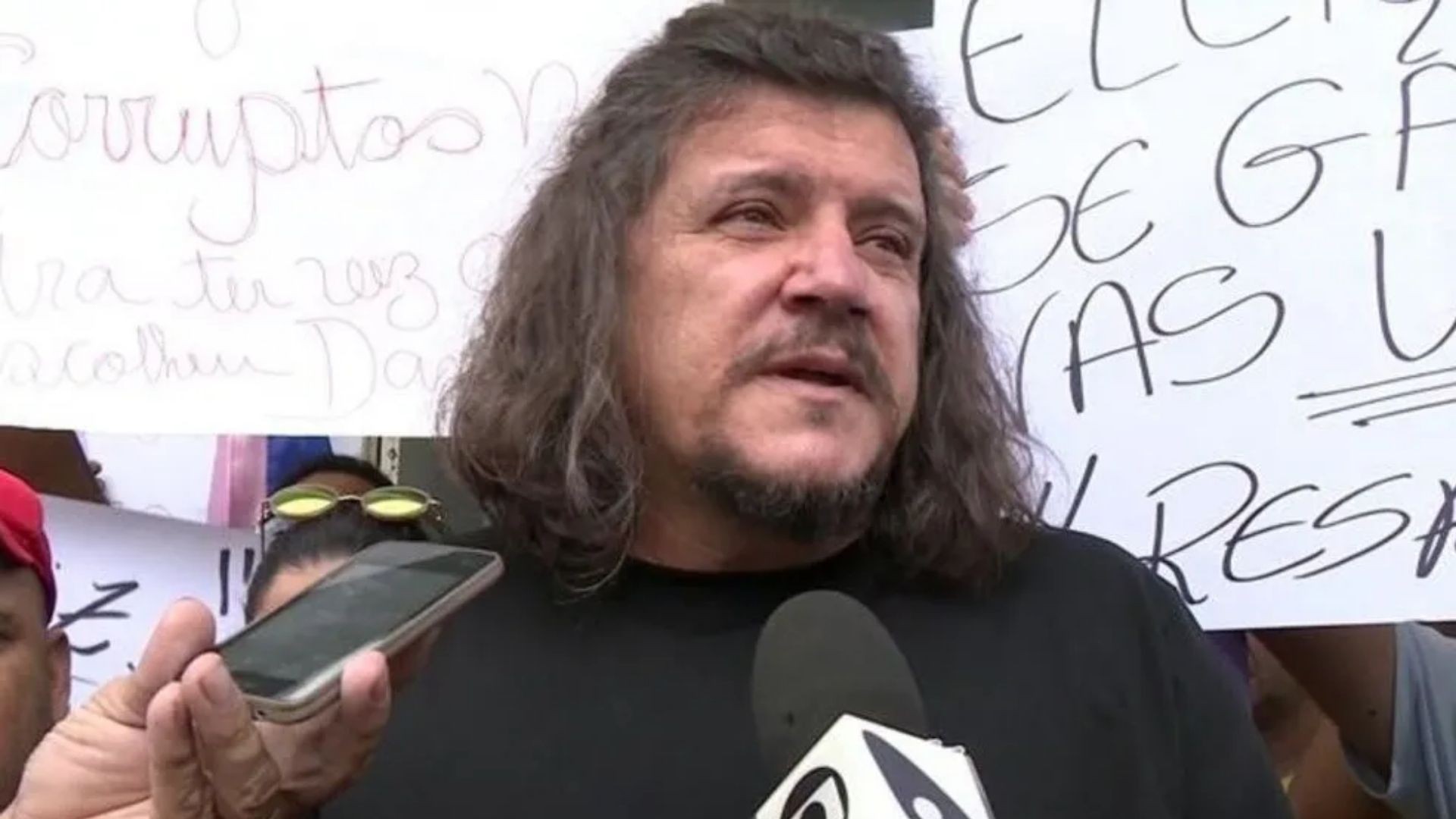
Daniel Santana Barbosa, the former mayor of São Mateus in Espírito Santo, Brazil, known as "Daniel do Açaí," faces accusations of administrative misconduct. The Public Prosecutor's Office of Espírito Santo filed a civil action in June, alleging his involvement in a multi-million dollar scheme involving the rental of water tanker trucks during his tenure. Also implicated are René Michel Kherlakian, former director of the municipal water and sewage service (SAAE), and businessmen Paulo Cezar Thompson Junior, Thiago Duarte Bezerra, and Cilmar Quartezani Faria. These businessmen are linked to Thompson e Duarte Engenharia Ltda and DNA Distribuidora de Água Ltda, companies allegedly involved in the scheme.
The alleged scheme centered on the rental of water tanker trucks for potable water transport in São Mateus. Over approximately one year, more than R$ 9.4 million were reportedly moved, split between SAAE and two companies, in violation of contract terms. Investigations revealed that Thompson e Duarte Engenharia, which won the bid to supply the trucks, was contractually limited to subcontracting 30% of the service. However, the company allegedly subcontracted 100% of the work to DNA Distribuidora de Água Ltda, owned by Cilmar Quartezani Faria. Between February 2024 and February 2025, SAAE made payments exceeding R$ 9.4 million to Thompson e Duarte, of which over R$ 7.4 million was transferred to DNA Distribuidora. Thompson e Duarte allegedly retained R$ 1.9 million as an intermediary, without providing any vehicles or personnel for the service.
Santana is accused of exerting political pressure on SAAE management to ensure payments continued despite irregularities. Kherlakian is alleged to have administratively facilitated the scheme by signing the contract and authorizing payments. The businessmen and their companies acted as intermediaries and executors, respectively, in the irregular subcontracting. The lawsuit also includes indications of money laundering and asset concealment, with evidence of contract alterations and the creation of new entities to shield assets. A judge denied the Public Prosecutor's request to freeze R$ 9.4 million in assets, deeming it unnecessary at this stage, but allowed the case to proceed. The former mayor's defense has denied the accusations, calling them unfounded.
This case highlights potential systemic vulnerabilities in municipal procurement and contract oversight. The allegations suggest that contractual limitations on subcontracting were bypassed, potentially creating an artificial intermediary that profited without delivering core services. This structure, if proven, may indicate a failure in the governance framework designed to ensure fair competition and efficient public spending. The alleged political pressure on administrative officials points to a risk of undue influence in public contracts, potentially diverting public funds from their intended purpose. Examining the incentive structures that allowed such a large portion of funds to be retained by an intermediary, and the mechanisms for detecting and preventing such circumvention, is crucial for strengthening public administration and preventing future financial improprieties. The court's decision to deny an immediate asset freeze, while allowing the case to proceed, reflects a procedural balance between safeguarding public funds and ensuring due process for the accused.
AI-generated to prompt reflection — not editorial opinion, not advice, not a statement of fact. How this works.