Former Mayor Moniruzzaman Appointed New Chairman of Khulna WASA
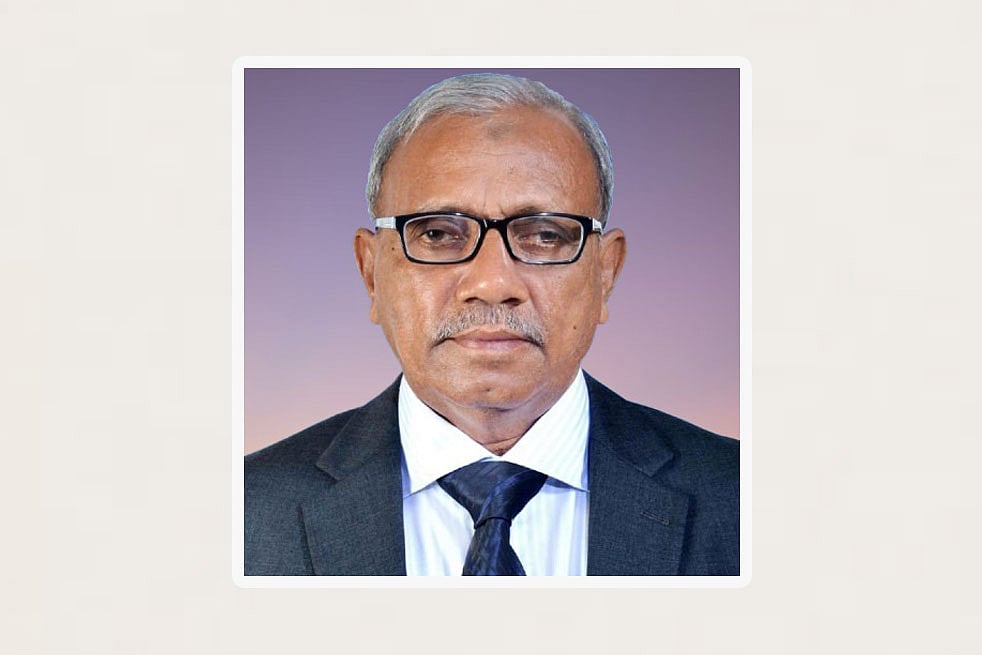
Mohammad Moniruzzaman has been appointed as the new Chairman of the Khulna Water Supply and Sewerage Authority (WASA). Moniruzzaman is a former Mayor of Khulna City Corporation and the former General Secretary of the Khulna City unit of the BNP. The appointment was confirmed through a notification issued on Monday by the Local Government Division (Water Supply-2 Branch) of the Ministry of Local Government, Rural Development, and Cooperatives. According to a gazette signed by Senior Assistant Secretary Mosha. Shakila Parveen, Moniruzzaman's appointment to the position of Khulna WASA Chairman is for a term of three years, in accordance with Section 7(1) of the Water Supply and Sewerage Authority (Amendment) Act, 2026. This order, issued in the public interest, will take effect immediately. A freedom fighter, Moniruzzaman resides on Haji Mohsin Road in Khulna. He was first elected as a ward councilor in 1994 and served as acting mayor four times. In the 2013 Khulna City Corporation elections, he defeated the Awami League candidate, Talukder Abdul Khaleque, by approximately 60,000 votes. Subsequently, in November 2013, a charge sheet was filed against Moniruzzaman in a case related to an attack on police and sabotage, leading to his temporary suspension by the ministry in November 2015. He resumed his duties after one year and eighteen days. In December 2021, the central BNP announced partial committee changes for Khulna Metropolitan and District BNP, removing Moniruzzaman from his position as General Secretary.
The appointment of a former mayor and political figure to lead a municipal utility like Khulna WASA highlights the intersection of political influence and public service delivery in the region. Such appointments can bring valuable local knowledge and political capital, potentially facilitating project approvals and resource allocation. However, it also raises questions about the prioritization of technical expertise and administrative experience over political affiliation in managing essential public infrastructure. The long-term implications will depend on the appointee's ability to navigate governance structures, ensure operational efficiency, and maintain public trust, independent of political pressures. Future governance models might benefit from a clearer separation of political appointments from operational management to enhance institutional resilience and service quality.
AI-generated to prompt reflection — not editorial opinion, not advice, not a statement of fact. How this works.