Former Minister Latif Siddique Arrested in Bangladesh Over 2013 Hefazat-e-Islam Violence Case
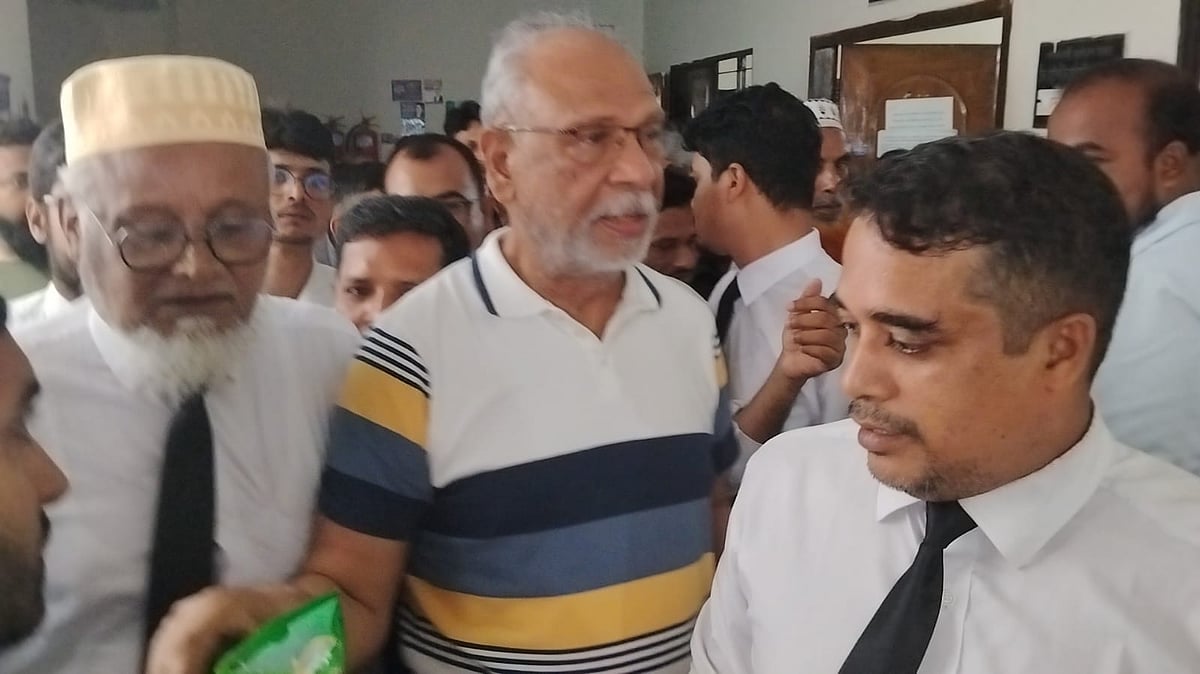
Former minister Abdul Latif Siddique has been arrested by the Dhaka Metropolitan Detective Police (DB) in connection with a case involving crimes against humanity. The arrest is related to the violence that occurred around the Hefazat-e-Islam rally at Shapla Square in Dhaka in 2013. Siddique was apprehended at his Gulshan residence on Wednesday evening at approximately 6 PM. The DB's Additional Commissioner, Md. Shofiqul Islam, confirmed the arrest, stating that it was executed based on an arrest warrant issued by the International Crimes Tribunal. Siddique had appeared in court earlier that day to surrender in the case. He had informed the court of his decision to surrender and had indicated he would seek bail at the International Crimes Tribunal the following Sunday or Monday if not arrested prior. Siddique, who was expelled from the Awami League, was previously arrested in August of the previous year following a student-led uprising, after which he was released on bail in a case under the Anti-Terrorism Act. He continues to attend court for that ongoing case. Regarding the Shapla Square incident, Siddique denied any involvement, stating he was a minister at the time but claimed no knowledge of the events. A freedom fighter, Latif Siddique was elected Member of Parliament five times and served as a minister in 2009. He resigned from his ministry and was expelled from the Awami League in 2014 due to controversial remarks about Hajj. He was elected as an independent Member of Parliament in the 2024 controversial elections, but his tenure ended when Parliament was dissolved after the Awami League lost power following a student uprising.
The arrest of former minister Abdul Latif Siddique highlights the ongoing legal repercussions stemming from the 2013 Shapla Square events. This development underscores the challenges in prosecuting politically sensitive cases, particularly when individuals hold or have held significant public office. The legal process, involving arrest warrants and court surrenders, suggests a complex interplay between political influence and judicial proceedings. As the case progresses, it will be crucial to observe how the judicial system navigates potential political considerations and ensures a fair trial, particularly given Siddique's past political roles and previous legal entanglements. The situation also raises questions about accountability for past events and the mechanisms for addressing historical grievances through the legal framework, especially in the context of Bangladesh's evolving political landscape.
AI-generated to prompt reflection — not editorial opinion, not advice, not a statement of fact. How this works.