Former Minister Latif Siddiqui Arrested in Shapla Chattar Case, Sent to Jail
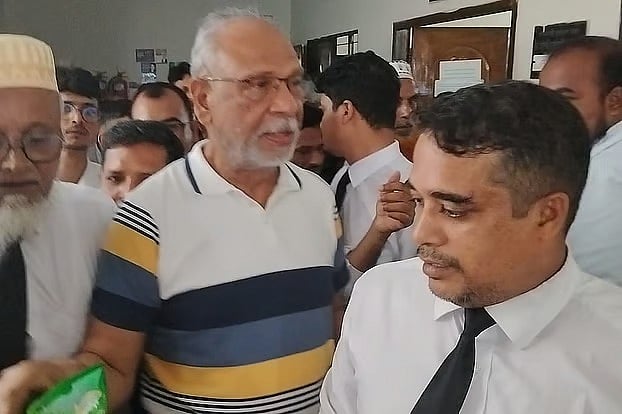
The International Crimes Tribunal has ordered the arrest and imprisonment of former minister Abdul Latif Siddiqui. This action stems from a case related to crimes against humanity during the Hefazat-e-Islam rally at Shapla Chattar. The tribunal's decision mandates that Siddiqui be presented as arrested and subsequently sent to jail. The charges are directly linked to the events that transpired during the Hefazat-e-Islam demonstration. This legal proceeding marks a significant development in the ongoing investigation into the Shapla Chattar incident. The court's order reflects the seriousness with which these allegations are being treated. Abdul Latif Siddiqui, a former minister, now faces judicial custody as a result of this ruling.
The arrest of former minister Abdul Latif Siddiqui in connection with the Shapla Chattar incident and a human rights violation case highlights the ongoing legal scrutiny of past political events. This action underscores the principle that individuals, regardless of their former positions, may be held accountable for alleged offenses. The tribunal's decision to remand Siddiqui into custody signifies the judicial process moving forward. Such legal proceedings can influence public perception of accountability and the rule of law. Future developments will likely depend on the evidence presented and the legal arguments made by both the prosecution and the defense, shaping the narrative around this historical event and its implications for governance and justice.
AI-generated to prompt reflection — not editorial opinion, not advice, not a statement of fact. How this works.