Former MPR Secretary-General Allegedly Demanded Rp30 Billion in 'Greeting Money'
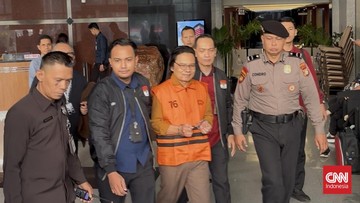
Ma'ruf Cahyono, the former Secretary-General of the People's Consultative Assembly (MPR), is reportedly suspected of demanding a 10 percent fee from potential contractors. This fee was allegedly referred to as 'uang hangus' or 'uang assalamualaikum,' which translates to 'burnt money' or 'greeting money.' The total amount allegedly requested by Cahyono is estimated to be Rp30 billion. This practice suggests a potential scheme involving illicit payments tied to the awarding of project contracts within the MPR. The investigation into these allegations will likely focus on the financial transactions and decision-making processes involved in the procurement of services and goods during Cahyono's tenure. The term 'greeting money' implies a form of bribe or facilitation payment disguised as a customary or informal exchange. The substantial sum of Rp30 billion indicates a significant scale of alleged corruption if proven true. Further details regarding the specific projects and the timeline of these demands are expected to emerge as the investigation progresses.
The allegations against Ma'ruf Cahyono suggest a potential systemic issue within public procurement processes, where informal or customary payments may be exploited for personal gain. The framing of the alleged bribe as 'greeting money' or 'burnt money' highlights a common tactic to obscure illicit financial flows. This situation underscores the importance of robust oversight mechanisms and transparent bidding procedures in government institutions to prevent the erosion of public trust and the misallocation of taxpayer funds. In the context of increasing digitalization and the push for greater accountability, such practices, if proven, represent a significant governance challenge. Future reforms should focus on strengthening internal controls, enhancing whistleblower protections, and ensuring that all financial dealings are conducted with unimpeachable integrity, thereby mitigating the risk of corruption and fostering a more equitable distribution of resources.
AI-generated to prompt reflection — not editorial opinion, not advice, not a statement of fact. How this works.