Former NATO Ambassador: Summit Showed Alliance in Poor State, But Not Hopeless
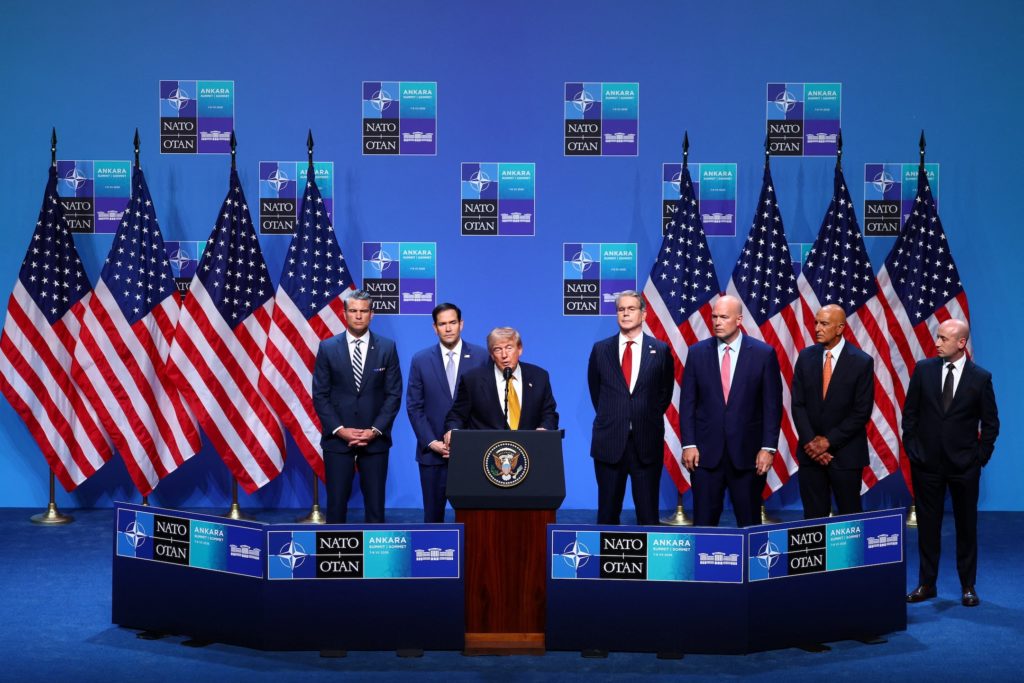
Ivo Daalder, former U.S. ambassador to NATO and current senior fellow at Harvard University's Belfer Center, discussed recent developments concerning Iran and the NATO summit. Speaking with Geoff Bennett, Daalder characterized the state of NATO following the summit as "not in a great state." However, he suggested that the situation could potentially be worse, implying a degree of resilience or opportunity for improvement within the alliance. His remarks provided a candid assessment of NATO's current standing, touching upon both its challenges and the possibility of overcoming them. The conversation aimed to provide insight into the geopolitical implications of the summit and the ongoing situation in Iran.
The former ambassador's assessment highlights potential systemic vulnerabilities within NATO, suggesting that internal cohesion and strategic clarity may be lagging. While acknowledging the alliance is "not in a great state," the framing implies that external pressures or internal policy adjustments could mitigate these weaknesses. Future geopolitical stability may depend on NATO's ability to adapt its governance structures and strategic objectives to evolving global dynamics, particularly in light of emerging international challenges. The analysis should consider how the alliance's historical performance and current incentive structures position it to address future threats and maintain relevance in a multipolar world.
AI-generated to prompt reflection — not editorial opinion, not advice, not a statement of fact. How this works.