Former Olympic Marathoner Daniel Nascimento Missing for Over a Month
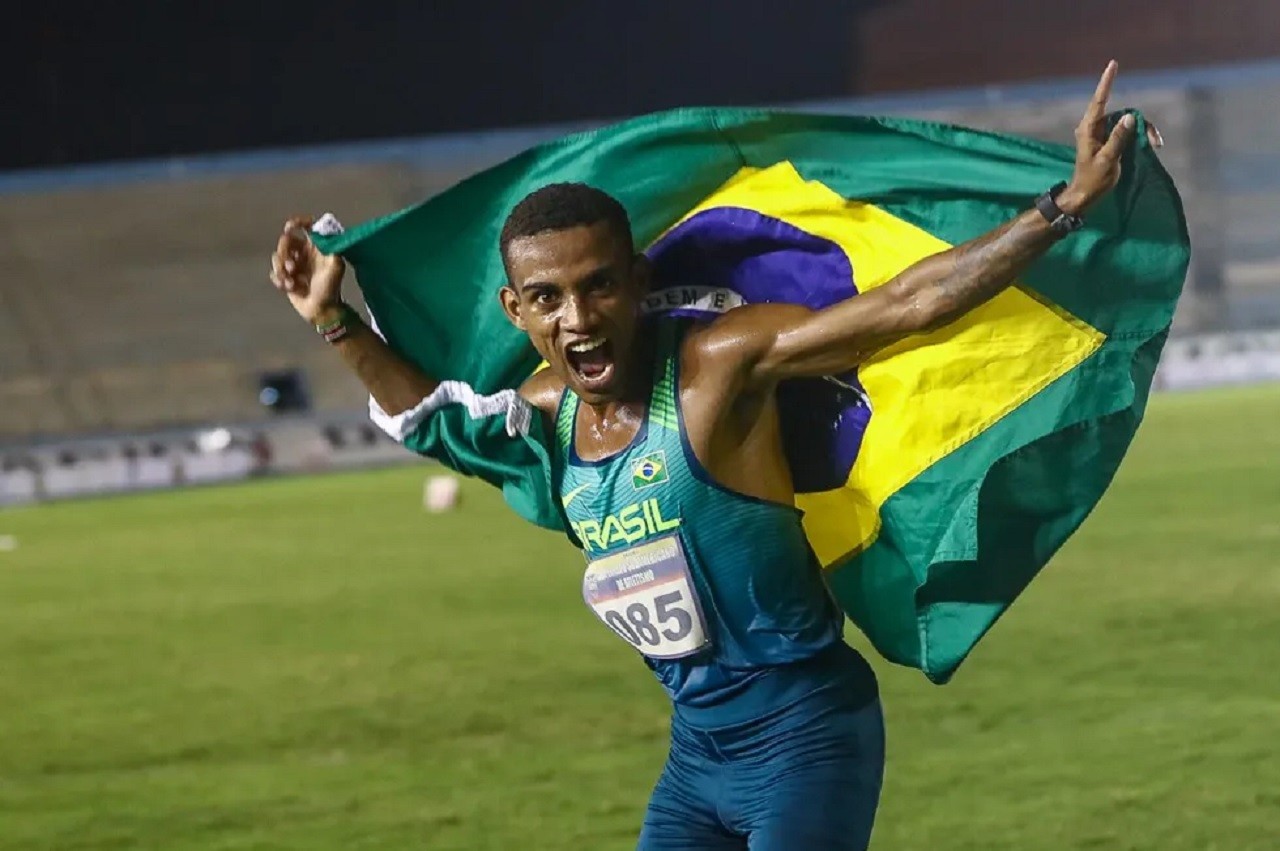
Brazilian Olympic marathoner Daniel Nascimento has been missing since June 19th, over a month after his family filed a missing person report. Nascimento, also known as Danielzinho, was suspended from athletic competitions for five years due to a doping violation confirmed by the Athletics Integrity Unit (AIU) in May 2025, with his ban valid until July 2029. Following his suspension, he returned to live with his mother, Valdirene de Paula Ferreira, in Paraguaçu Paulista, São Paulo, and began assisting her with agricultural work, primarily processing cassava. His mother described him as a good boy who sometimes ran in secret near sugarcane fields. Daniel, who turns 28 on July 28th, reportedly struggled with mental health issues after his athletic career was interrupted and resisted treatment. He left his mother's home on June 19th with only a black backpack, telling his mother he might travel to Rio de Janeiro or São Paulo. There have been unconfirmed reports of him being seen walking along a highway between Paraguaçu Paulista and Assis. Nascimento represented Brazil in the 2021 Tokyo Olympics and previously held the Brazilian and South American marathon records, set in April 2022 with a time of 2:04:51 at the Seoul Marathon. His family is distressed by his disappearance and urges anyone with information to contact the Civil Police at 197 or Military Police at 190.
The disappearance of Daniel Nascimento, a former Olympic marathoner facing a significant doping suspension, highlights the profound psychological impact of career disruption and public scrutiny on elite athletes. His reported struggles with mental health and resistance to treatment suggest a critical need for robust support systems within sports organizations that extend beyond performance and anti-doping measures. The incident underscores the systemic challenge of addressing athlete well-being, particularly when transitioning out of a highly structured and demanding professional life. Future frameworks should integrate comprehensive mental health care and career transition planning to mitigate such crises, ensuring athletes have pathways to stability and support regardless of their competitive status or adherence to regulations.
AI-generated to prompt reflection — not editorial opinion, not advice, not a statement of fact. How this works.