Former Osaka District Public Prosecutors Office Chief on "Don't Mess With Prosecutors"
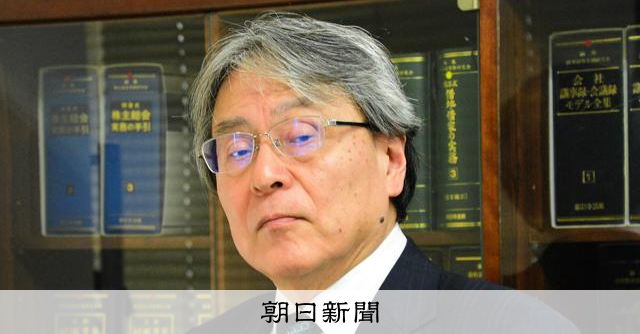
A former chief of the Special Investigations Department at the Osaka District Public Prosecutors Office has expressed his views on the prosecution's role, suggesting that a sense of justice is not necessarily required. This perspective comes from his experience leading investigations within the Japanese judicial system. The statement, "Don't mess with prosecutors," implies a strong assertion of authority and the importance of respecting the investigative powers of the prosecution. He appears to be reflecting on the public perception and internal workings of the prosecutor's office. His comments may be interpreted as a defense of prosecutorial discretion or a critique of external interference. The context suggests a discussion about the balance of power between the prosecution and other branches of government or the public. The former chief's remarks are likely to spark debate regarding the ethical considerations and public accountability of prosecutors in Japan. His tenure at the Osaka District Public Prosecutors Office, a prominent investigative body, lends weight to his observations.
This commentary from a former senior prosecutor offers a provocative perspective on the role of justice within the prosecution. The assertion that a "sense of justice" is not required, framed by the phrase "Don't mess with prosecutors," could be interpreted as a pragmatic acknowledgment of the legalistic and procedural demands placed upon prosecutors. It might highlight a potential tension between the ideal of pursuing justice and the reality of navigating complex legal frameworks and institutional mandates. This viewpoint invites consideration of whether prosecutorial effectiveness is best served by strict adherence to legal process, or if an active pursuit of a broader sense of justice is essential for public trust and legitimacy. The statement prompts reflection on the incentives and pressures faced by prosecutors, and how these might shape their approach to their duties, particularly in high-profile cases.
AI-generated to prompt reflection — not editorial opinion, not advice, not a statement of fact. How this works.