Former Pakistani Minister Javed Hashmi and Sons-in-Law Charged with Electricity Theft
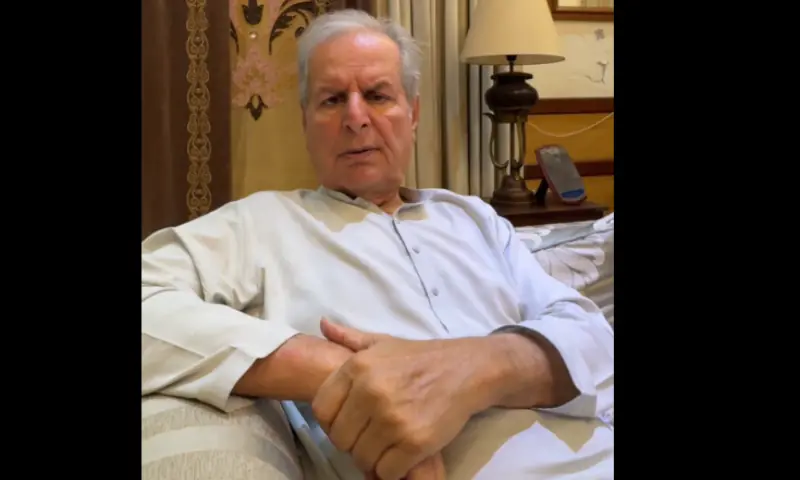
Veteran Pakistani politician Javed Hashmi and his three sons-in-law have been formally charged in four separate cases for alleged electricity theft. The First Information Reports (FIRs) were filed on July 17 at the Makhdoom Rasheed Police Station in Multan, under Section 462J of the Pakistan Penal Code, which pertains to tampering with electric meters. The cases were initiated based on complaints from Mohammad Bilal, the Sub-Divisional Officer for Multan Electric Power Company Limited (Mepco). According to the FIRs, Mepco teams discovered that the individuals were allegedly stealing electricity by bypassing the terminal connections of their registered power meters. The specific electricity meters involved have been confiscated by Mepco. The alleged financial losses to Mepco are substantial, with the FIR against Hashmi citing Rs249,100, Shahid Bahar Rs248,400, Zahid Rs245,600, and Shahzeb Rs247,600. As of Saturday, Hashmi's grandson confirmed that no family members had been arrested. Hashmi himself acknowledged the charges in a social media post, referring to them as "allegations" and stating his willingness to be arrested without seeking bail, asserting he would not hide or flee.
The registration of cases against former politician Javed Hashmi and his relatives for alleged electricity theft highlights potential governance challenges within utility service provision and enforcement. The substantial financial figures cited suggest a systematic approach to alleged theft, raising questions about oversight mechanisms. Hashmi's public statement, expressing defiance and willingness to face arrest, frames the situation as a political challenge rather than solely a legal matter. This dynamic underscores the interplay between public office, personal accountability, and the perception of selective enforcement. Moving forward, the focus will likely be on the legal proceedings, the evidence presented by Mepco, and any potential political ramifications for Hashmi and his associates, particularly in the context of Pakistan's ongoing political landscape.
AI-generated to prompt reflection — not editorial opinion, not advice, not a statement of fact. How this works.