Former PM Jhalanath Khanal Urges Leftist Unity, Warns Against 'Unholy Alliances'
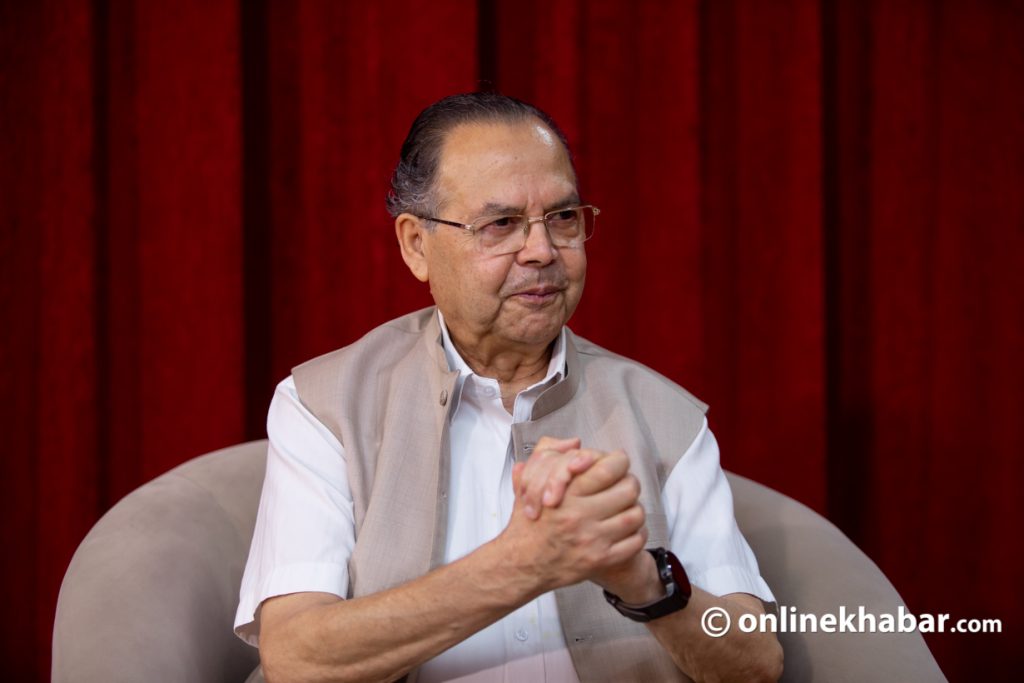
Senior leader of the Communist Party of Nepal (CPN) and former Prime Minister Jhalanath Khanal has cautioned party ranks against engaging in 'unholy alliances' with right-wing forces, driven by personal ambition or self-satisfaction. Khanal expressed concern that the current government, led by newly elected Prime Minister Balen Shah, is not meeting public expectations. He emphasized the critical need for all leftist forces to unite during this complex period. Khanal made these remarks on Sunday, advocating for a meeting to discuss potential collaborations before any decisions are made. He stressed that such alliances should not be pursued for the sake of power or personal gain. The former Prime Minister believes that consolidating leftist power is essential to address the nation's challenges effectively. He called for a strategic approach to ensure the principles of leftist ideology are upheld. The statement highlights a potential internal debate within the CPN regarding political partnerships.
The call for leftist unity by former Prime Minister Jhalanath Khanal highlights a recurring theme in political discourse: the tension between ideological solidarity and pragmatic coalition-building. Khanal's warning against 'unholy alliances' suggests a concern that short-term political expediency might compromise long-term leftist principles. This perspective prompts consideration of the incentive structures that drive political actors towards or away from specific alliances. In the context of Nepal's evolving political landscape, such calls for unity can be viewed as an attempt to consolidate power and influence against perceived right-wing gains or governmental underperformance. The emphasis on avoiding 'chair-seeking' and 'self-satisfaction' points to the inherent challenge of balancing individual ambition with collective party goals. The next decade, marked by increasing geopolitical complexities and the potential for technological disruption, will likely test the adaptability and strategic foresight of all political factions, including those advocating for ideological purity versus those prioritizing broad-based governance.
AI-generated to prompt reflection — not editorial opinion, not advice, not a statement of fact. How this works.