Former President Shahabuddin's Immunity Questioned After Leaving Office
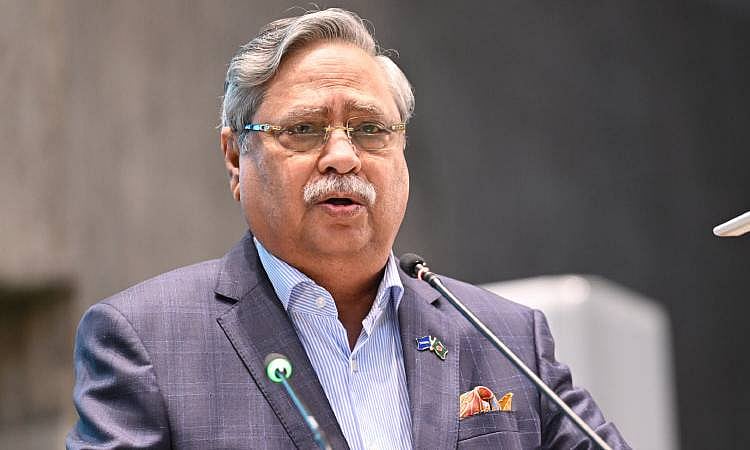
Legal experts in Afghanistan are discussing the extent of immunity granted to the President. They state that the constitutional protection afforded to the President is specifically for the duration of their term in office. Once a president leaves their position, whether through removal or resignation, this protection is no longer applicable. This clarification comes amid discussions surrounding the post-presidency status of former President Shahabuddin. The experts emphasize that the legal framework does not extend immunity indefinitely. Therefore, actions or decisions made during their tenure may be subject to scrutiny after they have relinquished the presidential powers. This interpretation of constitutional law highlights the temporary nature of presidential immunity.
The legal principle of presidential immunity is designed to allow leaders to govern without fear of politically motivated prosecution during their term. However, the expiration of this immunity upon leaving office is a critical check on power. This raises questions about accountability for decisions made while in office and the potential for retrospective legal challenges. The transition from protected executive to private citizen necessitates a clear framework for addressing past actions, balancing the need for stable governance with the public's right to justice and transparency. Future governance models may need to consider more robust mechanisms for oversight that operate both during and after a presidential term.
AI-generated to prompt reflection — not editorial opinion, not advice, not a statement of fact. How this works.