Former Presidents Hamid and Shahabuddin Face Allegations at International Crimes Tribunal
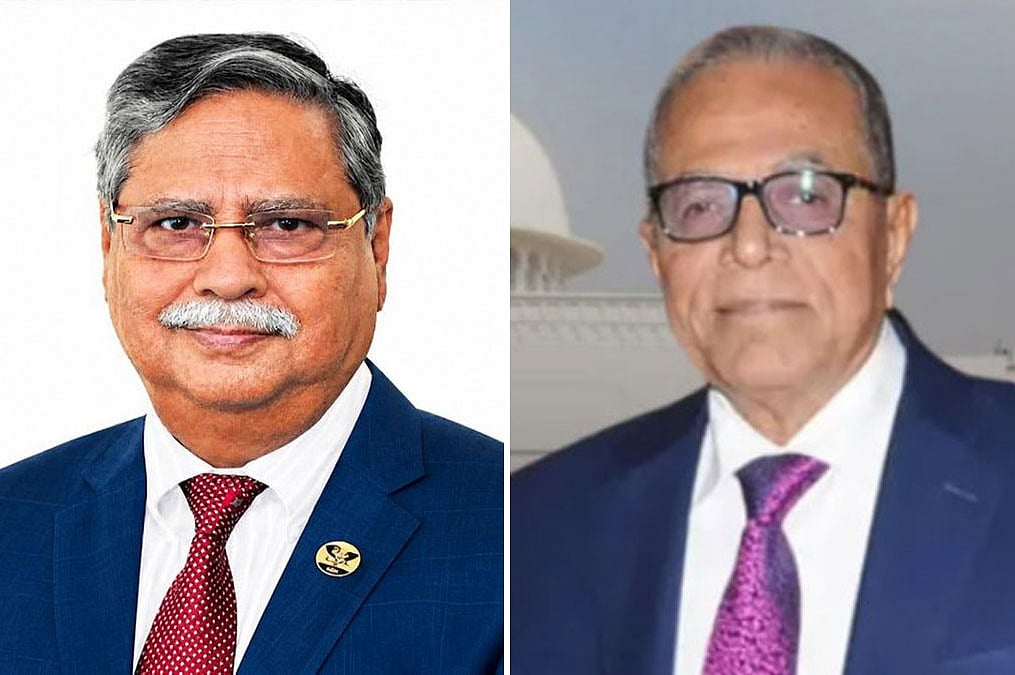
Two organizations, Bangladesh Azadi Party and Rashtrasanglap Forum, have filed separate complaints with the Chief Prosecutor's office of the International Crimes Tribunal against former Presidents Mohammed Shahabuddin and Mohammed Abdul Hamid. The Azadi Party's complaint, submitted on Sunday, accuses both former presidents of complicity in alleged killings and enforced disappearances occurring up to August 5th, stating their silence implied consent. The party's convener, Lieutenant Colonel (Retd.) Mohammed Hasinur Rahman, asserted that both individuals, as heads of state during various alleged atrocities including the Pilkhana killings, Shapla genocide, judicial killings, and disappearances, supported a fascist government and benefited from their positions without protest. Rashtrasanglap Forum's complaint specifically targets former President Mohammed Shahabuddin, alleging his involvement in the abduction of their central member-secretary, Al Noor Mohammed Ayas, on January 18th of last year. Ayas was reportedly taken from Mohakhali bus stand while en route to Mymensingh, after leading a protest demanding Shahabuddin's resignation, and was later abandoned in Banglamotor on January 19th. The complaint also identifies Shahabuddin as a close associate of Prime Minister Sheikh Hasina and seeks an investigation into his alleged role in ordering the shooting, torture, killings, and disappearances of participants in the July student uprising. Furthermore, Rashtrasanglap Forum demands an independent inquiry into Shahabuddin's legal responsibility or involvement in the 2024 national elections, human rights violations, and events related to the recent popular uprising. Chief Prosecutor Mohammed Aminul Islam declined to comment on the allegations when questioned by reporters.
These complaints introduce a new dimension to accountability discussions by targeting former heads of state for alleged complicity in past and recent events. The allegations, framed around silence, support for government actions, and direct involvement in specific incidents, highlight the complex interplay between executive power and human rights. Examining these claims requires a careful distinction between political responsibility and legal culpability under international criminal law. The timing of these complaints, following the end of presidential terms, may reflect shifting political dynamics and a desire to hold past administrations accountable for systemic issues. Future governance models may need to address mechanisms for ensuring accountability for all actors, regardless of their previous positions, while upholding due process and robust legal standards to prevent politically motivated accusations.
AI-generated to prompt reflection — not editorial opinion, not advice, not a statement of fact. How this works.