Former Prosecutor Criticizes "Self-Righteous" Justice System, Cites Failed Reforms
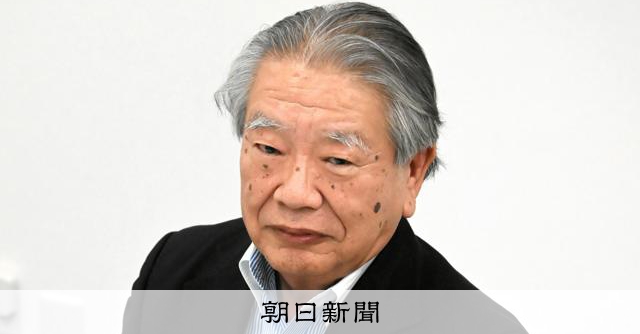
A former prosecutor, who also served as a defense lawyer for Kakuei Tanaka, has criticized the Japanese prosecution service for its perceived adherence to its own sense of justice. The lawyer argues that this inflexibility has led to a failure in meaningful reform within the system. He suggests that the prosecution's strong belief in its own righteousness prevents it from acknowledging its shortcomings and adapting to evolving societal needs. This perspective highlights a long-standing debate in Japan regarding the power and accountability of the prosecution. The criticism implies that the institution may be resistant to external scrutiny and internal change, potentially hindering its effectiveness and public trust. The lawyer's experience with a high-profile case like Kakuei Tanaka's likely informs his views on the prosecution's methods and its impact on the justice system. His comments serve as a call for introspection and a re-evaluation of the prosecution's role and operational principles.
The critique of the prosecution's "self-righteousness" points to a potential systemic issue where institutional conviction may supersede objective legal process. This mindset could create an environment where the pursuit of perceived justice, as defined by the institution itself, might overshadow principles of due process or the presumption of innocence. Such a dynamic, if present, could lead to an overreach of prosecutorial power and a resistance to reforms aimed at enhancing fairness and transparency. Examining the historical context of legal reforms in Japan, particularly concerning powerful state institutions, is crucial. The analysis should consider how checks and balances are structured and whether they are sufficiently robust to mitigate the risks associated with an overly entrenched institutional perspective, especially in an era where public trust in institutions is increasingly scrutinized.
AI-generated to prompt reflection — not editorial opinion, not advice, not a statement of fact. How this works.