Former Public Servant Transforms Artisanal Cheese Sales in Alagoa, Minas Gerais
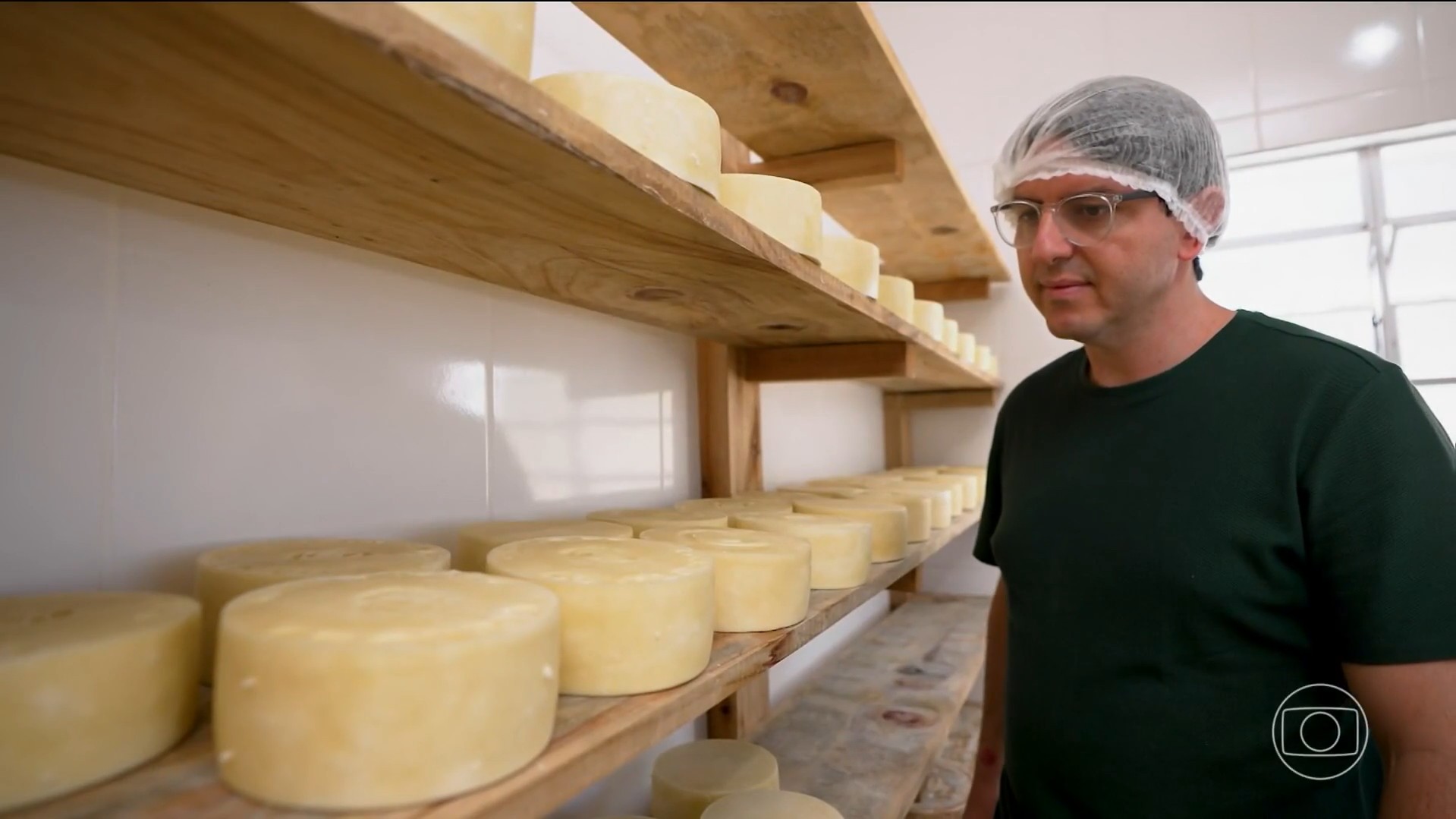
Osvaldo Filho, known locally as Osvaldinho, a former public servant from Alagoa, a small town in southern Minas Gerais, has revolutionized the artisanal cheese market. Located over 1,100 meters high in the Serra da Mantiqueira, Alagoa is now a national reference for artisanal cheese production, blending tradition, terroir, and entrepreneurship. Osvaldinho was motivated to act by the financial difficulties local producers faced, particularly payment delays through checks. He conceived an innovative idea for the time: selling artisanal cheese online. The venture began modestly, featuring just three cheese wheels from a single producer. Today, the business handles approximately three tons of cheese monthly, connecting consumers across various Brazilian states with Alagoa's producers. Since 2025, Osvaldinho has also begun producing his own cheese while maintaining partnerships with eight local producers. One such producer, Sô Márcio, has significantly increased his output to around 100 kilograms daily. The region boasts 138 artisanal producers collectively making about 90 tons of cheese per month, significantly boosting the local economy and international recognition. Alagoa's cheeses have garnered international awards, with producers participating in a French festival in 2017. Osvaldinho likens his modern approach to the historical 'tropeiros' (muleteers) of Minas Gerais, calling himself a 'digital tropeiro.' The next ambitious goal is to export Alagoa's cheeses to Europe.
This narrative highlights how an individual identified systemic inefficiencies in local commerce and leveraged digital channels to create a scalable business model. The success in Alagoa demonstrates the potential for rural economies to achieve national and international reach by modernizing traditional production methods and distribution networks. The story underscores the importance of adapting to technological advancements and consumer behavior shifts, transforming regional specialties into globally competitive products. Future growth may depend on navigating complex international trade regulations, maintaining quality control across an expanding producer base, and managing the brand's artisanal identity amidst increasing scale.
AI-generated to prompt reflection — not editorial opinion, not advice, not a statement of fact. How this works.