Former Rio de Janeiro Police Chief Under Investigation by Civil Police
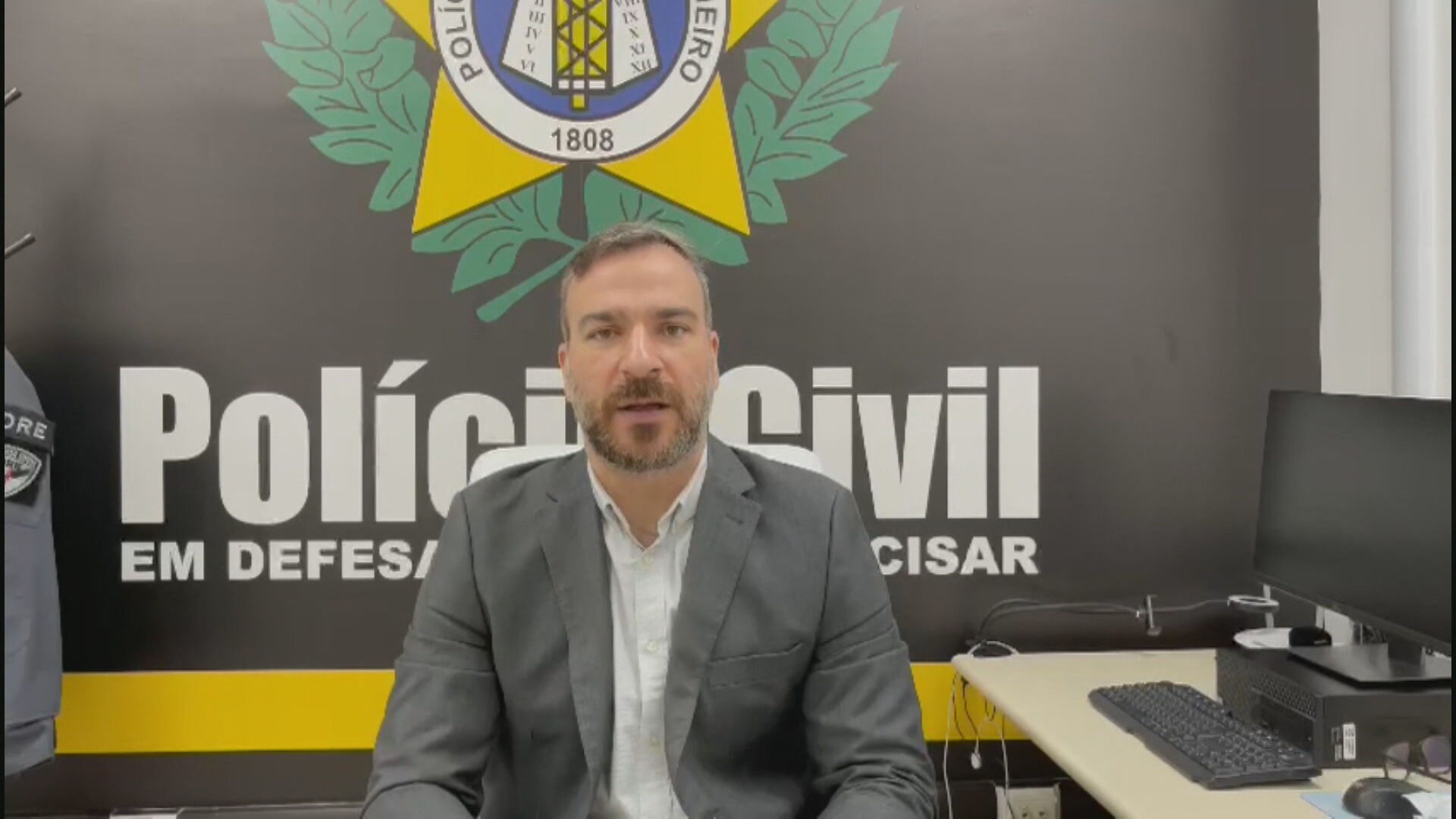
The Civil Police's internal affairs division has launched a disciplinary investigation into former Secretary of Civil Police and delegate Marcus Vinícius Amim. Amim was a target in the 6th phase of the Federal Police's Operation Unha e Carne, which is investigating alleged links between public officials and criminal groups operating in Rio de Janeiro. Amim served as head of the Civil Police from October 2023 to August 2024, a position he assumed after a law change allowing delegates with less than 15 years of service to lead the secretariat. The operation also targets Márcio Canella, former mayor of Belford Roxo and a pre-candidate for the Senate, and Juracy Alves Prudêncio, a former military police officer and militia leader. The Federal Police are investigating a network of gas stations in the Greater Rio area that allegedly moved R$7.6 billion through a money laundering scheme, with the alleged complicity of politicians. The investigation began with a report from the Council for Financial Activities Control (Coaf), which flagged the significant financial activity over six years. The Federal Police stated that those investigated could face charges including criminal organization, illegal direct contracting, and money laundering. The operation has expanded to include searches and seizures in several municipalities and the freezing of assets. Previous phases of Operation Unha e Carne, which began in December 2025, have targeted individuals such as former State Assembly President Rodrigo Bacellar and federal judge Macário Ramos Júdice Neto, investigating alleged leaks of confidential police information to criminal factions.
This operation highlights systemic vulnerabilities in public sector oversight and financial regulation within Rio de Janeiro. The scale of alleged money laundering, involving billions of reais through gas stations, suggests deeply entrenched networks that may benefit from regulatory gaps and political influence. The involvement of high-ranking former officials and current political candidates raises critical questions about accountability mechanisms and the effectiveness of internal controls designed to prevent corruption and criminal infiltration. Future efforts should focus on strengthening inter-agency cooperation, enhancing transparency in financial transactions, and ensuring robust independent oversight to mitigate the risks of illicit activities and maintain public trust in law enforcement and governance.
AI-generated to prompt reflection — not editorial opinion, not advice, not a statement of fact. How this works.