Former Secretary and Eight Others Face Charges for Alleged Illegal Animal Euthanasia in RS
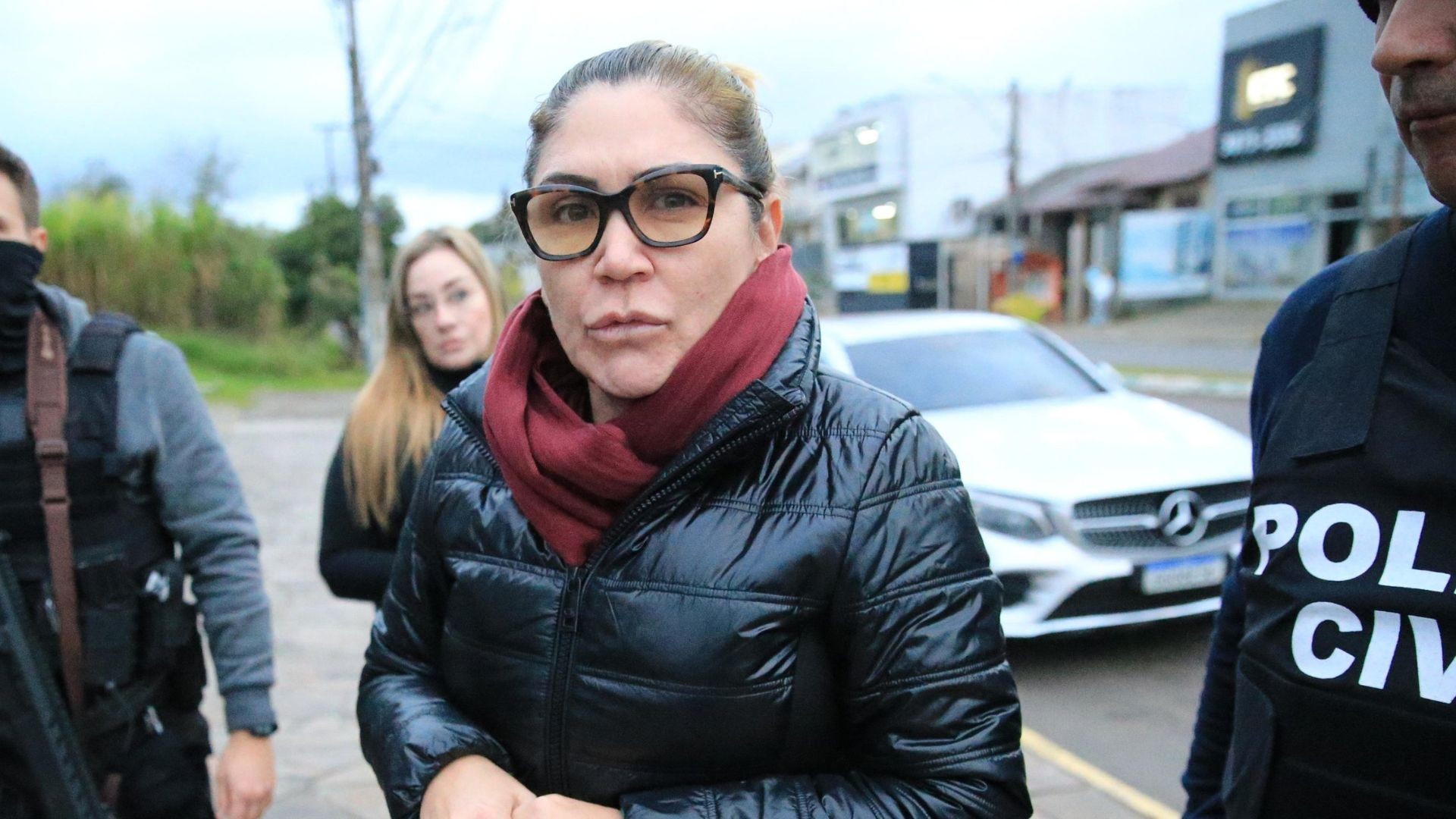
Nine individuals, including a former municipal secretary, a veterinarian, and a police officer, have been formally charged by the Rio Grande do Sul Justice system in connection with the alleged illegal euthanasia of domestic animals and related animal cruelty offenses. The primary defendant, Paula Lopes, former Secretary of Animal Welfare in Canoas, is accused of using her authority to order animal euthanasia without proper laboratory justification for underlying health conditions. The regional environmental court judge upheld Lopes' pre-trial detention, denying her release request.
Also indicted are Lopes' husband, Marcelo Vieira, for criminal association, and veterinarian Tainara Harth, for animal cruelty and criminal association. Civil police officer Mari da Cunha Menezes faces charges of functional secrecy violation for allegedly accessing confidential data for Lopes and assisting in the removal of animals using falsified reports. An association founded by Lopes is also implicated in alleged animal cruelty incidents, with accusations that funds collected for supposed animal treatments were diverted to Lopes and her husband. The Public Prosecutor's Office is seeking penalties including the prohibition of animal ownership, forfeiture of assets, and loss of public office, citing the 'despicable and intensely cruel' nature of the acts, which caused suffering to both animals and their owners, particularly in the context of the May 2024 floods. The prosecutor noted that no plea deal is possible due to the violence involved in the alleged crimes.
This case highlights potential systemic failures in animal welfare oversight and the accountability mechanisms within municipal governance. The allegations suggest a possible exploitation of public trust and resources for fraudulent gain, impacting both animal welfare and public perception. Moving forward, robust internal controls, transparent financial reporting for animal welfare initiatives, and clear protocols for veterinary procedures are crucial. Establishing independent oversight bodies and ensuring thorough, impartial investigations can help prevent future abuses and rebuild public confidence in animal protection services. The legal proceedings will be critical in determining the extent of individual culpability and the necessary reforms to safeguard animal welfare and prevent the misuse of public authority.
AI-generated to prompt reflection — not editorial opinion, not advice, not a statement of fact. How this works.