Former Socceroos Captain Paul Wade Diagnosed with Probable CTE
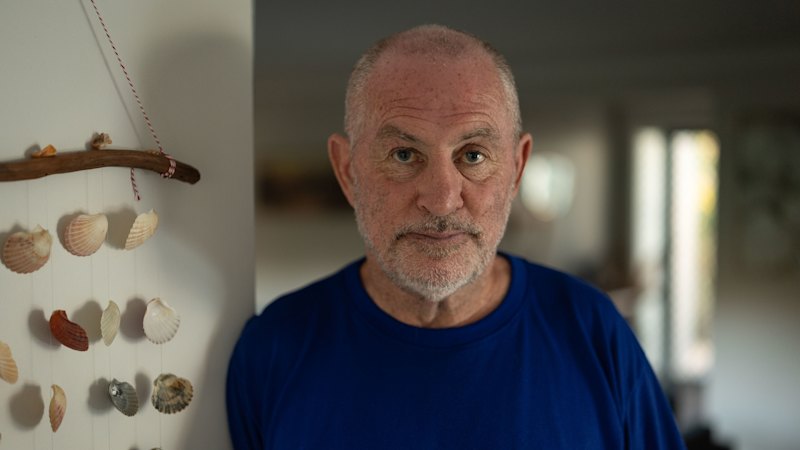
Paul Wade, a highly decorated former captain of the Australian national football team (Socceroos) and one of the country's most capped players, has been diagnosed with probable Chronic Traumatic Encephalopathy (CTE). Doctors suspect this neurodegenerative disease is a direct result of the thousands of headers he performed during his extensive career. The diagnosis highlights the potential long-term health consequences associated with repetitive head impacts in professional football. Wade's condition underscores a growing concern within the sport regarding player safety and the cumulative effects of heading the ball. The revelation brings to light the hidden costs that athletes may face long after their playing days have concluded. This diagnosis serves as a stark reminder of the physical toll professional sports can take on its participants.
The diagnosis of probable CTE in Paul Wade, a prominent figure in Australian football, brings renewed attention to the cumulative impact of repetitive head trauma in contact sports. This situation prompts an examination of the sport's long-standing practices, particularly the prevalence of heading, and their potential neurodegenerative consequences. Future considerations for football organizations may involve exploring advanced protective equipment, refining training techniques to minimize head impacts, and implementing more rigorous long-term health monitoring for former players. Understanding the dose-response relationship between heading frequency and CTE risk is crucial for developing evidence-based protocols that prioritize player well-being and mitigate future health crises within the sport.
AI-generated to prompt reflection — not editorial opinion, not advice, not a statement of fact. How this works.