Former Spanish PM Mariano Rajoy faces backlash for racist comments about French soccer team
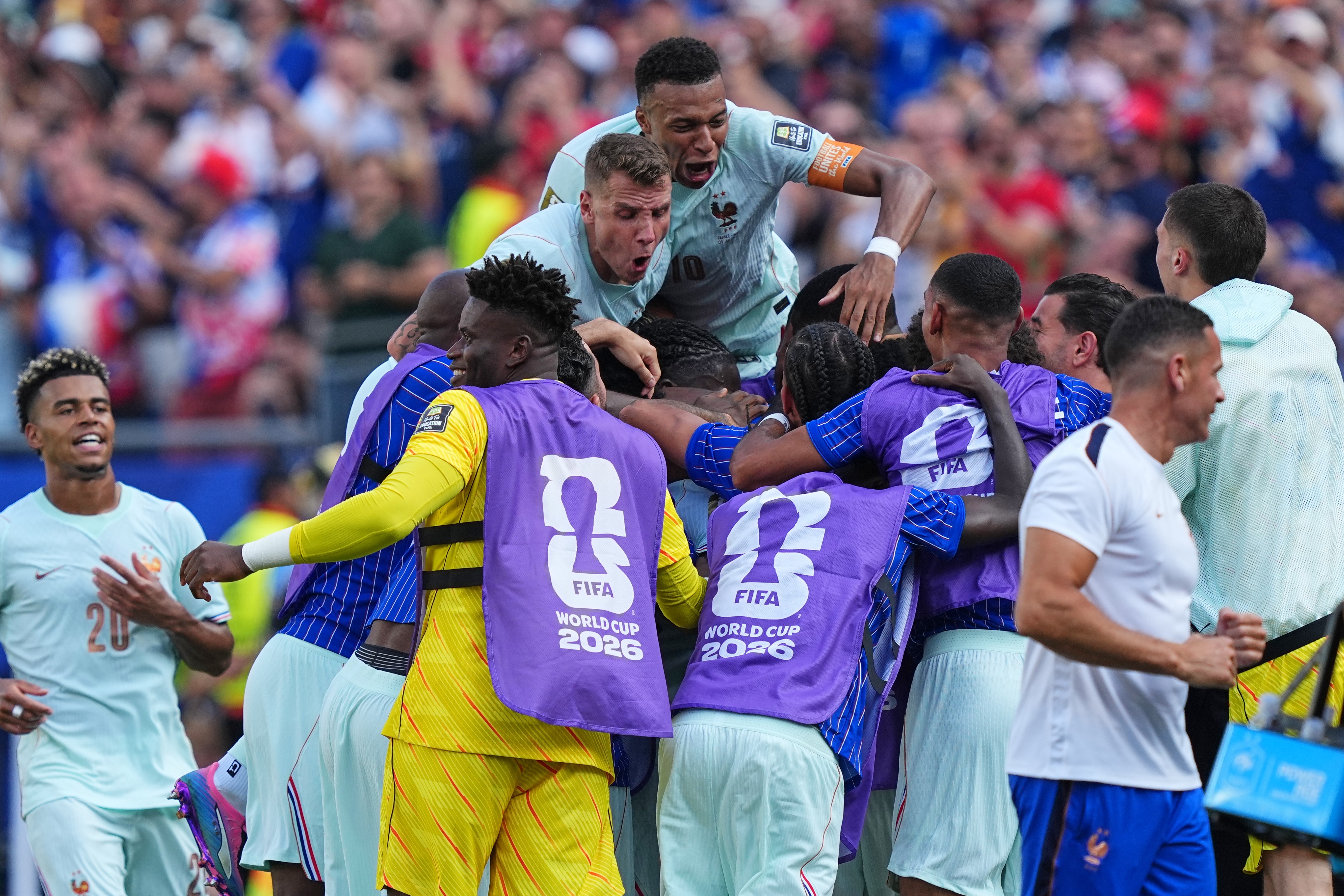
The French national soccer team has once again been subjected to racist insults, this time from former Spanish Prime Minister Mariano Rajoy. In an opinion piece for the newspaper 'El Debate,' Rajoy commented that the team plays at a high level but 'without Frenchmen.' Rajoy, who governed Spain from 2011 to 2018 as a member of the right-wing People's Party (PP), made these remarks ahead of the 2026 World Cup semifinal match between Spain and France. His statement drew strong reactions within the Spanish government, with Transport Minister Óscar Puente sharing the article and labeling the former politician an 'ignorant.' The French Embassy in Madrid also responded, clarifying on social media platform X that all players on the French team are French, with 23 of the 26 players born in France and the other three also holding French nationality. A 'g1' analysis indicates that twenty of the French players are children of immigrants, contrasting with Spain's two players of non-European immigrant descent, including star player Lamine Yamal. This diversity reflects global migration trends towards Europe, even as many EU countries are tightening immigration rules amid rising anti-immigration sentiment championed by the far-right. This incident follows previous racist attacks against the French team, including remarks by Paraguayan senator Celeste Amarilla targeting Kylian Mbappé after Paraguay's elimination from the World Cup. Mbappé responded on social media, accusing the politician of presenting the worst possible image of Paraguay. French authorities have launched an investigation into Amarilla's racist statements, while Paraguay reportedly lacks specific legislation for racial discrimination cases.
The controversy surrounding Mariano Rajoy's comments highlights the persistent tension between national identity and the multicultural reality of modern elite sports teams, particularly in Europe. While Rajoy's remarks may reflect a nationalist viewpoint, they overlook the complex integration processes and the evolving definition of national belonging in diverse societies. The French team's composition, a product of historical migration patterns and globalized talent, challenges simplistic notions of nationality. This situation underscores a broader societal debate within Europe regarding immigration, integration, and the role of sport in reflecting and shaping national identity. As global talent continues to flow and national teams become increasingly diverse, discussions around 'who belongs' will likely intensify, necessitating a nuanced understanding of citizenship and representation in the 21st century.
AI-generated to prompt reflection — not editorial opinion, not advice, not a statement of fact. How this works.