Former Spanish PM Rajoy Deflects Apology for Comments on French Team
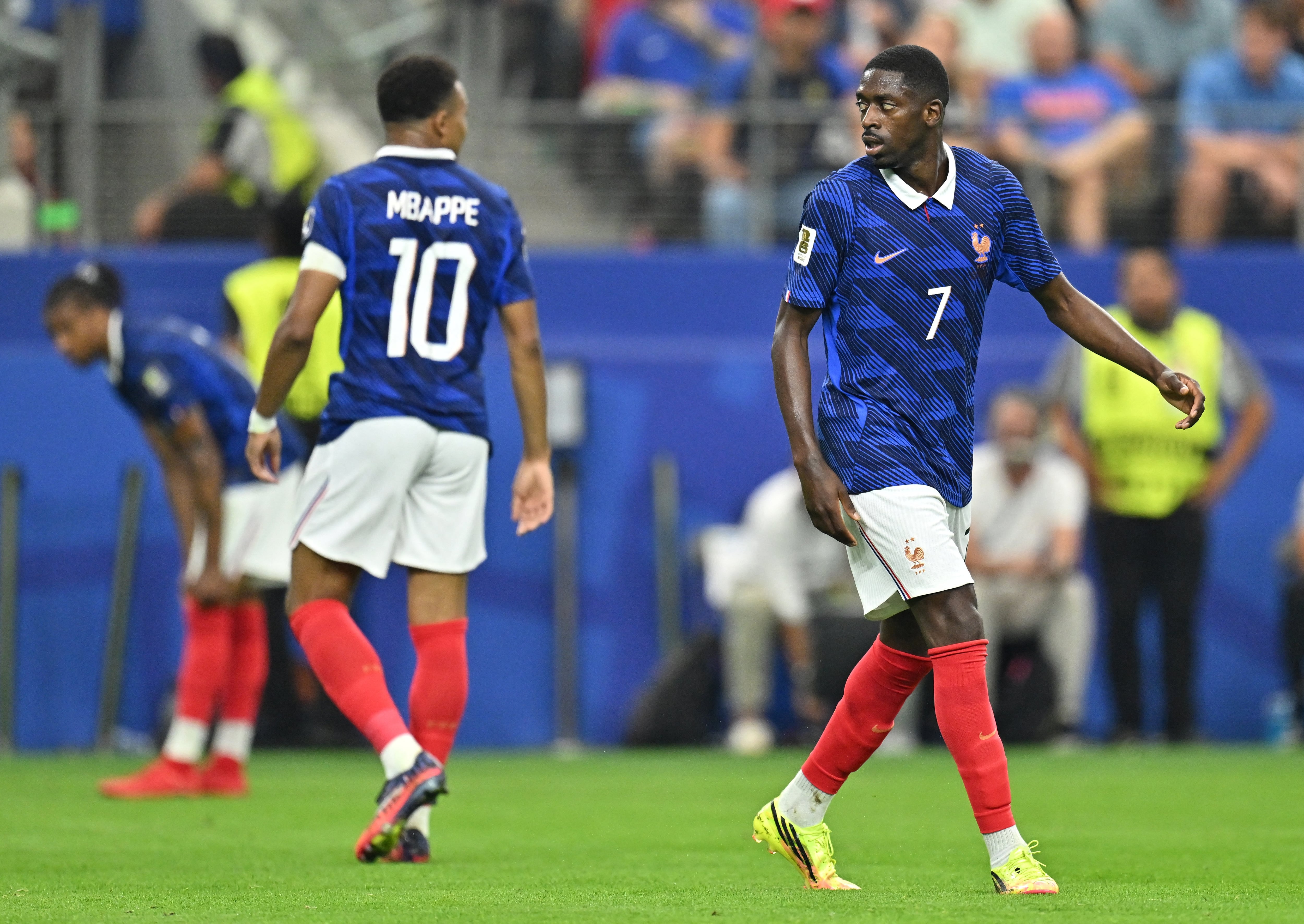
Former Spanish Prime Minister Mariano Rajoy has avoided issuing an apology for his recent controversial remarks concerning the French national football team. In a new opinion piece, Rajoy sidestepped the controversy, stating, "They don't ask for forgiveness for anything." This statement appears to be a deflection from his earlier comments, which had drawn criticism. Rajoy, who served as Prime Minister of Spain from 2011 to 2018, has chosen not to directly address the substance of the allegations or offer a retraction. Instead, he has used his latest public statement to pivot the discussion. The former leader's decision not to apologize suggests a strategy of weathering the criticism rather than engaging with it directly. His commentary implies a perceived lack of accountability from the French team, which he uses as a justification for his own stance. The situation highlights the delicate balance politicians often strike when facing public scrutiny over their statements.
Former Prime Minister Mariano Rajoy's decision to deflect rather than apologize for his remarks on the French national team reflects a common political strategy of framing criticism as an overreaction or a selective application of standards. This approach leverages the principle of reciprocity, suggesting that if the target of criticism does not offer apologies, then the critic should not be expected to either. From a governance perspective, this tactic aims to preserve political capital by avoiding concessions that could be perceived as weakness. However, it risks alienating segments of the public who expect accountability and a more direct acknowledgment of potentially offensive statements. In the evolving media landscape, where public discourse is amplified and scrutinized, such deflections may prolong controversy rather than resolve it, potentially impacting Rajoy's legacy and the broader perception of political accountability in Spain.
AI-generated to prompt reflection — not editorial opinion, not advice, not a statement of fact. How this works.