Former SSP Govinda Kumar Shah laments becoming a victim of meter-rate lending
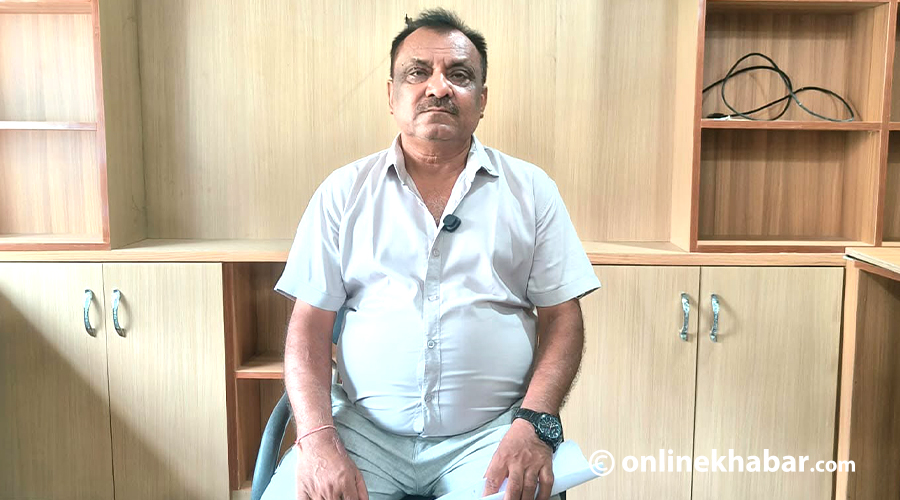
Former Senior Superintendent of Police (SSP) Govinda Kumar Shah has expressed his distress, stating that he has become a victim of exploitative lending practices. He claims that he borrowed money and intends to repay it, but he feels he has been subjected to injustice. Shah highlighted a specific instance where he borrowed 9.9 million Nepali Rupees (NPR) and is being pressured to sell land valued at over 150 million NPR to repay this debt. He questioned the fairness of such a demand, implying that no one would willingly sell such valuable property for a significantly smaller loan amount. This situation points to a severe imbalance between the borrowed sum and the collateral demanded, characteristic of predatory lending.
The case of former SSP Govinda Kumar Shah illustrates the pervasive issue of predatory lending, where exorbitant interest rates and unfair collateral demands can trap borrowers in a cycle of debt. This practice, often referred to as 'meter-rate lending,' can disproportionately affect individuals, including those in positions of authority, by leveraging financial distress for extreme profit. The stark disparity between the 9.9 million NPR loan and the 150 million NPR land value suggests a systemic failure in financial regulation and oversight. Moving forward, strengthening legal frameworks to cap interest rates, ensuring transparency in loan agreements, and providing accessible legal recourse for victims are crucial steps. Addressing the underlying economic vulnerabilities that drive individuals to seek high-interest loans, while also holding predatory lenders accountable, will be essential for fostering a more equitable financial ecosystem over the next decade.
AI-generated to prompt reflection — not editorial opinion, not advice, not a statement of fact. How this works.