Former Unification Church Assets Valued at $560 Million at Time of Dissolution Order
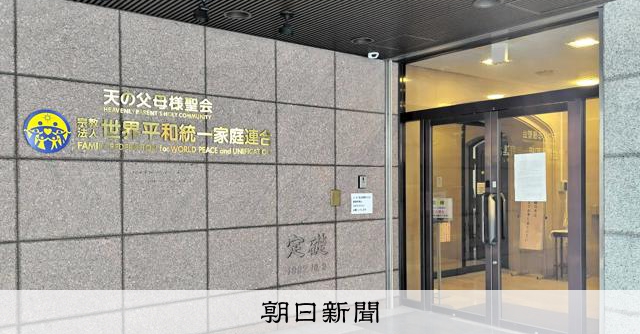
The former Unification Church's assets were valued at 83.4 billion yen ($560 million) at the time a high court ordered its dissolution. This figure was disclosed by the court-appointed liquidator. The court's decision to dissolve the religious organization, officially known as the Family Federation for World Peace and Unification, came after years of controversy surrounding its aggressive fundraising tactics and alleged cult-like practices. The dissolution order was issued by the Tokyo High Court on January 16, 2024. The liquidator is now responsible for managing and distributing the church's assets in accordance with legal procedures. This process will likely involve identifying creditors and determining how the remaining assets will be handled, potentially including compensation for victims of the church's practices. The exact timeline for the liquidation process remains unclear, but it is expected to be a complex undertaking given the scale of the organization's holdings. The public disclosure of the asset valuation marks a significant step in the legal proceedings following the church's ban. The government had sought the dissolution order, citing the organization's repeated illegal activities and harm caused to individuals and families. The former church has consistently denied wrongdoing.
The court-ordered dissolution of the former Unification Church and the subsequent disclosure of its substantial asset valuation highlight the complex interplay between religious freedom, financial regulation, and public welfare. The significant sum of assets underscores the financial scale of the organization and raises questions about the efficacy of oversight mechanisms designed to prevent the accumulation of wealth through potentially exploitative means. As the liquidation process unfolds, the focus will be on ensuring a transparent and equitable distribution of assets, particularly in light of past allegations of harm to individuals and families. This situation presents a case study in how legal systems grapple with the societal impact of religious organizations that operate with significant financial power, prompting consideration of future governance frameworks for such entities in the digital age.
AI-generated to prompt reflection — not editorial opinion, not advice, not a statement of fact. How this works.