Fortaleza Court Frees One Suspect, Detains Four in App Passenger Kidnapping Case
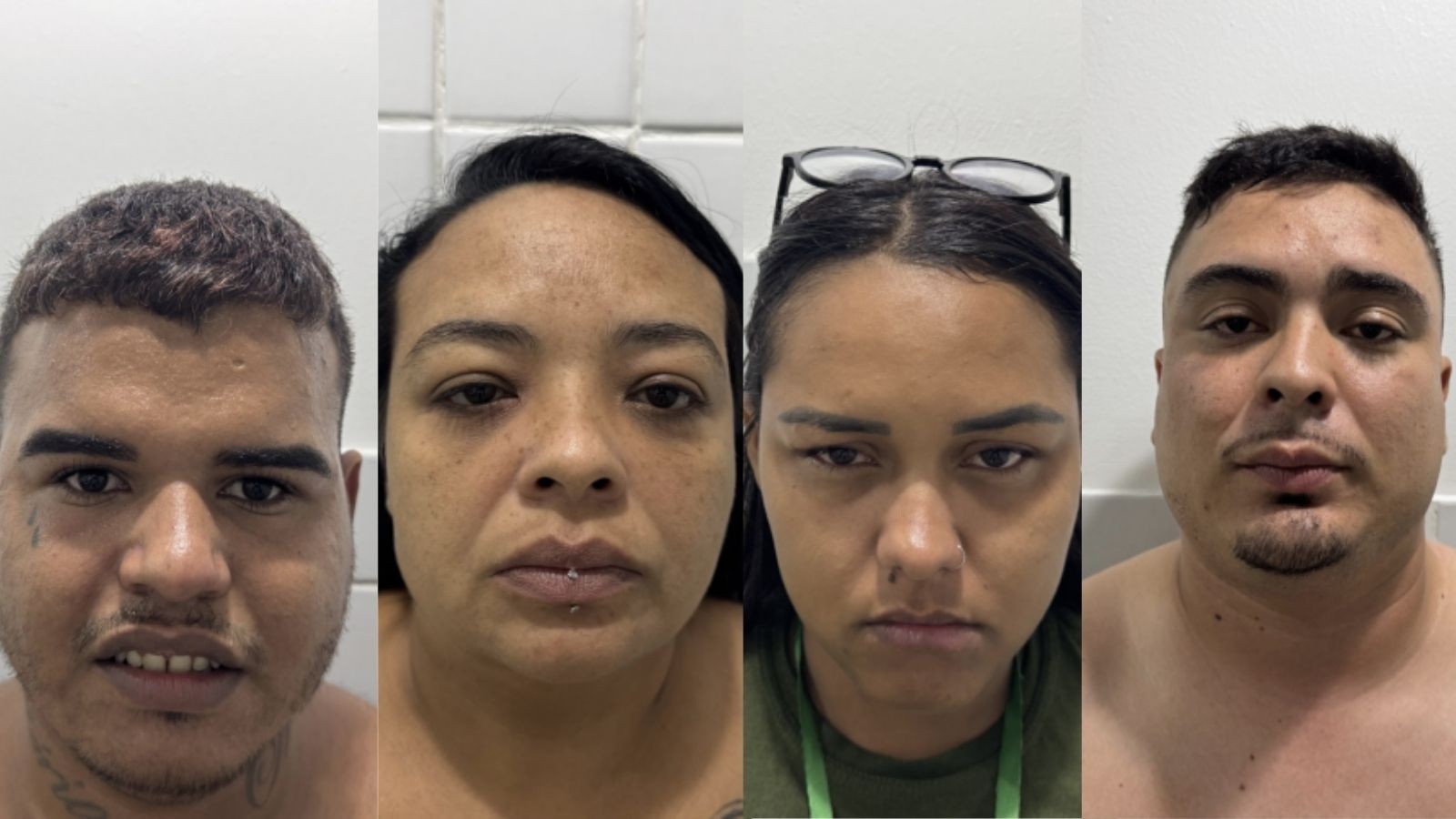
A court in Fortaleza, Brazil, has ordered the release of one suspect while maintaining the pre-trial detention of four others accused in the kidnapping of a ride-sharing app passenger. The incident occurred on Thursday, November 9th, in the Meireles neighborhood. The victim was abducted after leaving a show venue and entering an Uber. She was subsequently held captive and robbed by the suspects.
Rayane da Silva Queiroz was the sole individual released following a custody hearing on Saturday, November 11th. The judge cited a lack of concrete evidence directly linking Rayane to the victim's abduction or violent threats, noting her alleged involvement was primarily in receiving, withdrawing, and delivering a portion of the illicit proceeds. She was released under strict bail conditions, including mandatory court appearances, reporting address changes within 24 hours, and remaining within the Fortaleza jurisdiction without prior judicial authorization.
The remaining detained suspects are Matheus Bandeira Fontoura, Claudio Natan Barbosa da Silva, Otavio Joas Martins de Castro, and Ana Karolina da Silva Horta. The victim was forced to make electronic transfers and take out loans using her phone while under threat of death in a makeshift prison. The Uber driver, Matheus Bandeira Fontoura, allegedly altered the route and met with accomplices who then entered the vehicle. Uber has deactivated Fontoura's account and stated its cooperation with authorities, offering psychological support to the victim. Fontoura's defense claims his innocence, asserting he was also a victim and highlighting his clean criminal record.
This case highlights the complex interplay between platform accountability, individual criminal intent, and judicial discretion in Brazil's justice system. The court's decision to release Rayane da Silva Queiroz, despite her alleged role in handling stolen funds, underscores a nuanced interpretation of direct participation versus complicity, emphasizing the need for concrete evidence of direct involvement in the primary criminal acts. The ongoing detention of the other four, including the Uber driver, suggests sufficient evidence of their alleged roles in the abduction, extortion, and drug trafficking. Future legal proceedings will likely focus on establishing the full extent of each individual's culpability and the systemic vulnerabilities exploited, such as the potential for platform drivers to be coerced or to actively participate in criminal enterprises. This situation prompts reflection on how ride-sharing platforms can enhance user safety and driver vetting to mitigate risks of criminal exploitation within their services.
AI-generated to prompt reflection — not editorial opinion, not advice, not a statement of fact. How this works.