Fortaleza Desalination Plant Construction Authorized After Delays and Controversy
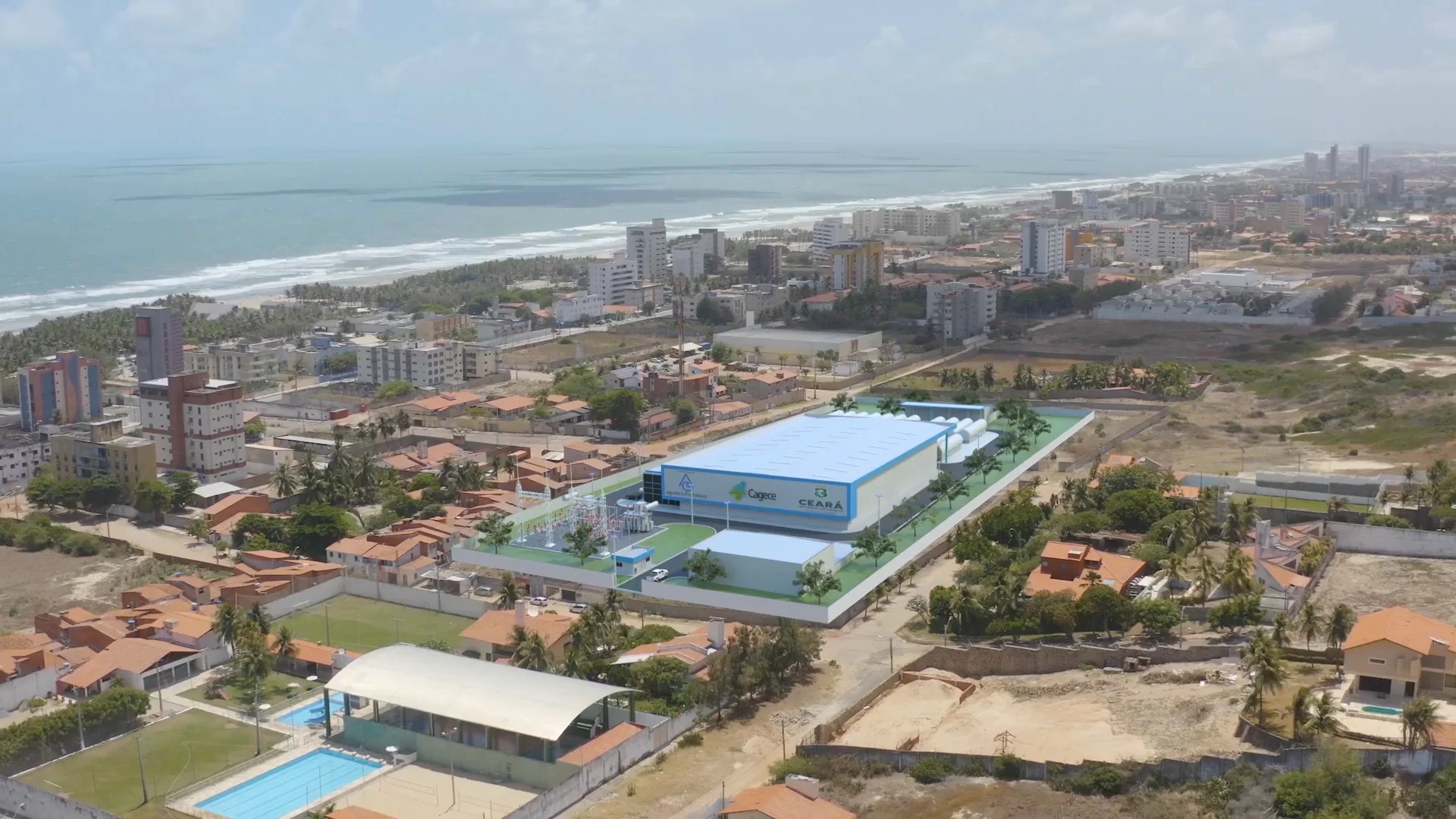
After years of delays and controversy, the Companhia de Água e Esgoto do Ceará (Cagece) has authorized the start of construction for Fortaleza's desalination plant, known as Dessal do Ceará. The project, initially announced in 2017, faced significant setbacks, including disputes over its location potentially impacting submarine internet cables. Following pressure from telecommunications companies, the plant's site was moved over 1 kilometer from the original intended location, requiring new environmental studies and licensing. The construction is now slated to commence in approximately 60 days, with the plant expected to be operational in the second half of 2028. The facility will be situated on an 88,300 m² plot valued at R$ 31,266,147 on Praia do Futuro. Utilizing reverse osmosis technology, the plant will have the capacity to desalinate 1,000 liters of seawater per second, meeting 12% of Fortaleza's water demand. The project involves constructing water intake structures and pipelines for distribution to the Mucuripe and Praça da Imprensa stations. The construction phase is projected to last 24 months. This large-scale desalination plant, a public-private partnership involving Marquise S/A, PB Construções LTDA, and Abegoa Água S/A under the consortium Águas de Fortaleza, represents a significant investment of over R$ 3 billion. The plant is intended to be the largest of its kind in Brazil, surpassing existing facilities like the one in Fernando de Noronha, and will be the first large-scale plant for public water supply in the country. As part of the land acquisition for the new site, 29 families were relocated and compensated, and the consortium must build a new community sports facility (Areninha) as compensation for the area previously occupied by one.
The authorization of the Fortaleza desalination plant marks a critical step in addressing regional water security challenges, balancing infrastructure development with environmental and technological concerns. The project's protracted timeline and location disputes highlight the complex interplay between public utility needs, private sector interests (telecommunications), and regulatory oversight in Brazil. The shift in location, while resolving immediate conflicts, likely incurred additional costs and extended the project's economic breakeven point. As the plant prepares for construction, ongoing monitoring of its environmental impact, particularly on marine ecosystems and the integrity of submarine infrastructure, will be crucial. The success of this public-private partnership will depend on efficient project management, transparent cost control, and adaptive strategies to mitigate unforeseen operational or environmental risks in the coming decade, especially as climate change intensifies water scarcity concerns.
AI-generated to prompt reflection — not editorial opinion, not advice, not a statement of fact. How this works.