Fortaleza Launches Rabies Vaccination Drive for Dogs and Cats
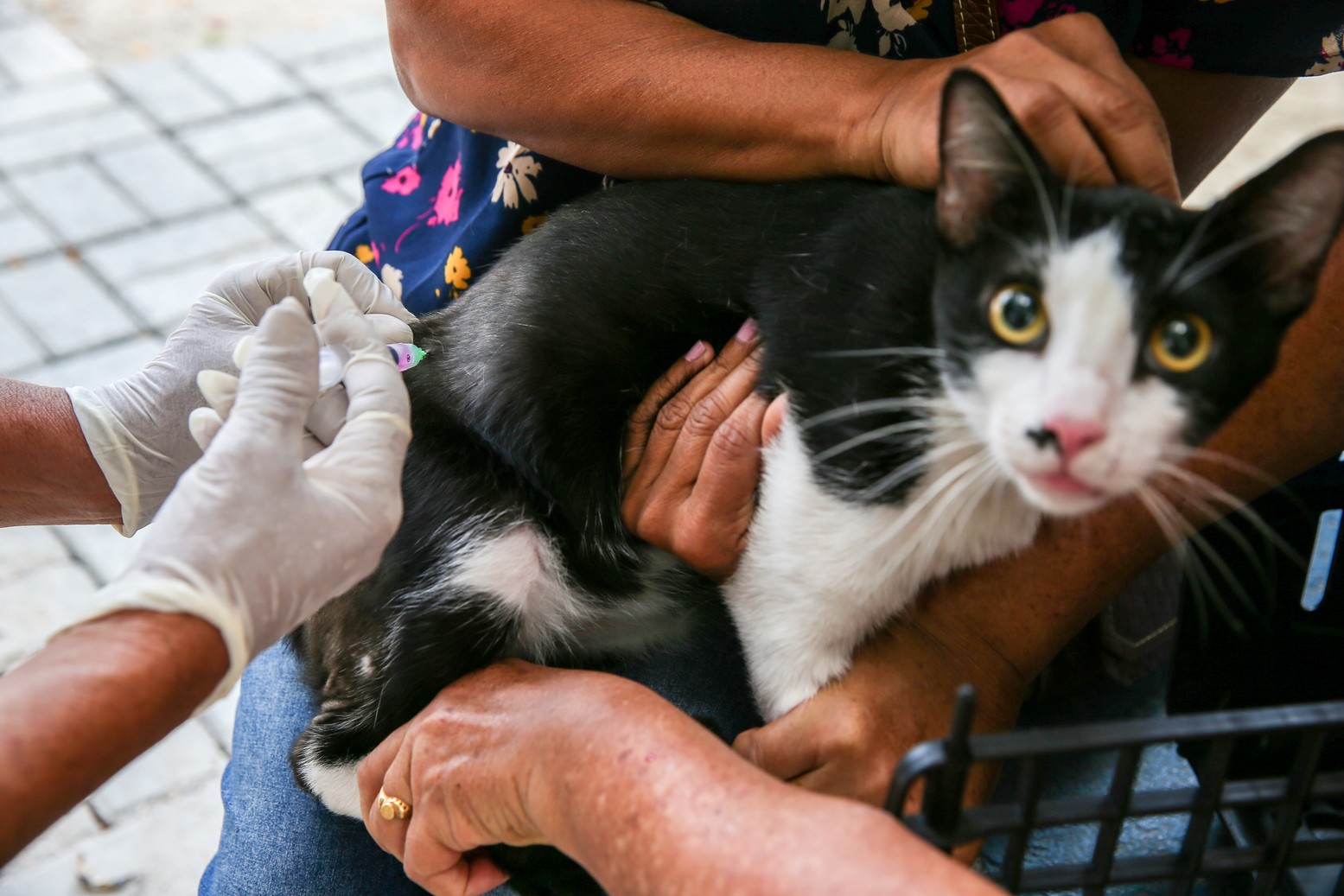
Fortaleza, Brazil, is launching its annual rabies vaccination campaign for dogs and cats, beginning this Saturday, August 31st. The initial "D-Day" event will run from 8 AM to 5 PM, featuring 250 vaccination sites and approximately 1,500 healthcare professionals. The city's Municipal Health Secretariat (SMS) has advanced the start of the 2026 Rabies Vaccination Campaign from its traditional October timing to enhance protection for pets. Animals aged three months and older are eligible for vaccination, with exceptions for pregnant females and those who are sick or recovering. The campaign aims to immunize around 500,000 animals, including an estimated 300,000 dogs, by its conclusion on November 30, 2026. This initiative is crucial as rabies cases are still identified in wild animals like marmosets and bats, as well as in stray cats. The rabies virus is fatal and transmissible to humans, making vaccination the most effective prevention method, according to Fortaleza's Health Secretary, Riane Azevedo. Beyond the campaign, nine permanent vaccination points are available, including eight zoonosis units operating weekdays and the Center for Zoonosis Control, which is open daily. Notably, Fortaleza has not recorded any human rabies cases in 23 years.
This public health initiative in Fortaleza underscores the critical role of widespread vaccination in controlling zoonotic diseases. By proactively advancing the campaign and establishing numerous accessible vaccination points, the city demonstrates a commitment to preventing the re-emergence of rabies, a disease with severe public health implications. The strategy addresses potential gaps in protection by targeting both pet and stray animal populations, recognizing the interconnectedness of animal and human health. The long-term success of such campaigns relies on sustained public engagement and consistent funding, particularly as urban environments continue to interact with wildlife reservoirs. Future considerations may involve leveraging technology for more efficient tracking and outreach, ensuring herd immunity is maintained and public health gains are preserved over the long term.
AI-generated to prompt reflection — not editorial opinion, not advice, not a statement of fact. How this works.