Fortaleza Pizzaiolo Accused of Sexual Harassment During TikTok Live
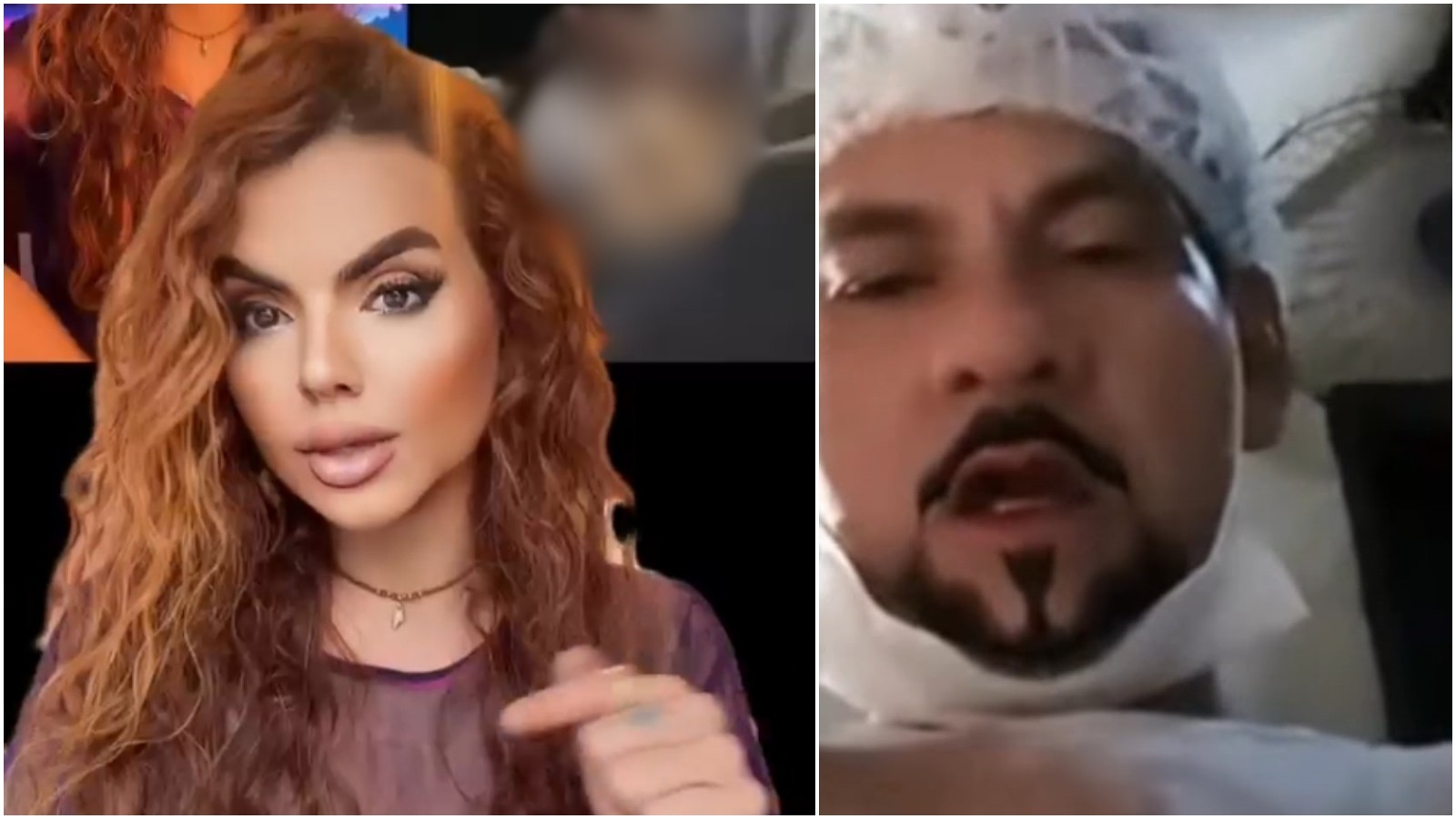
Rio de Janeiro-based tattoo artist and content creator Taís Thorpe has reported being a victim of sexual harassment during a TikTok live stream. She alleges that a man, while wearing a uniform from a Ceará-based pizzeria and appearing to be at his workplace, made obscene gestures on camera. During the live session, the unidentified man was seen touching himself while Thorpe was speaking to her followers. Thorpe stated that the incident occurred around 7 AM on a Wednesday and was one of the most unpleasant experiences she has had while live-streaming. She emphasized that such behavior is not a joke, but rather invasive, disrespectful, and criminal, and that women do not invite such actions by going live. Thorpe identified the man's workplace by his uniform and a phone number with a Ceará area code on his profile, subsequently contacting the pizzeria, Via Pizza. Via Pizza issued a statement and a video denouncing the employee's conduct and confirming they have taken appropriate labor measures. The company's lawyer, Ricardo Cavalcante, stated that the visuals are disturbing and that the incident is under internal investigation. The pizzeria affirmed its solidarity with Thorpe, offered cooperation with any investigations, and noted that details of actions taken against the employee cannot be disclosed due to labor laws. The lawyer also clarified that the incident did not happen during customer service but was accessed by the employee on his personal phone during a public social media broadcast.
This incident highlights the pervasive challenges of online harassment, particularly for female content creators, and the critical role of platform moderation and employer accountability. The rapid identification of the perpetrator through social media and company uniforms underscores the interconnectedness of online and offline identities. The pizzeria's swift repudiation and initiation of labor proceedings demonstrate a commitment to addressing employee misconduct, though the specifics remain confidential due to labor regulations. This situation prompts reflection on the adequacy of current digital safety measures and the legal frameworks governing online interactions, especially when workplace resources or identifiers are involved. It also raises questions about the responsibility of social media platforms in preventing and responding to such violations, and the potential for technological solutions to create safer virtual public spaces.
AI-generated to prompt reflection — not editorial opinion, not advice, not a statement of fact. How this works.