Fortaleza Pool Wins Over R$14 Million in Lotofácil Lottery
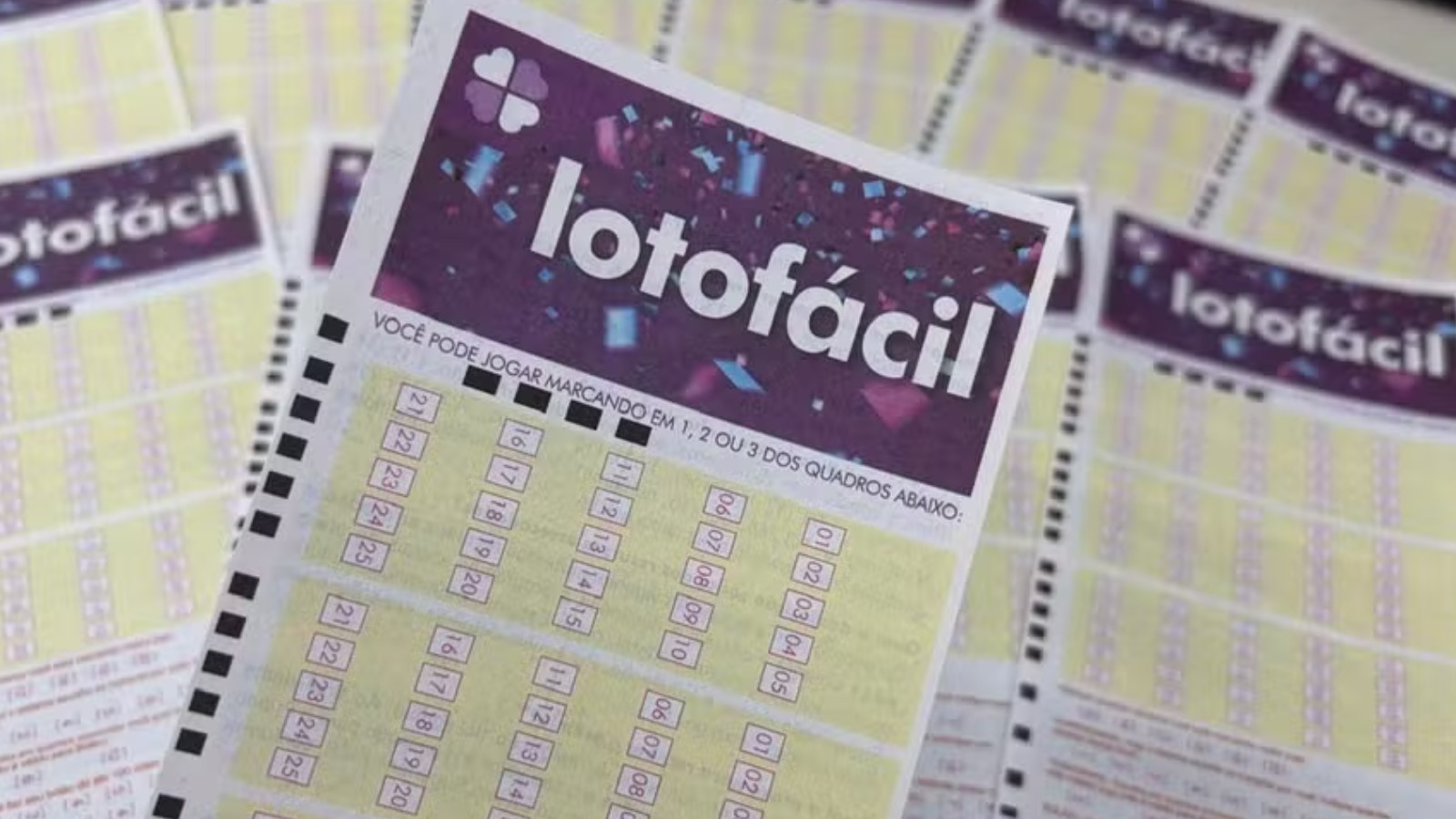
A lottery pool from Fortaleza, Brazil, has won the grand prize of R$14,429,991.91 in the Lotofácil lottery draw held on Tuesday, February 21st. The winning numbers for contest 3741 were 2, 3, 4, 5, 9, 11, 12, 14, 15, 16, 18, 20, 21, 22, and 23. This winning ticket was purchased at Loteria Aldeota and comprised 31 shares, with participants betting on 19 numbers. Each share cost R$590.77, and individual winners will receive approximately R$465,000. The draw also awarded prizes to 601 participants with 14 correct numbers, 21,108 with 13, 268,742 with 12, and 1,455,812 with 11. The next Lotofácil drawing is scheduled for Wednesday, February 22nd. Among the winners is businessman Alessandro Montenegro, known as the 'King of Pools' and owner of Loteria Aldeota, a lottery agency with a history of awarding major prizes. This marks Montenegro's eighth significant win in 2026 alone, including previous victories in Mega-Sena, Quina de São João, Dia de Sorte, and multiple Lotofácil contests. Loteria Aldeota has now secured its 14th main prize from Loterias Caixa, with eight of these occurring this year. The agency has previously won two Mega-Sena grand prizes, ten Lotofácil main prizes, one Dia de Sorte, and one Quina de São João. Collectively, Loteria Aldeota has paid out R$386 million in winnings, benefiting numerous bettors across Brazil and internationally. The establishment also holds over 84 titles as Brazil's top-selling lottery retailer, maintaining its national leadership for over six consecutive years.
This lottery win highlights the significant financial impact of large-scale gambling operations and the role of organized betting pools in distributing substantial prizes. The consistent success of Loteria Aldeota suggests a sophisticated understanding of lottery dynamics and customer engagement, potentially leveraging data analytics or strategic marketing to attract participants. From a systemic perspective, such events underscore the societal reliance on chance-based wealth generation and the complex interplay between private enterprise, public gaming regulation, and individual aspirations for financial gain. As AI continues to evolve, its application in predictive modeling for random events remains a theoretical frontier, while its impact on consumer behavior and market analysis in sectors like gaming is already tangible, raising questions about responsible gambling and the future of probabilistic industries.
AI-generated to prompt reflection — not editorial opinion, not advice, not a statement of fact. How this works.