Fortaleza's 'Favela Forró' Dance Evolves from Peripheries to New Stages
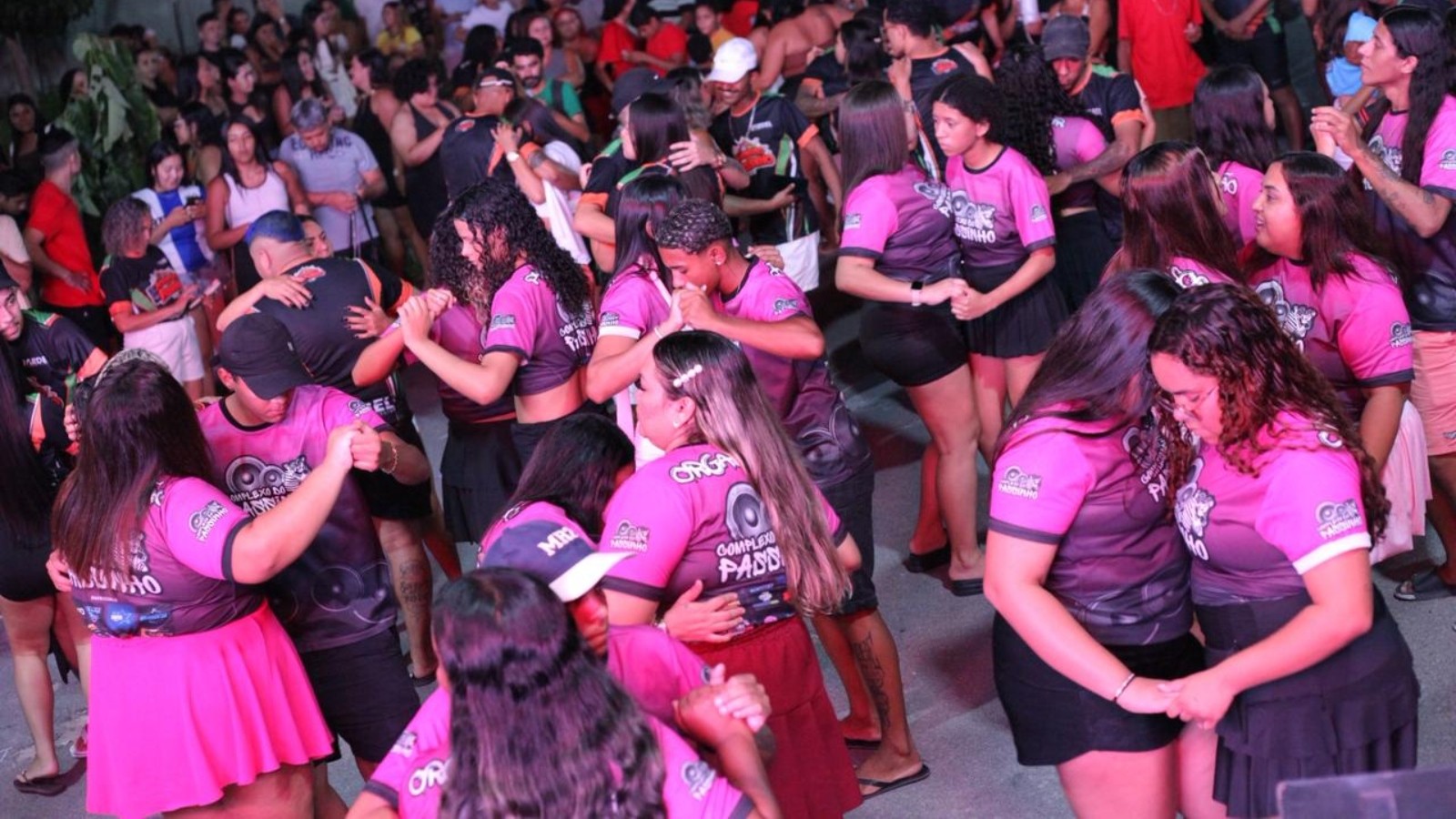
A romantic dance style known as 'forró de favela,' characterized by slower steps and intricate hip movements, has emerged from the outskirts of Fortaleza, Brazil, and is now gaining traction in new urban spaces. Unlike traditional forró's rapid spins and distinct steps dictated by the beat, 'forró de favela' emphasizes feeling the lyrics, often described as a close, slow dance reminiscent of reggae. This style, a reconfiguration of leisure and social practices in peripheral communities, originated in the 1990s through parties organized by DJs. Sociologist Marcelo Ribeiro explains it as a response from lower-income classes who wanted to enjoy music heard on the radio without the cost of attending large shows, thus developing its own aesthetic and market demand. Today, specialized bands create music with the melodic rhythms characteristic of 'forró de favela.' The advent of social media has significantly boosted its popularity, allowing peripheral artists to gain followers and reach wider audiences beyond their immediate neighborhoods. This online visibility has spurred interest in learning the dance, leading to the formation of groups like Complexo do Passinho, founded in February 2025 in the Jardim das Oliveiras neighborhood, and Chama no Passinho in the Vicente Pizón neighborhood. These groups offer free weekly or bi-weekly classes, aiming to provide entertainment and social engagement. While the term 'forró de favela' can carry connotations of prejudice for some, founders like Dynha Souza emphasize its role in valuing the dance's origins, noting that over 30 such groups now operate across Fortaleza and its metropolitan area.
The rise of 'forró de favela' illustrates how cultural expressions originating in marginalized communities can transcend their initial contexts through technological diffusion and evolving social dynamics. The dance's journey from limited access to widespread visibility via social media highlights the democratizing potential of digital platforms in cultural dissemination. While the term 'favela' may carry historical stigma, its adoption by practitioners signifies a reclamation and valorization of their cultural heritage, challenging external perceptions. This phenomenon underscores a broader trend where localized cultural forms gain national or even global recognition, driven by grassroots organization and digital connectivity, prompting a reevaluation of cultural hierarchies and the economic models that previously dictated access to artistic expression.
AI-generated to prompt reflection — not editorial opinion, not advice, not a statement of fact. How this works.