Fortaleza's Halleluya Festival 2026 Features Top Catholic Artists July 22-26
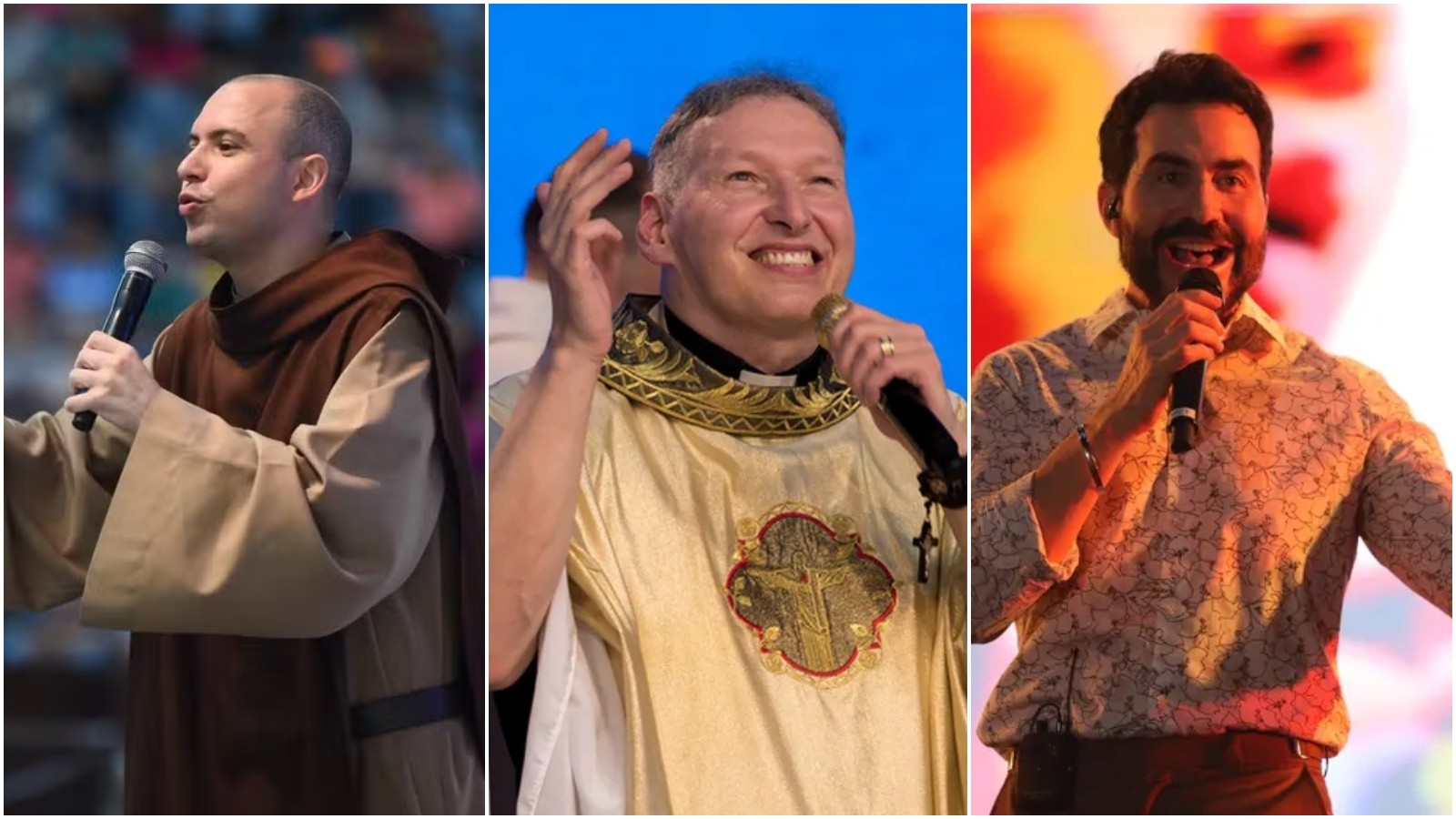
The Halleluya Festival 2026 is scheduled to take place in Fortaleza, Brazil, from July 22 to July 26, celebrating Catholic music with a free admission policy. This year's event, themed "An even bigger and better Halleluya!", will feature prominent Catholic artists including Frei Gilson, Padre Marcelo Rossi, and Padre Fábio de Melo. The festival is expanding its infrastructure, with the main Arena Halleluya growing from 60,000 to 90,000 square meters. A new 3,000 square meter lounge will offer enhanced stage visibility, and the Gamer Arena will be extended to five days, incorporating games, entertainment, and digital football tournaments. The Espaço da Misericórdia (Mercy Space) is also being relocated and improved. Other confirmed performers include Adoração e Vida, Adriana Arydes, Eliana Ribeiro, Guilherme de Sá, Suely Façanha, Davidson Silva, and Ir. Kelly Patrícia, among many others. The festival will also host thematic spaces like the Adventure and Street stages, Halleluya Kids, and Expo Halleluya. A significant new addition is the Halleluya Podcast, located within the Imersão Gamer (Gamer Immersion) area, which will feature daily discussions on evangelization, youth, and contemporary challenges with the founder of the Shalom Catholic Community, Moysés Azevedo, and guest bishops.
The Halleluya Festival's expansion in Fortaleza highlights a growing trend in faith-based entertainment, leveraging popular culture to engage younger demographics and broaden outreach. The integration of a dedicated 'Gamer Arena' and podcasting reflects an adaptive strategy to connect with contemporary youth culture, moving beyond traditional religious programming. This approach, while aiming to amplify its message, also presents a challenge in maintaining theological coherence across diverse cultural platforms. The festival's growth and infrastructure investment suggest a robust organizational capacity and a significant, engaged audience, indicating the economic viability of faith-centric events. Future considerations may involve assessing the long-term impact of this cultural integration on both evangelization efforts and the festival's core identity.
AI-generated to prompt reflection — not editorial opinion, not advice, not a statement of fact. How this works.