Fortaleza Supermarket Seized for Two Tons of Expired and Unsafe Food
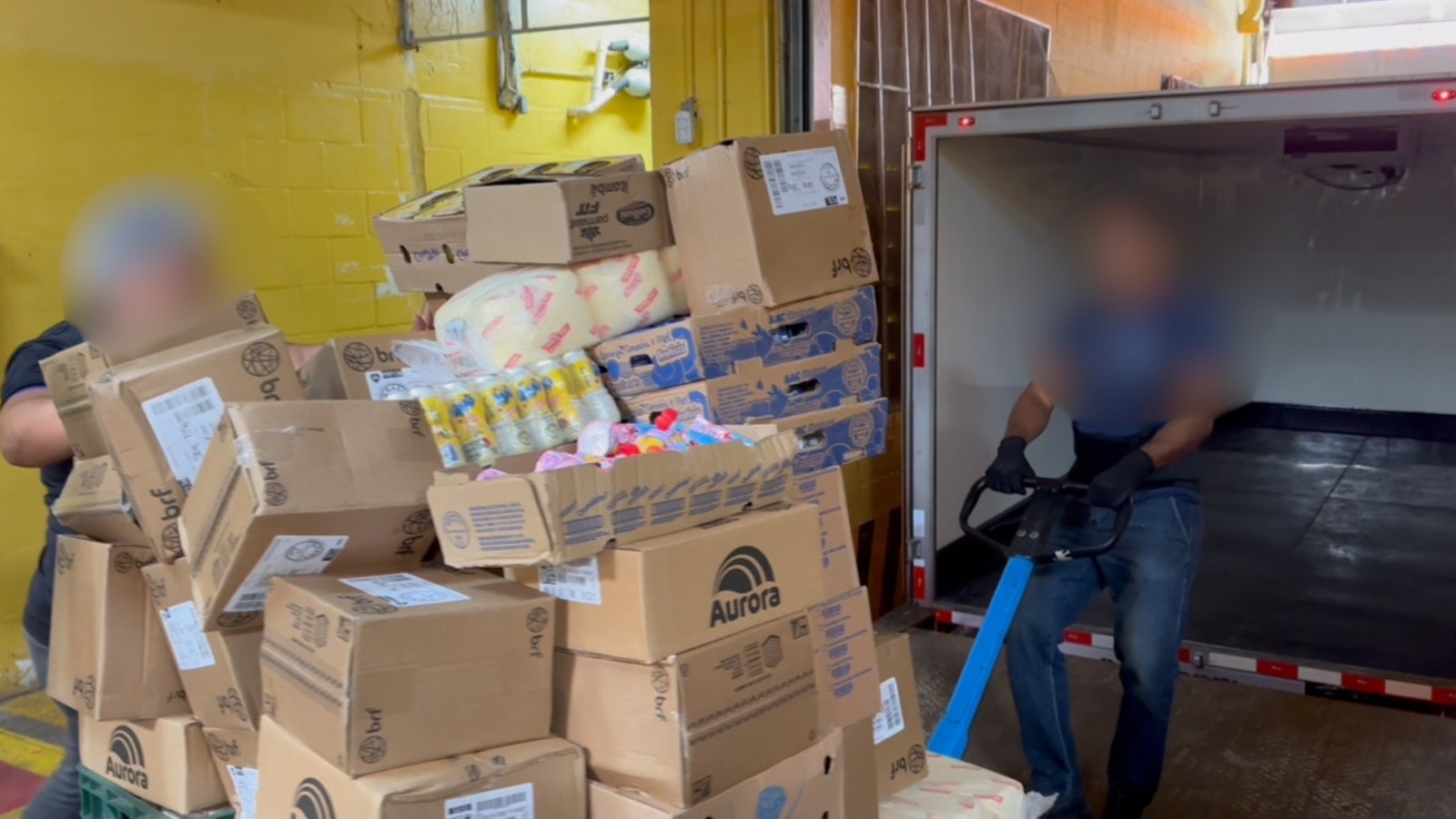
Fortaleza's Agency for Inspection (Agefis) seized approximately two tons of food deemed unfit for consumption from a supermarket in the Messejana neighborhood on Thursday, November 30th. The operation was prompted by public complaints and conducted by the agency's Sanitary Surveillance team. During the inspection, agents discovered products past their expiration dates, food with altered sensory characteristics like unusual color and odor, and incorrect post-opening shelf-life recommendations from manufacturers. The seized items included nearly two tons of various products such as meats, poultry, processed meats, hamburgers, cheeses, dairy beverages, and yogurts, all slated for disposal in a landfill. Marco Ferreira, a sanitary surveillance inspector for Agefis, stated that these foods were in conditions that could cause severe health issues, including foodborne illnesses, potentially requiring medical attention and hospitalization. The inspection also revealed significant hygiene and sanitation deficiencies, including the presence of pests like cockroaches and flies in food handling and storage areas, poorly maintained equipment, and a lack of sanitary licenses for some products, alongside missing supplier documentation. The supermarket has been formally cited and given a period to present a defense and rectify the identified issues. Agefis will conduct a follow-up inspection to ensure compliance, with potential for further administrative penalties, including new citations and possible closure, if violations persist. These findings constitute violations of Municipal Law nº 8.222/1998 and Anvisa's RDC nº 216/2004, which govern sanitary legislation and food service best practices, respectively.
This incident highlights the critical role of public health surveillance and the potential for significant consumer risk when regulatory oversight falters. The discovery of two tons of expired and improperly stored food suggests systemic failures in the supermarket's internal quality control and inventory management processes. The presence of pests and lack of proper licensing further indicate a disregard for established sanitary standards, potentially driven by cost-saving measures or inadequate management training. Moving forward, ensuring consistent and thorough enforcement of existing regulations, coupled with robust consumer education on identifying unsafe food practices, will be crucial. The long-term challenge lies in fostering a culture of compliance within the retail sector, where profitability is balanced with public safety imperatives, especially as supply chains become more complex and consumer demand for convenience grows.
AI-generated to prompt reflection — not editorial opinion, not advice, not a statement of fact. How this works.