Forza Italia Senator Criticizes Russian Pavilion Opening at Venice Biennale
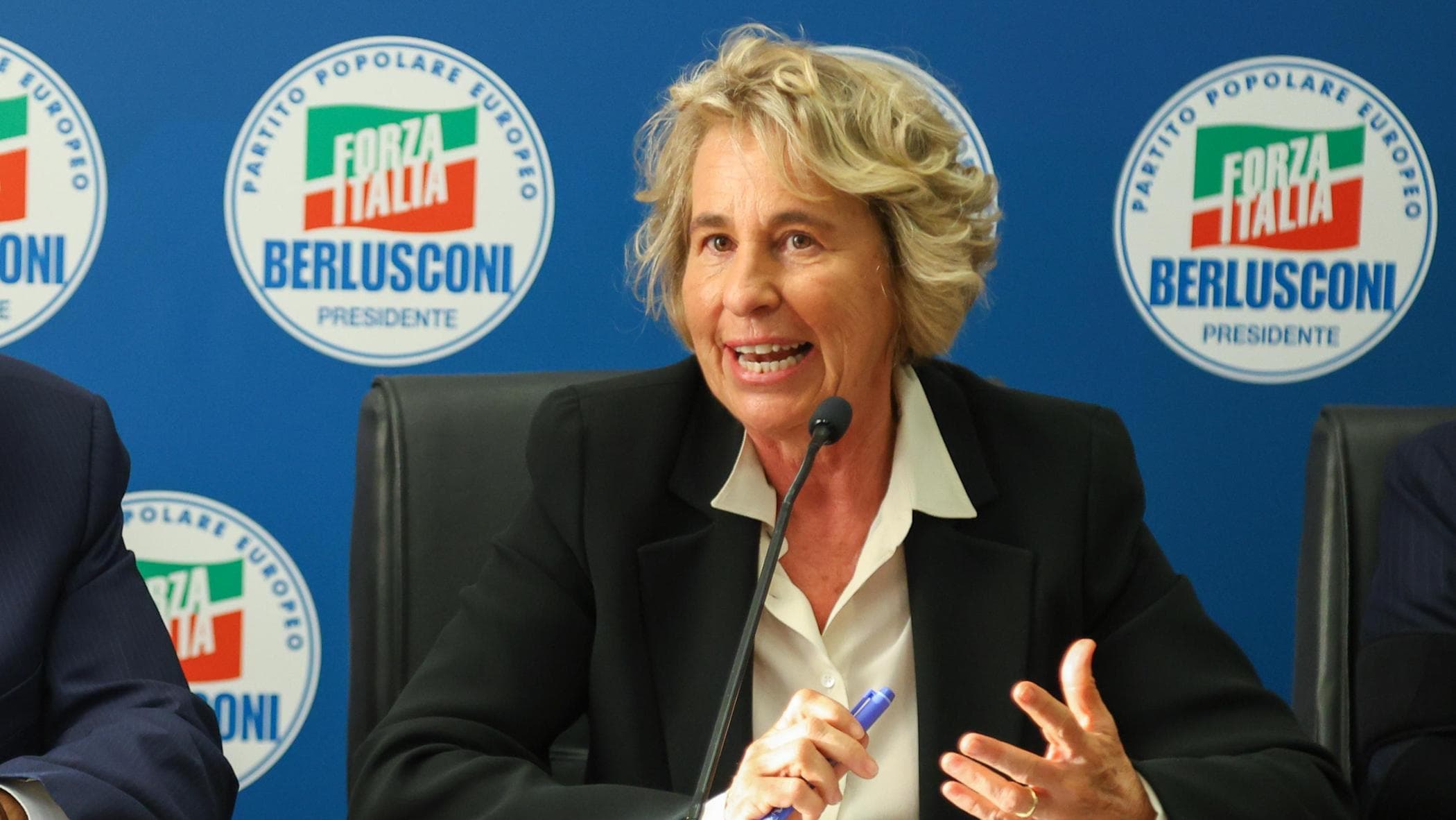
The group leader of Forza Italia in the Italian Senate, Stefania Craxi, has stated that culture is not a neutral area. She believes that opening the Russian pavilion at the Venice Biennale was a mistake. Craxi, who is also the daughter of former Italian Prime Minister Bettino Craxi, expressed her views on the matter. She characterized Russia's participation as a typical attempt by autocracies to regain international legitimacy. This statement comes amid ongoing geopolitical tensions and Russia's continued military actions.
The decision to include Russia in cultural events like the Venice Biennale raises questions about the role of arts and culture in international diplomacy during periods of conflict. While some argue for maintaining cultural exchange to foster dialogue, others, like Senator Craxi, contend that such participation can inadvertently legitimize regimes engaged in aggressive actions. This situation highlights a broader debate on whether cultural institutions should actively engage with or isolate nations based on their geopolitical conduct. The underlying incentive for autocratic states to use cultural platforms is to project an image of normalcy and international acceptance, thereby counteracting sanctions and diplomatic pressure. The challenge for organizers is to navigate these complex dynamics, balancing artistic freedom with ethical considerations and the broader geopolitical context.
AI-generated to prompt reflection — not editorial opinion, not advice, not a statement of fact. How this works.