Four African nations to halt raw cocoa exports, boost local processing
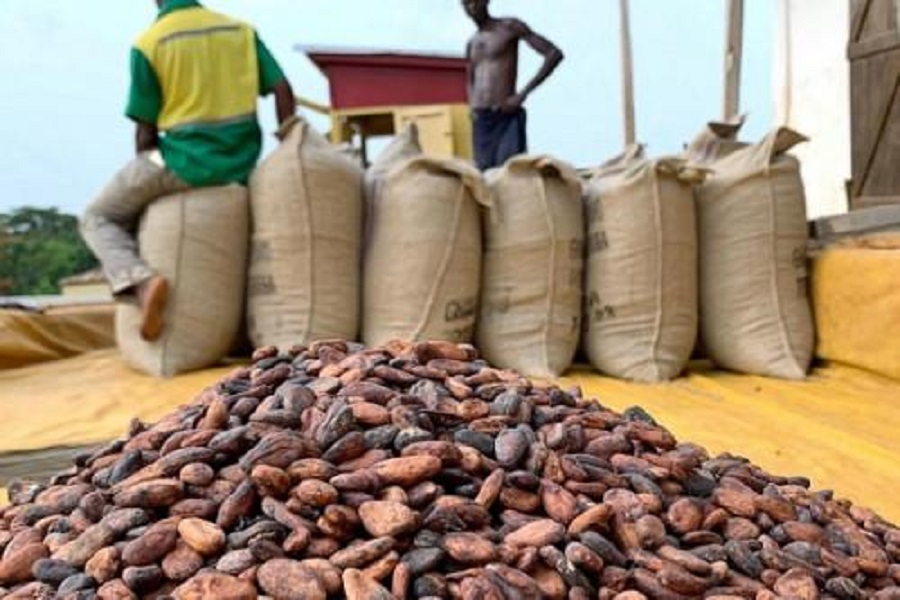
Four of the world's leading cocoa producers – Côte d'Ivoire, Ghana, Nigeria, and Cameroon – are planning to suspend exports of raw cocoa beans. This move aims to foster the development of local cocoa processing industries and increase farmer incomes. Together, these nations account for approximately two-thirds of global cocoa production. They intend to form an alliance, tentatively named the Cocoa Value Alliance, to collectively enhance the value derived from their cocoa output.
The initiative, set to be formalized this week with a declaration in Abuja during a summit on cocoa valorization, seeks to transform the cocoa industry. Key objectives include boosting farmer revenues, creating employment opportunities, and increasing overall income for planters. Currently, cocoa from these countries is exported for processing elsewhere before being re-imported and marketed globally. This practice, combined with stringent environmental regulations from European countries, leads to price volatility that disadvantages producers.
The alliance will enable the four countries to negotiate standards, set prices, and engage with global markets as a unified bloc. The agreement also plans to involve states, producers, and donors to monitor progress in local processing and farmer earnings. Furthermore, the coalition will jointly address the European Union's deforestation regulations, aiming to shield smallholder farmers from the costs associated with compliance.
This strategic shift by major cocoa-producing nations represents a significant attempt to capture greater value within their economies, moving beyond the role of raw material suppliers. By forming a unified bloc, these countries aim to leverage collective bargaining power to negotiate better terms in the global market and address the economic pressures of international regulations. The initiative highlights a broader trend of developing nations seeking to industrialize and add value to their primary commodities, potentially reshaping global supply chains. Over the next decade, the success of this alliance will likely depend on its ability to achieve effective internal coordination, invest in processing infrastructure, and navigate complex international trade dynamics, particularly in response to evolving sustainability demands from consumer markets.
AI-generated to prompt reflection — not editorial opinion, not advice, not a statement of fact. How this works.