Four Arrested After Patients Report Torture at Rehabilitation Clinic in Igarapé, Brazil
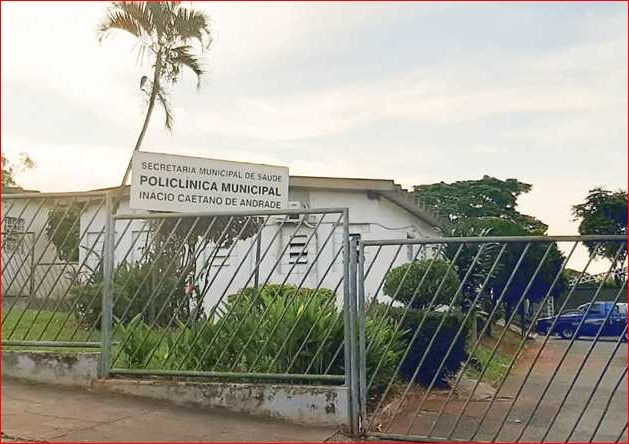
Four men were arrested on Sunday, May 19th, after police discovered patients enduring severe mistreatment at a rehabilitation clinic in Igarapé, located in the Metropolitan Region of Belo Horizonte, Minas Gerais. The military police responded to a call from one of the clinic's administrators regarding a dispute with his brother over a vehicle. Upon arrival at the clinic in the Residencial Ouro Verde neighborhood, officers encountered a situation of degradation and evidence of multiple crimes. Patients reported enduring physical and psychological abuse, deprivation of water and food, false imprisonment, and torture. Some individuals described being drugged daily, living in unsanitary conditions, and being treated "like dogs." One victim stated they had been held against their will for approximately three years. Another patient alleged that clinic administrators frequently left the premises to use drugs with women. Some patients required medical attention and were transported to a local polyclinic. During the operation, police also executed an arrest warrant for one of the patients. The specialized social assistance center (Creas) of Igarapé was contacted, but reportedly stated they were already aware of the clinic's situation and did not dispatch a team. The four suspects, aged 26, 42, 42, and 50, were taken to the Civil Police station and may face charges including false imprisonment, torture, mistreatment, and embezzlement.
The reported conditions at the Igarapé rehabilitation clinic highlight critical failures in oversight and regulatory enforcement for facilities housing vulnerable individuals. The alleged systematic abuse, including physical and psychological torture, deprivation of basic necessities, and false imprisonment, points to a severe breakdown in governance within the institution. The involvement of law enforcement was triggered by an internal dispute, suggesting that patient welfare may not have been a primary concern for clinic management. The response from the specialized social assistance center, indicating prior knowledge without intervention, raises questions about the effectiveness of existing social support systems in preventing such abuses. Future considerations should include more robust and unannounced inspections, stricter licensing requirements, and clear protocols for reporting and investigating patient complaints to ensure the safety and dignity of individuals in rehabilitation centers.
AI-generated to prompt reflection — not editorial opinion, not advice, not a statement of fact. How this works.