Four Arrested in Brazil for Extorting Merchants with Illegal Loans
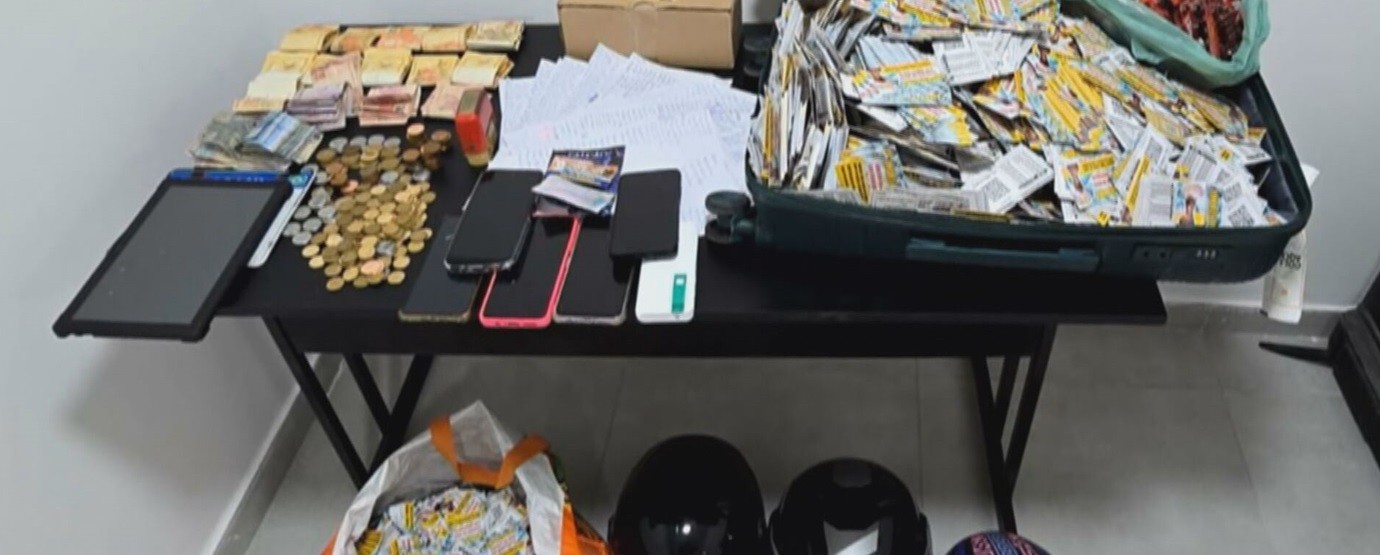
Police in Brazil's Greater Recife region have arrested four individuals accused of extorting merchants through a scheme involving illegal loans. The victims were located in the municipalities of Cabo de Santo Agostinho, Jaboatão dos Guararapes, and Ipojuca. According to the Civil Police, the group provided illicit loans and resorted to violent threats to collect payments. The arrests were made on Monday, May 20th, with the case being publicly disclosed on Wednesday, May 22nd. The individuals apprehended, three women and one man whose identities have not been released, were caught in the act of criminal collection. Authorities seized promotional materials for the loans, which ranged from R$300 to R$2,000 and were to be repaid in daily installments. Also confiscated were an unstated amount of cash, numerous pages of collection records, payment logs, and potential victim information, all found at a residence in the Candeias neighborhood of Jaboatão dos Guararapes. The gang's primary operational areas included specific regions within Cabo de Santo Agostinho, Jaboatão dos Guararapes, and Ipojuca. The investigation was initiated following a complaint from a merchant who reported daily, intimidating visits and threatening calls and messages, along with an attempted home invasion. The Civil Police highlighted the organization's structured approach, involving role specialization for client acquisition, fund collection, and victim intimidation. Evidence suggests the group operated a front company to launder illicit funds, with the registered owner of the company's CNPJ confirming their name was used for the business and the PIX payment key associated with the extortion scheme. The police also noted an attempt to destroy evidence, with two cell phones being remotely formatted and others placed in airplane mode immediately after the arrival of law enforcement.
This case reveals a sophisticated criminal operation exploiting financial vulnerability among small business owners through predatory lending and violent intimidation. The organized structure, including a front company for financial laundering and specific roles for client acquisition and enforcement, suggests a deliberate effort to evade detection and maximize illicit gains. The attempt to remotely format cell phones upon police arrival indicates an awareness of digital evidence trails and a reactive strategy to obstruct the investigation. Such operations highlight systemic gaps in financial regulation and consumer protection, particularly for informal economies. Future efforts could focus on enhancing financial literacy programs for merchants and strengthening oversight of informal lending practices to mitigate the incentives for these exploitative schemes.
AI-generated to prompt reflection — not editorial opinion, not advice, not a statement of fact. How this works.