Four Breathing Exercises for Daily Lung Health
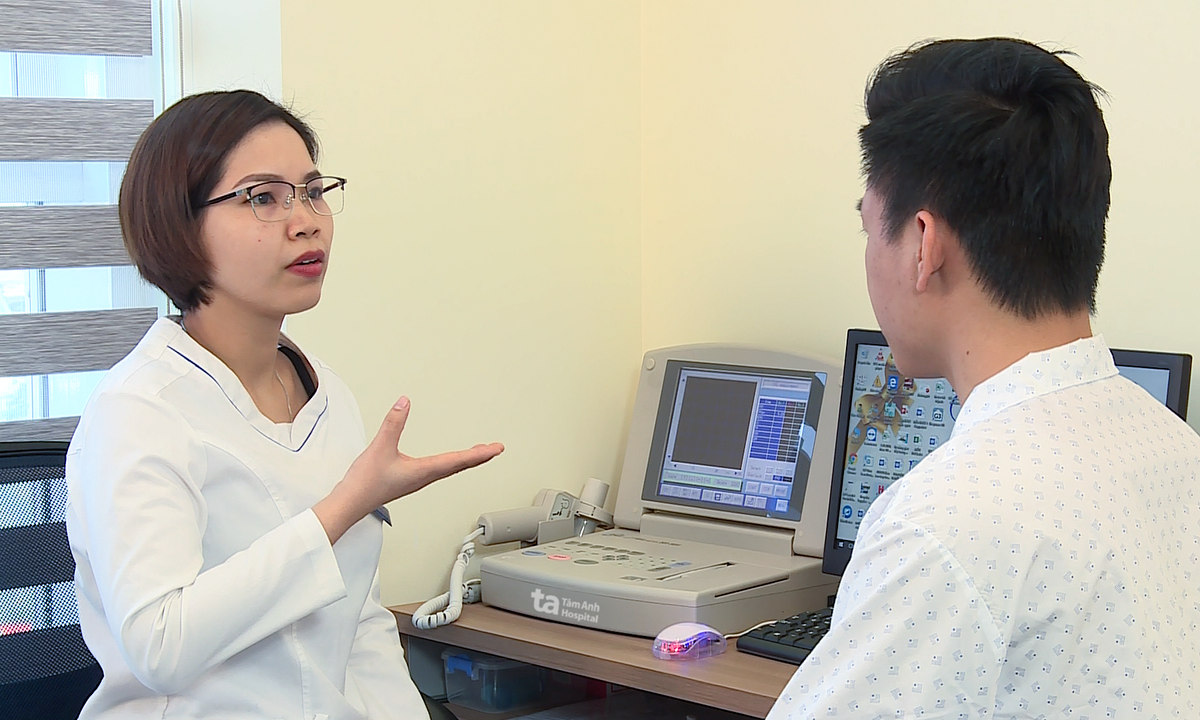
Regularly practicing diaphragmatic breathing, pursed-lip breathing, or maintaining a steady breathing rhythm can significantly enhance lung function and gas exchange efficiency. These techniques are beneficial in reducing shortness of breath. By engaging the diaphragm, individuals can improve their lung capacity and overall respiratory health. Pursed-lip breathing helps to slow down exhalation, which can be particularly useful for people experiencing breathlessness. Maintaining a consistent and controlled breathing pattern supports the lungs' ability to deliver oxygen to the body and remove carbon dioxide. These simple yet effective exercises can be incorporated into daily routines to promote healthier lungs and improve quality of life. Consistent practice is key to realizing the full benefits of these respiratory techniques.
The promotion of specific breathing exercises highlights a growing public interest in accessible, non-pharmacological methods for managing respiratory health. These techniques, rooted in physiological principles, aim to optimize the mechanical efficiency of the lungs and improve oxygenation. From a systemic perspective, widespread adoption of such practices could potentially reduce the burden on healthcare systems for mild to moderate respiratory complaints. The emphasis on daily practice suggests a shift towards proactive, self-managed wellness strategies, aligning with broader trends in preventative health and personal empowerment in managing chronic conditions. Future public health initiatives might explore integrating these exercises into community programs or educational curricula to foster long-term respiratory resilience.
AI-generated to prompt reflection — not editorial opinion, not advice, not a statement of fact. How this works.