Four businessmen ordered to pay over R$1.7 million for selling fake masks to Mato Grosso do Sul state hospital
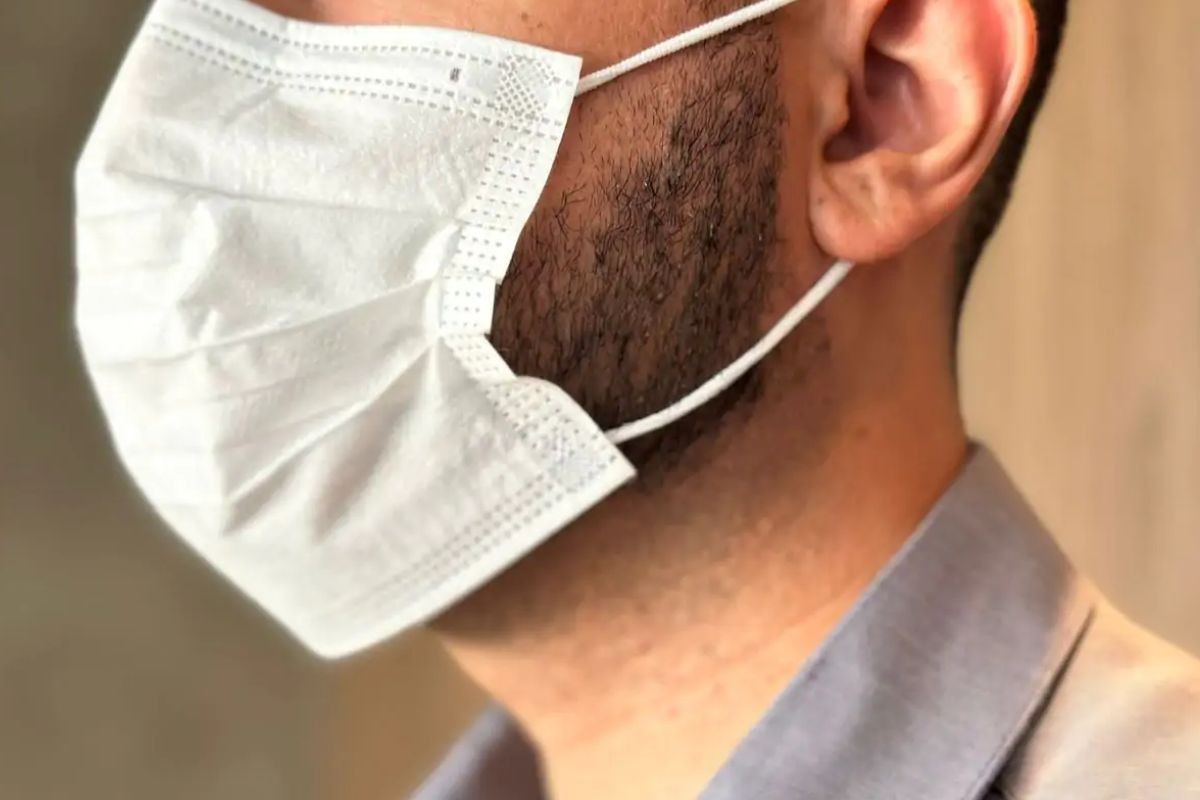
A court in Mato Grosso do Sul has ordered four businessmen to pay more than R$1.7 million for supplying counterfeit N95 masks to the State Government during the COVID-19 pandemic. The businessmen sold 10,000 PFF2/N95 masks to the Mato Grosso do Sul Regional Hospital in 2020. Investigations by the Public Prosecutor's Office of Mato Grosso do Sul revealed that the masks bore a non-existent brand and failed to meet the technical requirements for personal protective equipment for healthcare professionals. Expert analyses confirmed the masks lacked adequate filtration, proper sealing, and valid certification. Although the masks reached the hospital, they were not used after the irregularities were discovered. The contract value was R$599,900. Emerson Ludwig was ordered to fully reimburse the R$599,900 to public funds and pay an equal amount in civil fines. He also faces a five-year suspension of political rights and a ten-year ban on contracting with the government or receiving fiscal and credit incentives. Matheus Souza Ludwig, Wagner Gonçalves Martins, and Gabriel Melo Matos de Salvi received five-year suspensions of political rights and ten-year bans on public contracts. Each of them must also pay a civil fine equivalent to one-third of the contract value, totaling R$199,966.66 each. The legal action stems from the same events investigated in "Operation Parasite," which previously led to criminal convictions for the sale of these irregular masks. A former deputy health secretary, Antonio César Naglis, was included in the lawsuit, but the judge dismissed the case against him due to insufficient proof of his involvement. The decision is subject to appeal.
This case highlights the critical importance of robust supply chain verification and quality control for essential medical equipment, particularly during public health crises. The prosecution of businessmen for supplying substandard masks underscores the potential for financial malfeasance when demand outstrips supply and regulatory oversight is circumvented. Moving forward, enhanced due diligence processes, independent third-party certifications, and transparent procurement platforms could mitigate risks of fraud and ensure the integrity of public health expenditures. The systemic implications involve strengthening institutional capacity to detect and deter fraudulent practices, thereby safeguarding both public funds and the safety of frontline healthcare workers in future emergencies.
AI-generated to prompt reflection — not editorial opinion, not advice, not a statement of fact. How this works.