Four Charged with Homicide After Young Woman Falls to Her Death During Rope Jump
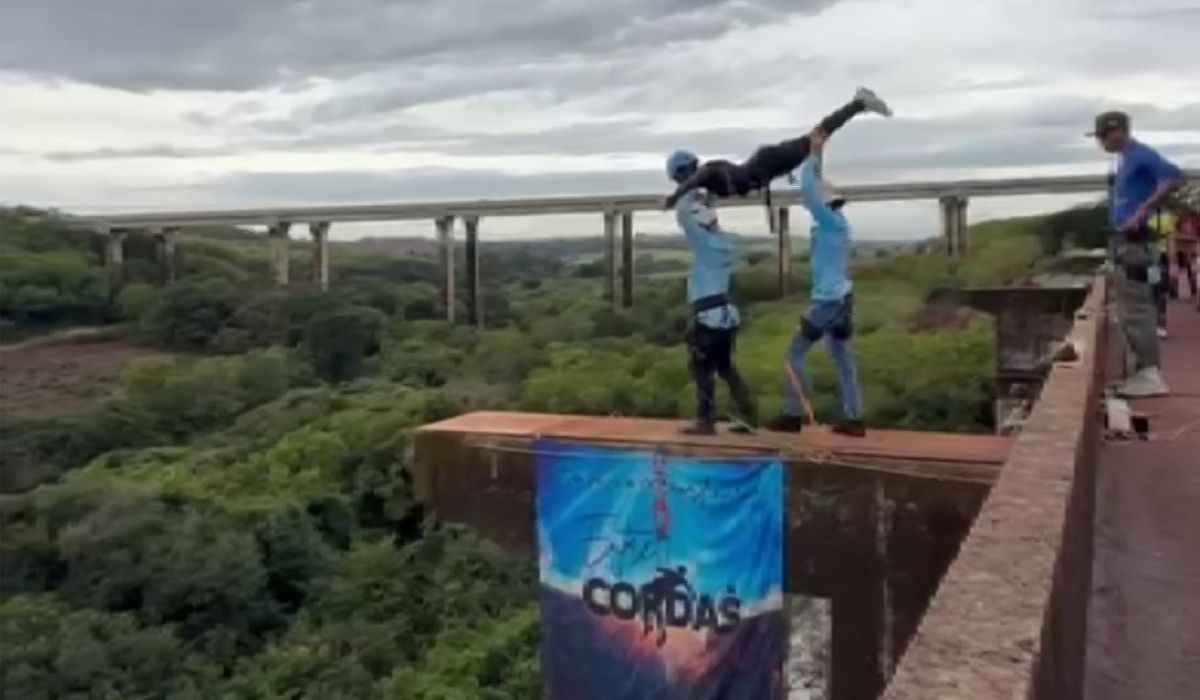
The Public Prosecutor's Office (MP) has formally charged four individuals in connection with the death of 21-year-old Maria Eduarda Rodrigues de Freitas, who fell 40 meters to her death during a rope jump on June 13. The incident occurred at the Ponte do Esqueleto, a bridge located between Limeira and Cordeirópolis in São Paulo state. The MP has accused the four individuals, who had previously been indicted by the Civil Police, of homicide with eventual intent and procedural fraud. Three men—Luis Felipe Feliciano Egoroff, Maicon Fernandes Cintra, and Vitor de Freitas Gonçalves—are charged with homicide with eventual intent, qualified by base motive and a method that prevented the victim's defense. Evelyne dos Santos Gonçalves is charged with homicide with eventual intent, qualified by improper omission, and procedural fraud. Homicide with eventual intent signifies that the perpetrator did not intend to kill but was aware of the potential for death and proceeded, accepting the risk. The MP is also seeking R$ 200,000 in damages and requested that the pre-trial detention of the three men be maintained, while the organizer's temporary detention be converted to preventive custody. The legal process will now involve the court reviewing the MP's charges; if accepted, an evidentiary hearing will determine if the case proceeds to a jury trial. The central legal debate will likely focus on whether the act constituted homicide with eventual intent or a negligent homicide (homicide culposo), with the former leading to a jury trial. The MP alleges the organizers were aware of the risks but failed to implement necessary safety checks, prioritizing economic interests and social media promotion over participant safety. Defense attorneys for two of the accused have stated they disagree with the charges, asserting their clients acted negligently rather than with intent or recklessness.
This tragic event highlights systemic failures in the oversight of adventure sports, particularly those that commercialize high-risk activities. The prosecution's focus on 'homicide with eventual intent' suggests a legal framework grappling with accountability when intent to kill is absent but a conscious disregard for life-threatening risks is evident. The MP's assertion that economic interests and social media visibility were prioritized over safety points to a broader societal trend where the pursuit of engagement and profit can overshadow essential risk management protocols. Moving forward, regulatory bodies and industry stakeholders must consider more robust certification, mandatory safety audits, and clearer legal definitions of liability to prevent future occurrences. The case underscores the critical need for stringent safety standards and enforcement mechanisms to protect participants in inherently dangerous recreational activities, especially as the digital age amplifies both the appeal and the potential for negligence.
AI-generated to prompt reflection — not editorial opinion, not advice, not a statement of fact. How this works.