Four Convicted for Triple Homicide in Acre, Sentenced to Over 220 Years
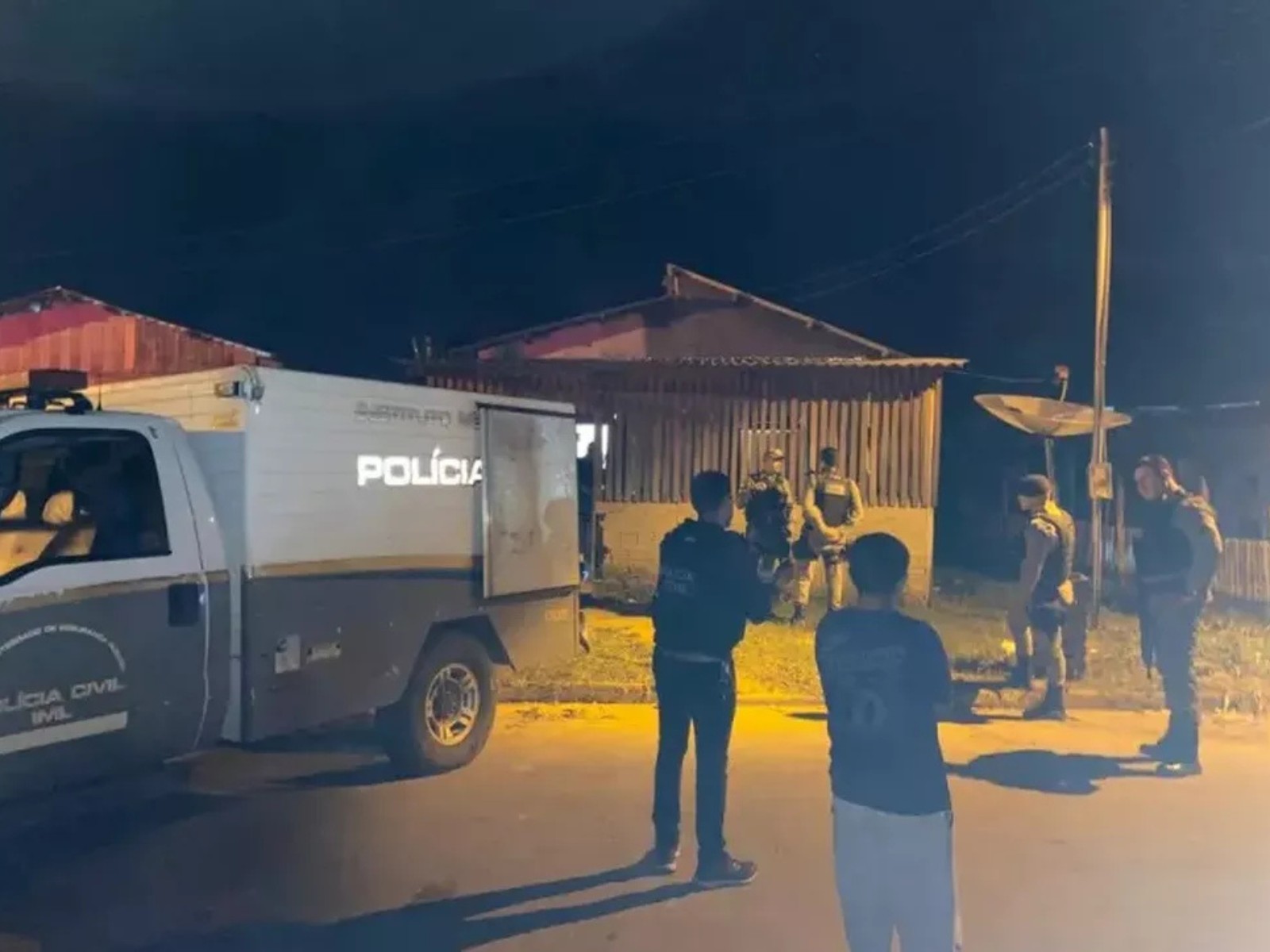
A court in Acre, Brazil, has sentenced four individuals to a combined total of over 220 years in prison for the murder of three young men and for criminal organization. The convicted men are Natanael do Nascimento Salgueiro, 27, Cleudo Freitas Rodrigues, 25, Gabriel Sombra de Andrade, 30, and Júnior de Souza Borges, 32. The crime occurred in April 2022 in Brasiléia, within the state of Acre. The victims were identified as Lucas Bandeira Barbosa, 23, André Gustavo Sales de Oliveira, 16, and Wanderson Souza e Silva, 18. Prosecutors allege the motive for the killings was a dispute between criminal factions vying for control of territories in the border region. The defendants, represented by the Public Defender's Office of Acre, were found guilty of qualified homicide and criminal organization, with aggravating factors including base motive, cruel means, and the use of methods that hindered the victims' defense. The judge, Jose Leite de Paula Neto, stated that the defendants, who are being held in preventive detention, will not be allowed to appeal the sentence while free. Gabriel Sombra de Andrade also faces a fine for court costs. The court's decision highlighted the defendants' high level of dangerousness based on the crime's execution. The sentencing led to the arrest of other suspects who had been at liberty. Separately, Gabriel was also arrested on April 28, 2022, suspected of supplying weapons and facilitating the murders, as well as supporting the criminal faction in other executions. The individual sentences are: Natanael do Nascimento Salgueiro, 68 years and 3 months; Cleudo Freitas Rodrigues, 54 years and 6 months; Gabriel Sombra de Andrade, 24 years; and Júnior de Souza Borges, 75 years, 5 months, and 15 days. The incident on April 5, 2022, involved an armed group invading a house and fatally shooting the three victims, who were between 16 and 23 years old. Emergency services confirmed the deaths at the scene. The investigation involved forensic work and police searches, with Júnior de Souza Borges being apprehended approximately 20 days after the crime.
This case underscores the persistent challenge of inter-factional violence in border regions, often fueled by competition for illicit territorial control. The severe sentences reflect the judicial system's response to organized crime and the gravity of the homicides, particularly given the young age of the victims and the alleged brutality of the attacks. From a systemic perspective, the underlying issue is the vacuum of state authority and economic opportunity in certain areas, which allows criminal organizations to flourish and engage in violent territorial disputes. Addressing this requires a multi-pronged approach that includes strengthening law enforcement presence, but more critically, investing in social programs, education, and economic development to provide viable alternatives to criminal activity and undermine the recruitment base of these factions. The long sentences, while serving as a deterrent and retributive measure, do not inherently resolve the root causes of such conflicts, suggesting a need for long-term strategies focused on community resilience and state-building.
AI-generated to prompt reflection — not editorial opinion, not advice, not a statement of fact. How this works.