Four Drivers Arrested for Drunk Driving in Maranhão, Brazil
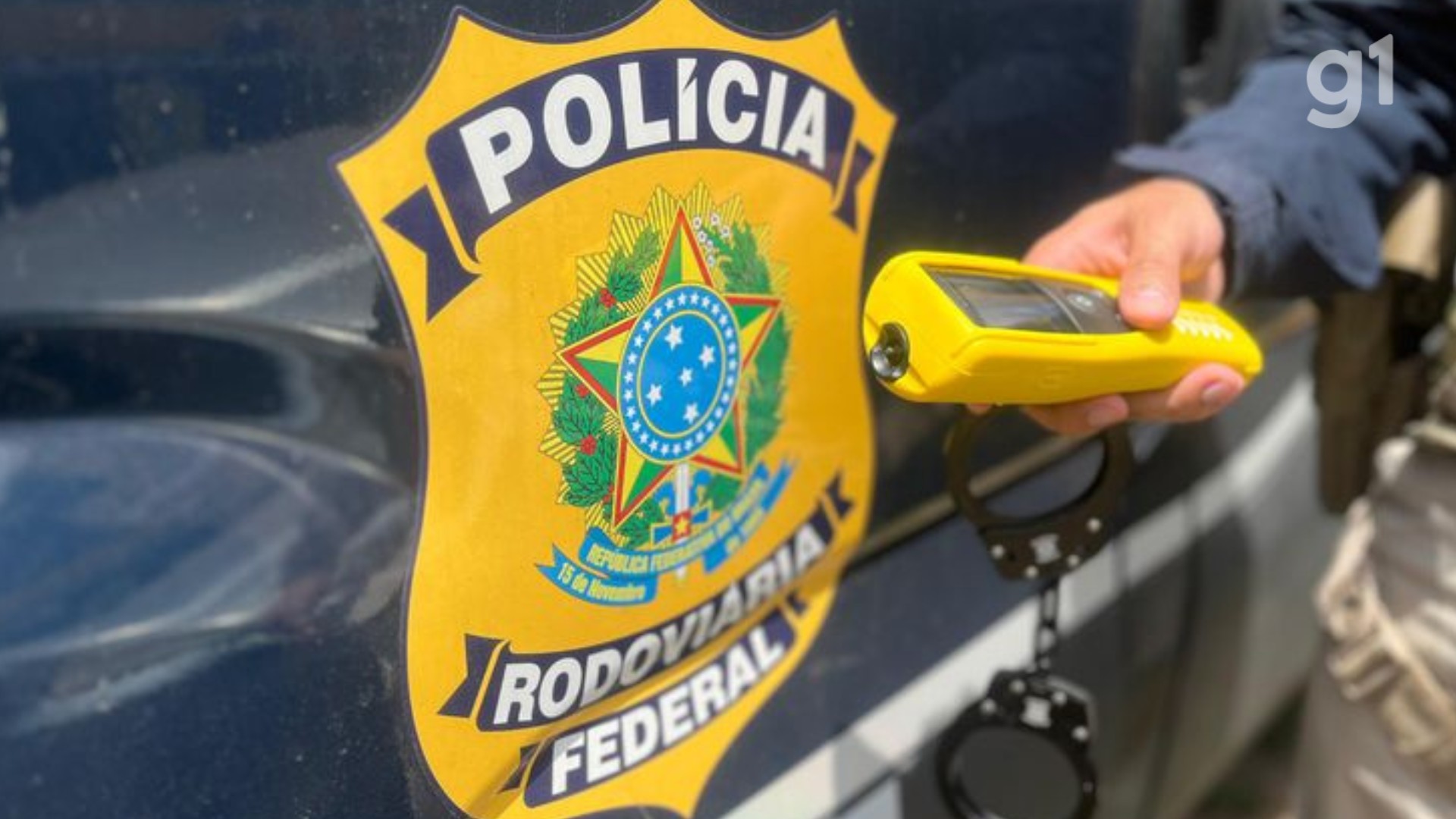
The Federal Highway Police (PRF) in Maranhão, Brazil, arrested four drivers for drunk driving between Friday, November 1st, and Saturday, November 2nd. The enforcement operations took place on federal highways BRs 222 and 230, in the municipalities of Açailândia and Balsas. In Açailândia, three arrests occurred on BR-222 on Saturday. The first driver was stopped around 3 PM at kilometer 661, with a breathalyzer result of 0.63 mg/L, leading to his arrest. Shortly after, at 5:40 PM, a motorcyclist at kilometer 667 tested at 0.52 mg/L and was arrested for drunk driving and for operating without a license, as per articles 306 and 309 of the Brazilian Traffic Code. The third arrest in Açailândia happened at 9:36 PM at kilometer 671, where another driver's breathalyzer reading was 0.48 mg/L. In Balsas, on Friday night, PRF officers stopped a motorcycle without a license plate at kilometer 412 of BR-230. The motorcyclist exhibited signs of severe intoxication, including disorientation and a strong alcohol odor, with a breathalyzer result of 1.81 mg/L, significantly exceeding the criminal limit. He was arrested and taken to the Civil Police. The PRF emphasized that driving under the influence is a major cause of serious traffic accidents and fatalities and that ongoing operations aim to remove impaired drivers from federal roads.
This incident highlights the persistent challenge of impaired driving on Brazilian federal highways, with four arrests demonstrating the PRF's active enforcement. The varying breathalyzer readings, from just above the legal threshold to nearly four times the criminal limit, underscore the spectrum of risk posed by these drivers. While the PRF's commitment to public safety through these operations is clear, the systemic issue of drunk driving suggests a need for broader societal interventions beyond enforcement, potentially including public awareness campaigns and stricter penalties to deter repeat offenses. Future strategies might also consider the role of technology in vehicle safety and the underlying socio-economic factors that may contribute to such behavior.
AI-generated to prompt reflection — not editorial opinion, not advice, not a statement of fact. How this works.
