Four lawyers' arrests upheld in Bahia operation targeting prison-based criminal factions
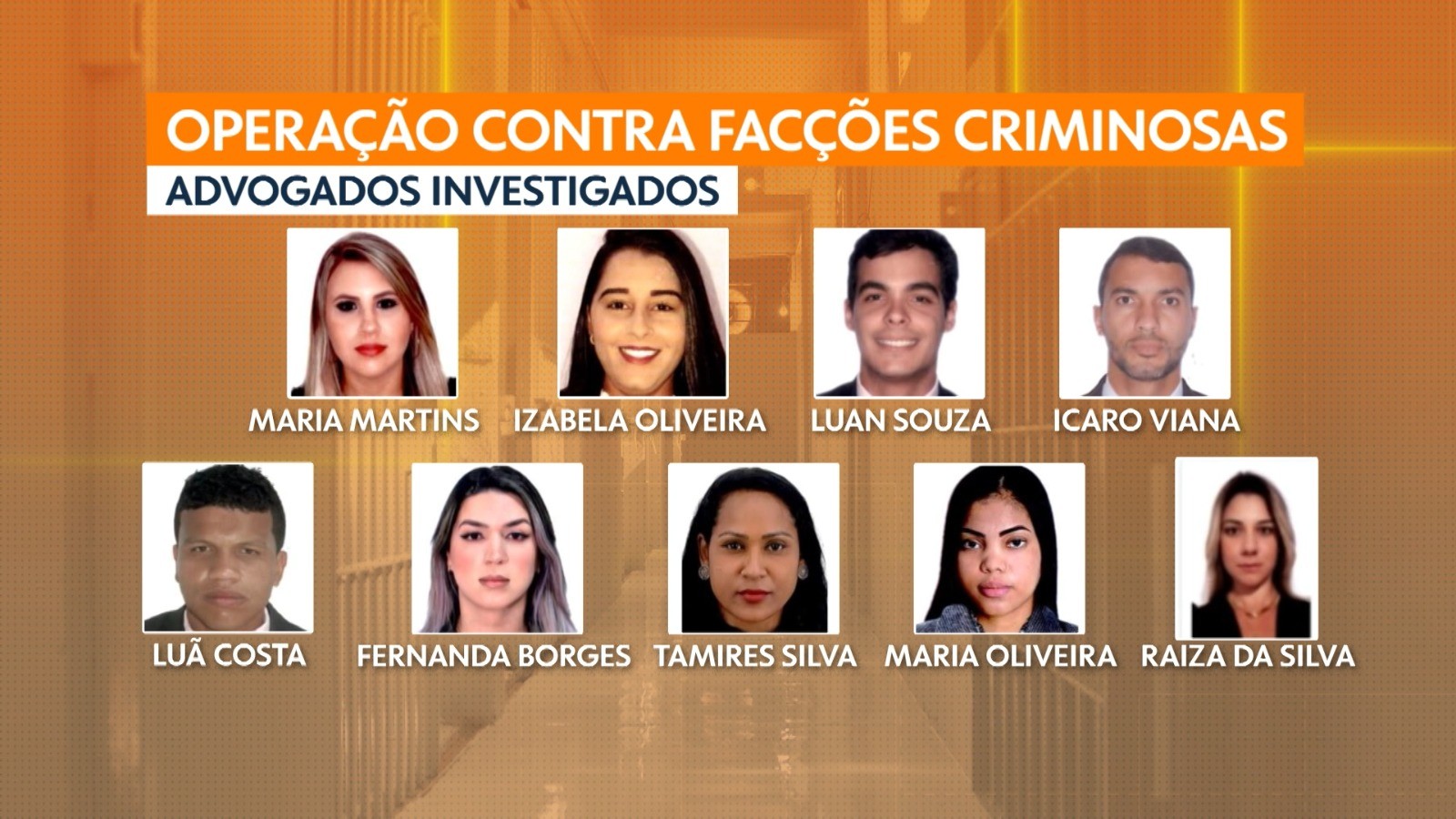
Four lawyers arrested in Bahia, Brazil, as part of "Operation Sintonia de Gravata" have had their detentions converted to preventive custody. The operation aims to dismantle a scheme involving criminal factions operating from within the state's prison system. The lawyers, identified as Izabela da Silva de Oliveira, Luã Santos da Costa, Maria Mariana Batista de Oliveira, and Tamires Felix Alves Silva, had their custody hearings in Salvador. They were subsequently transferred from the Specialized Department of Narcotrafficking Investigation and Repression (Denarc) to the prison system. Two other individuals, Ícaro Cardoso Viana and Fernanda Oliveira Borges, were arrested in Serrinha, with their custody hearings handled by that region's court. The investigation is under judicial seal, preventing the release of official details. However, it is understood to focus on drug trafficking, illegal firearms acquisition and circulation, and the coordination between incarcerated members and those on the outside. Twelve inmates also had arrest warrants executed. The operation involved executing 15 search and seizure warrants across several municipalities, including Salvador, Lauro de Freitas, Camaçari, Feira de Santana, Serrinha, and Barreiras. Investigations revealed that the arrested lawyers allegedly represented various faction leaders involved in drug trafficking, arms trafficking, and planning homicides and kidnappings. Surveillance footage from prison parlatoria rooms, captured between September 2025 and January 2026, reportedly shows lawyers receiving and transmitting detailed instructions regarding arms deals, drug trade finances, and criminal planning. Some lawyers are accused of concealing notes within their clothing to bypass security.
This operation highlights a critical vulnerability within the justice system where legal professionals may allegedly be co-opted to facilitate criminal enterprises. The alleged use of attorney-client privilege as a shield for illegal activities raises significant governance concerns for the legal profession and correctional facilities. Future efforts may need to focus on enhanced oversight mechanisms for attorney-inmate communications, without compromising legitimate legal representation. The integration of technology, such as authorized surveillance, appears to be a growing tool in uncovering such complex criminal networks, prompting a reevaluation of security protocols in high-risk environments. This situation underscores the ongoing challenge of balancing transparency and security in the digital age.
AI-generated to prompt reflection — not editorial opinion, not advice, not a statement of fact. How this works.