Four Men Indicted for Illegal Cassiterite Mining in Amazon National Park
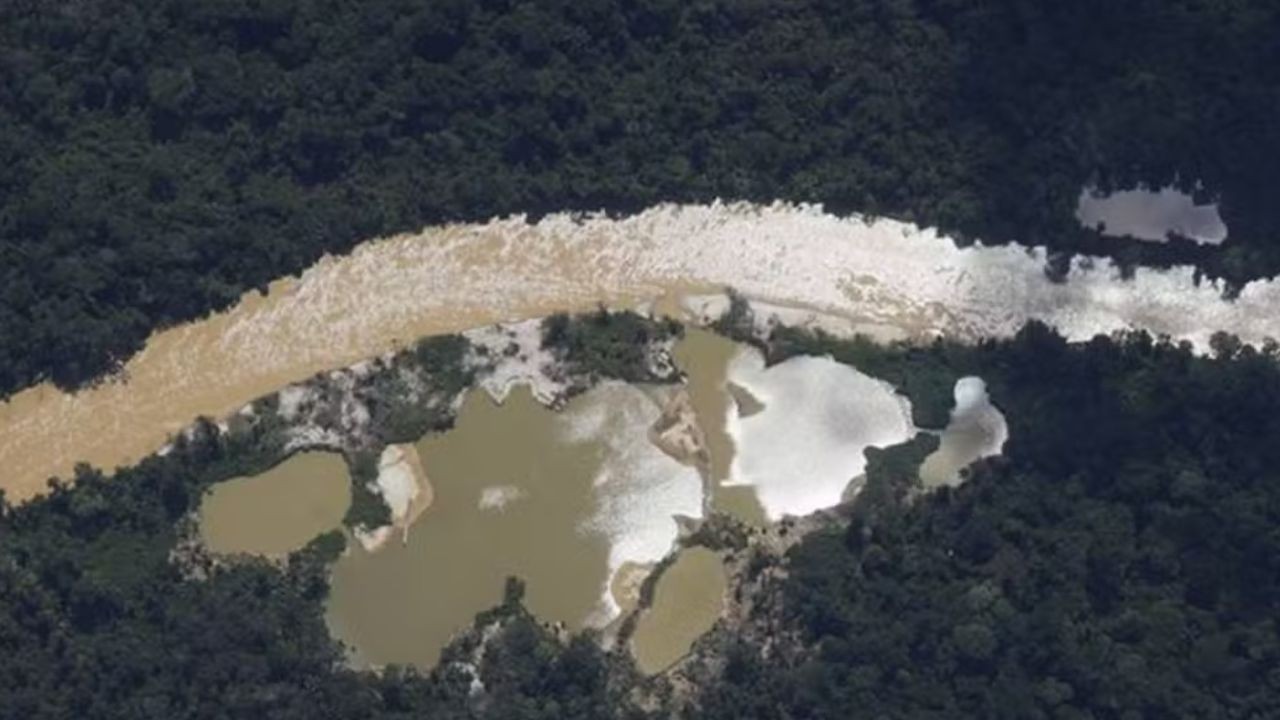
Federal Justice in Amazonas has accepted a complaint from the Federal Public Prosecutor's Office (MPF), indicting four men accused of operating an illegal cassiterite mine within the Mapinguari National Park in Lábrea municipality. Illegal mining, defined as mineral extraction without state authorization in prohibited areas, is prevalent in the Amazon, causing environmental destruction, mercury contamination, and threats to traditional communities. The four defendants now face criminal charges for usurpation of federal property, illegal resource extraction, and direct damage to a conservation unit.
According to the MPF, this predatory exploitation in Mapinguari National Park had been ongoing since before 2007 and was still active until July 26, 2023, when the site was targeted by "Operation Oportunidade V." The park, a strictly protected integral conservation unit, prohibits any natural resource exploitation. Investigations revealed heavy machinery used for cassiterite extraction, a mineral essential for tin, cell phones, and automotive parts, employing pumps, suction pipes, and hydraulic dismantling techniques.
Forensic reports from the Federal Police and ICMBio documented significant environmental damage, including the complete destruction of 39 hectares of native vegetation and contamination of approximately 4.8 kilometers of watercourses. The mining activities led to the burial of springs, creation of large flooded pits, altered natural drainage, and pollution of soil, water, and air. The ICMBio imposed a R$450,000 fine for intentional degradation, while the Federal Police estimated R$2.18 million as the minimum cost for area recovery and lost environmental services. None of the accused held environmental licenses or mining permits from relevant agencies. The indicted individuals include the mine's alleged financier and commander, two extraction operators caught in the act, and a camp worker who admitted participation.
The indictment of four individuals for illegal mining within the Mapinguari National Park highlights the persistent challenge of enforcing environmental protection laws in remote, resource-rich areas. The case underscores the conflict between economic incentives for mineral extraction, particularly for valuable commodities like cassiterite, and the imperative to preserve biodiversity and ecological integrity within protected zones. The substantial environmental damage documented, including vegetation destruction and water contamination, points to the significant externalities of unregulated resource exploitation. Future policy considerations may involve enhanced surveillance technologies, stricter penalties, and exploring legal frameworks that balance resource utilization with conservation mandates, potentially through community-based resource management models or carefully regulated extraction zones outside of critical habitats. The long-term sustainability of both economic development and ecological preservation in the Amazon hinges on effective governance and the equitable distribution of benefits derived from natural resources.
AI-generated to prompt reflection — not editorial opinion, not advice, not a statement of fact. How this works.