Four-meter False Killer Whale Found Dead with Fishing Gear in Ilhabela
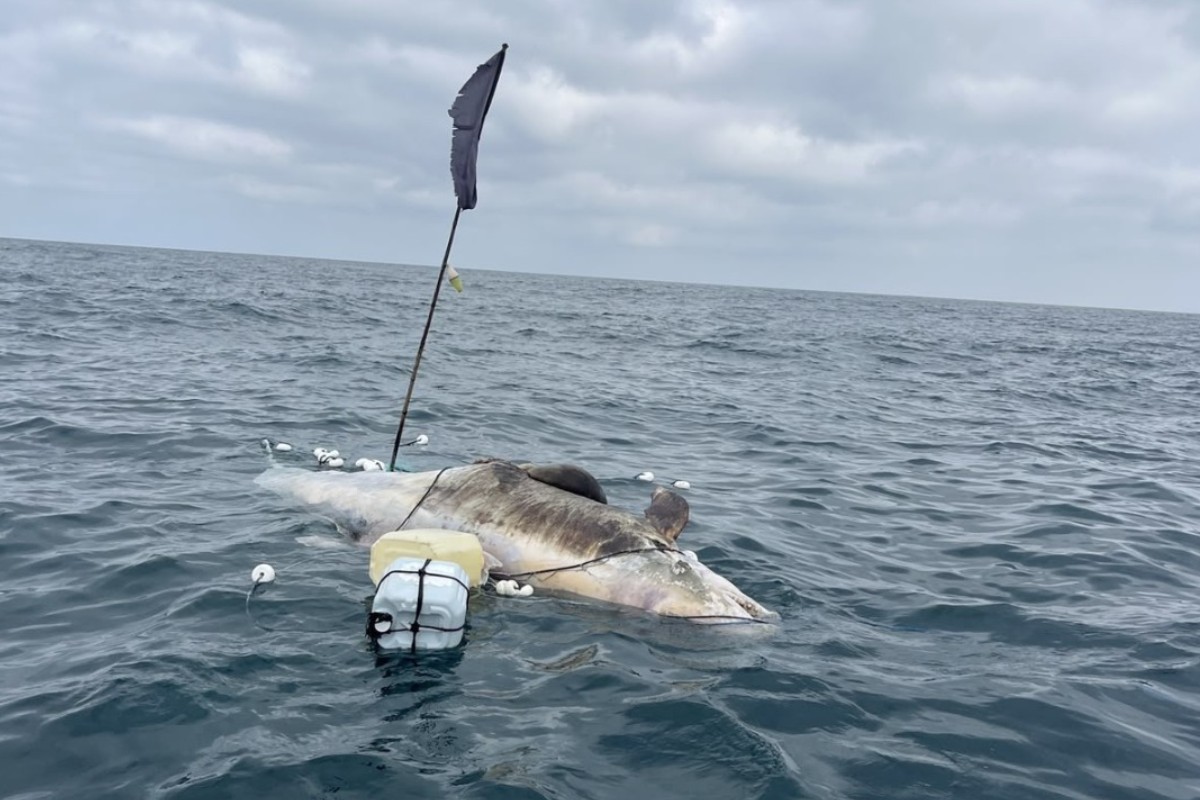
A female false killer whale, approximately four meters long, was discovered deceased off the coast of Ilhabela, São Paulo, Brazil, with fishing gear entangled around its body. The marine mammal was located at sea, about four kilometers from Ponta do Sepituba, during a boat-based monitoring effort conducted by the Argonauta Institute. This operation is part of the Santos Basin Beach Monitoring Program (PMP-BS).
Despite its common name, the false killer whale (Pseudorca crassidens) is a large dolphin species that can reach up to six meters in length and weigh over a ton. These animals, which live in social groups and are apex predators feeding on fish and squid, are infrequently recorded along the Brazilian coast. Following its recovery, the carcass was transported to Praia Grande in São Sebastião, to the institute's Stabilization Unit.
At the unit, the team commenced a necropsy to determine the cause of death and collected biological samples for specialized laboratory analysis. Veterinarians emphasized that these examinations are crucial for understanding the circumstances of the animal's demise. The presence of fishing equipment on the whale underscores the significant impact of human activities on coastal environments and marine life.
The entanglement of a false killer whale with fishing gear highlights a persistent challenge in marine conservation: the detrimental effects of anthropogenic activities on wildlife. This incident underscores the need for robust strategies to mitigate bycatch and marine debris, particularly in ecologically sensitive areas like the Santos Basin. Future efforts should focus on enhancing fishing gear designs, improving waste management in coastal communities, and strengthening enforcement of regulations aimed at protecting marine ecosystems. Considering the long-term implications of ocean pollution and habitat degradation, proactive measures are essential to safeguard vulnerable species and maintain the health of marine food webs.
AI-generated to prompt reflection — not editorial opinion, not advice, not a statement of fact. How this works.
