Four Months On, No Answers in Disappearance of Baby José Arthur in Pará
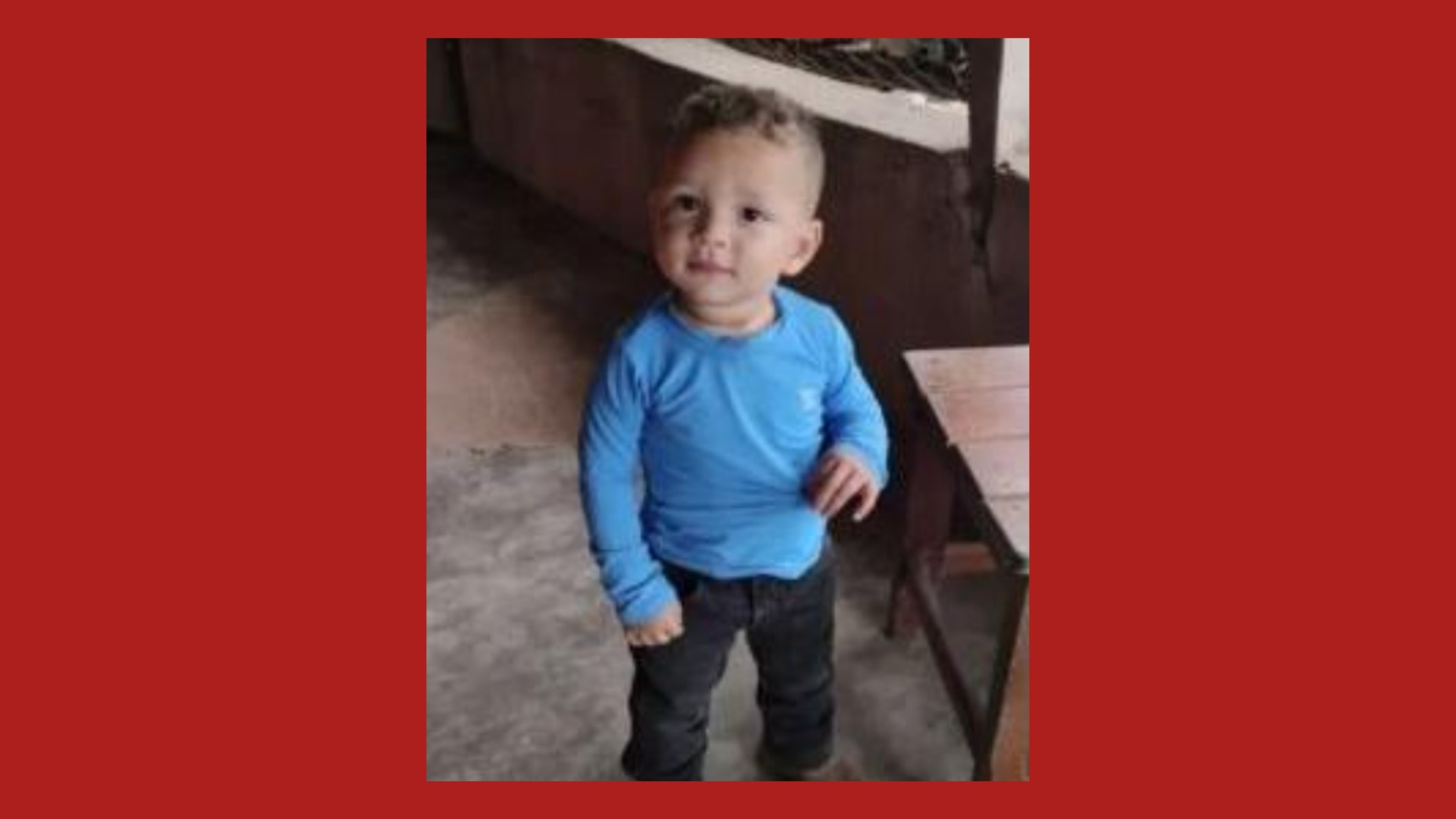
The disappearance of 1-year-and-7-month-old baby José Arthur Sousa Barros in Eldorado dos Carajás, Pará, has reached its four-month mark without any resolution. The Civil Police stated that investigations are ongoing by the local delegation in the southeastern region of Pará. In June, the child's mother, Geiciara Souza Gonçalves, made an emotional public appeal for her son's return, expressing her profound grief and longing. Two men, Roserlândio Castro de Almeida and Evandro Firmino da Silva, who were initially arrested on suspicion of involvement, were released in June after their temporary detention period expired. They had been apprehended in April during a joint operation and were known to be friends of the family who frequented the residence. José Arthur vanished on the evening of March 26 while playing outside his rural home with cousins. Extensive search efforts involving firefighters, local residents, scent dogs, drones, and divers have yielded no trace of the child. Over 25 individuals have been interviewed, and mobile phones were seized as part of the investigation, which remains under judicial seal. The region where the child disappeared is characterized by vegetation, a river, and a federal highway. Authorities are urging anyone with information to contact the anonymous tip line (181).
The prolonged lack of resolution in the disappearance of José Arthur Sousa Barros highlights critical challenges in child protection and investigative processes, particularly in rural areas. The release of initial suspects due to the expiration of temporary detention underscores the complexities of evidence gathering and the legal timelines that can impact ongoing investigations. This situation prompts reflection on the resources allocated to such cases, the effectiveness of inter-agency coordination, and the psychological toll on families awaiting answers. Future approaches might consider enhanced digital forensic capabilities, community-based search protocols, and specialized support systems for families facing prolonged uncertainty, especially as AI-driven analytical tools become more integrated into investigative frameworks.
AI-generated to prompt reflection — not editorial opinion, not advice, not a statement of fact. How this works.