Four Puppies Die in Cuiabá Shelter; Mayor Cites Sabotage
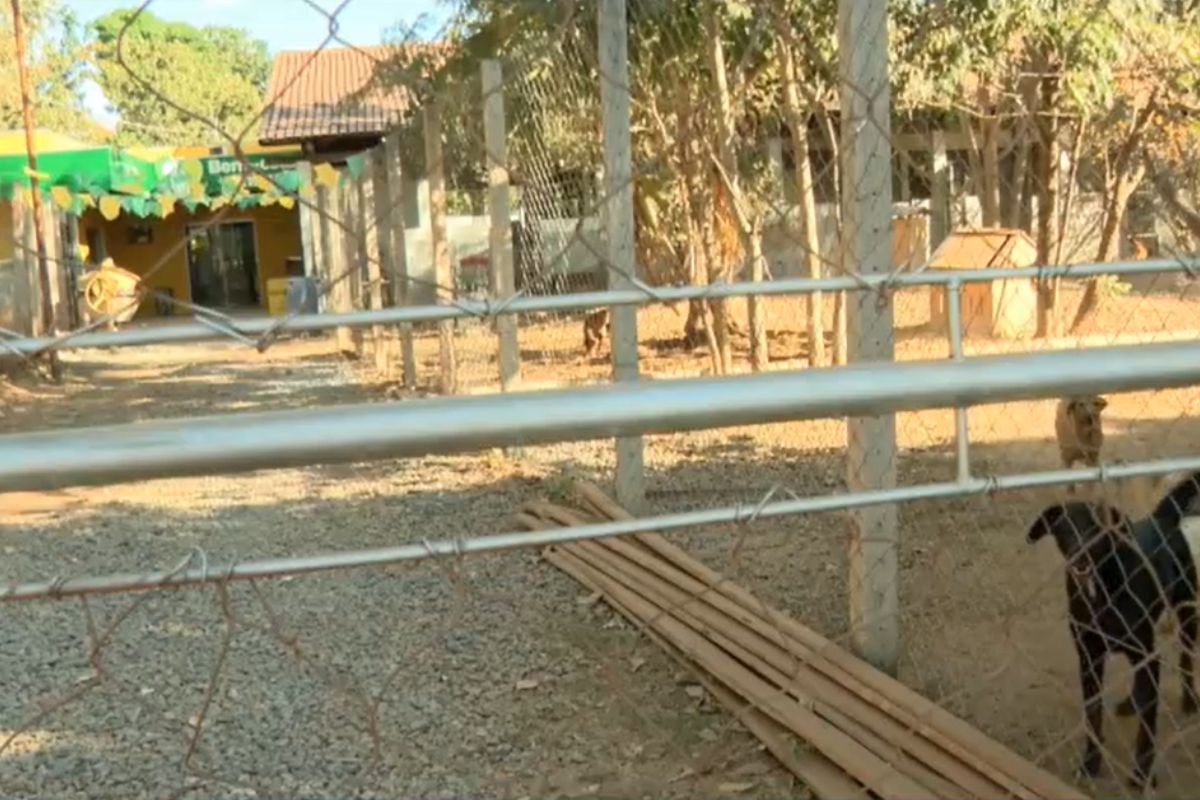
Four young puppies died between July 25 and July 27 in a makeshift shelter operated by the Cuiabá City Hall's Animal Welfare department. The animals had been moved to the facility due to suspected canine distemper, a highly contagious disease, to prevent further spread among other animals. Mayor Abilio Brunini (PL) stated that approximately 13 dogs were housed in the shed. He also alleged that the electricity supply to the shelter was intentionally cut off over the weekend without the city's authorization, suggesting a possible act of sabotage. Brunini announced an investigation into who was responsible for this "boycott" and who accessed the facility. Animal rights advocates have criticized the conditions at the shed, claiming it lacks adequate ventilation and proper structure for housing animals. The exact cause of the puppies' deaths is still under investigation by the Civil Police's Specialized Environmental Crimes Division (Dema). In response, the city hall has moved the remaining isolated dogs to contracted veterinary clinics for specialized care. Furthermore, the city plans to relocate the Zoonosis Control Center (CCZ) to a new, separate location to enhance biosecurity and meet infectious disease protocols. The current Animal Welfare structure will undergo renovations for future expansion, as it has reached its maximum capacity.
The incident highlights critical challenges in municipal animal welfare management, particularly concerning disease control and infrastructure. The mayor's accusation of "boycott" and sabotage, while requiring thorough investigation, points to potential internal conflicts or external pressures affecting animal care operations. The situation underscores the need for robust, transparent protocols for animal housing, disease management, and facility maintenance, especially when dealing with contagious illnesses. Future planning should prioritize adequate resources and infrastructure to prevent overcrowding and ensure humane conditions, thereby mitigating risks of disease outbreaks and animal suffering. Examining the governance and oversight mechanisms within the animal welfare department could reveal systemic vulnerabilities that need addressing to prevent recurrence.
AI-generated to prompt reflection — not editorial opinion, not advice, not a statement of fact. How this works.