Four terrorists killed in joint police operation near Karak-Kohat border
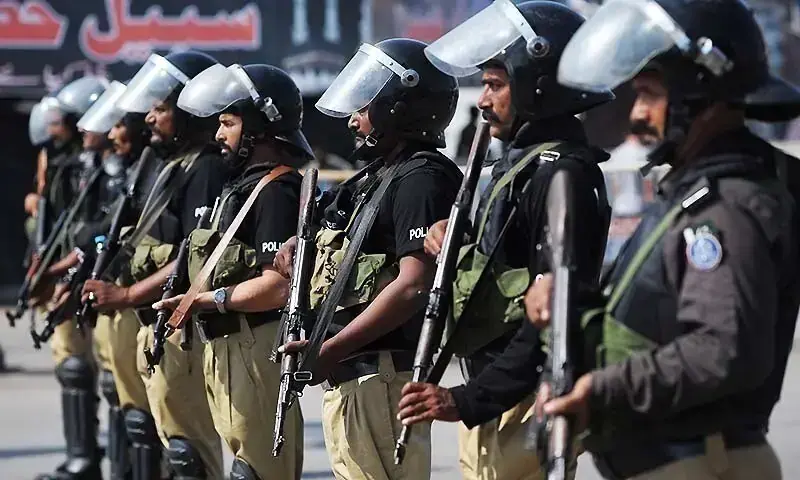
Police in Pakistan's Khyber Pakhtunkhwa province reported that four terrorists were killed in a joint intelligence-based operation in the Khattak Dam area, situated near the border of the Karak and Kohat districts. The operation commenced around 5 am following credible intelligence about the terrorists' presence. During the operation, the terrorists initiated gunfire towards the police, which was met with a retaliatory response. An intense exchange of fire ensued, resulting in the deaths of the four militants belonging to the 'Commander Zahid Group'. This group is reportedly responsible for the killings of several police officers and personnel. Following the operation, police initiated a search and cordon to gather more information on the identities and criminal records of the deceased terrorists. The Karak police reaffirmed their commitment to eradicating terrorism and ensuring regional peace, vowing to continue operations against militant groups. Interior Minister Mohsin Naqvi commended the police for their success, referring to the militants as 'India-sponsored terrorists' and stating that forces are determined to eliminate terrorism. This incident occurs amidst a backdrop of rising violence in Khyber Pakhtunkhwa, with the Centre for Research and Security Studies reporting fatalities increased from 1,620 in 2024 to 2,331 in 2025.
This operation highlights the ongoing security challenges in Khyber Pakhtunkhwa, a region experiencing a significant increase in violence as detailed by the Centre for Research and Security Studies. The successful neutralization of the 'Commander Zahid Group', allegedly involved in targeting law enforcement, demonstrates the state's capacity for counter-terrorism operations. However, the framing of the militants as 'India-sponsored' by the Interior Minister injects a geopolitical narrative that warrants careful consideration. While state actors often attribute domestic instability to external influence, understanding the complex interplay of local grievances, regional dynamics, and potential external support is crucial for a comprehensive assessment. Future strategies should focus on addressing the root causes of extremism and fostering sustainable peace, rather than solely relying on kinetic responses, to prevent the cyclical escalation of violence.
AI-generated to prompt reflection — not editorial opinion, not advice, not a statement of fact. How this works.