Four workers rescued from modern slavery conditions at a Paraná quarry
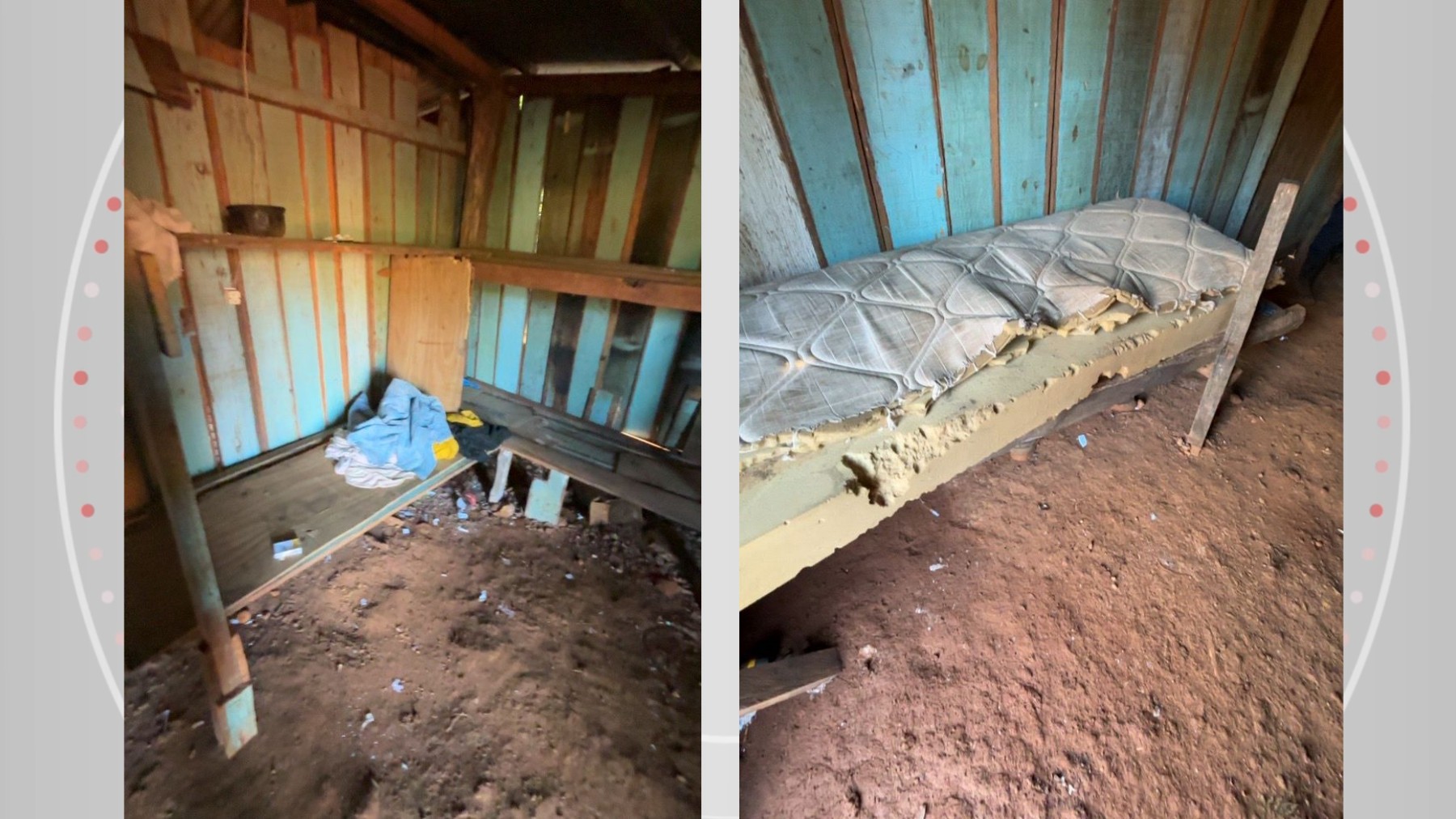
Four workers have been rescued from conditions analogous to slavery at a quarry in Virmond, a town of 3,800 inhabitants in the central region of Paraná, Brazil. The owner, a 48-year-old man, is under investigation by the Civil Police for allegedly keeping the workers captive by claiming they owed him debts for providing food and housing. The workers reported being prevented from leaving the site and felt "tied to the service" due to these alleged debts. They were housed in improvised, precarious accommodations lacking basic sanitation, running water, and proper food storage. Their salaries were low, with deductions for food and lodging, and they often received significantly less than promised, with one instance of receiving only R$300 for 60 days of work. The workers endured 10 to 12-hour workdays without receiving full payment. The quarry also operated without an environmental license, and the workers were not provided with necessary safety equipment despite the hazardous environment. The owner, who was not present during the initial inspection on Wednesday, November 1st, voluntarily reported to the police station the following day and denied the accusations, but could not provide proof of payment or other supporting documents. The investigation is ongoing and expected to conclude within 30 days, with the case also referred to the Public Ministry of Labor for administrative sanctions.
This incident highlights persistent issues of labor exploitation in Brazil, where debt bondage and precarious working conditions can trap vulnerable individuals. The alleged practices by the quarry owner, if proven, represent a severe violation of labor laws and human rights, underscoring the importance of robust regulatory oversight and enforcement mechanisms. The investigation's swiftness and referral to the Public Ministry of Labor are positive steps, but the systemic challenge of modern slavery requires continuous vigilance. Future efforts should focus on strengthening worker protections, improving access to legal recourse for exploited individuals, and addressing the underlying economic vulnerabilities that make such exploitation possible, particularly in informal sectors and remote work sites.
AI-generated to prompt reflection — not editorial opinion, not advice, not a statement of fact. How this works.