Four Workers Rescued from Slave-Like Conditions on Mato Grosso Farms
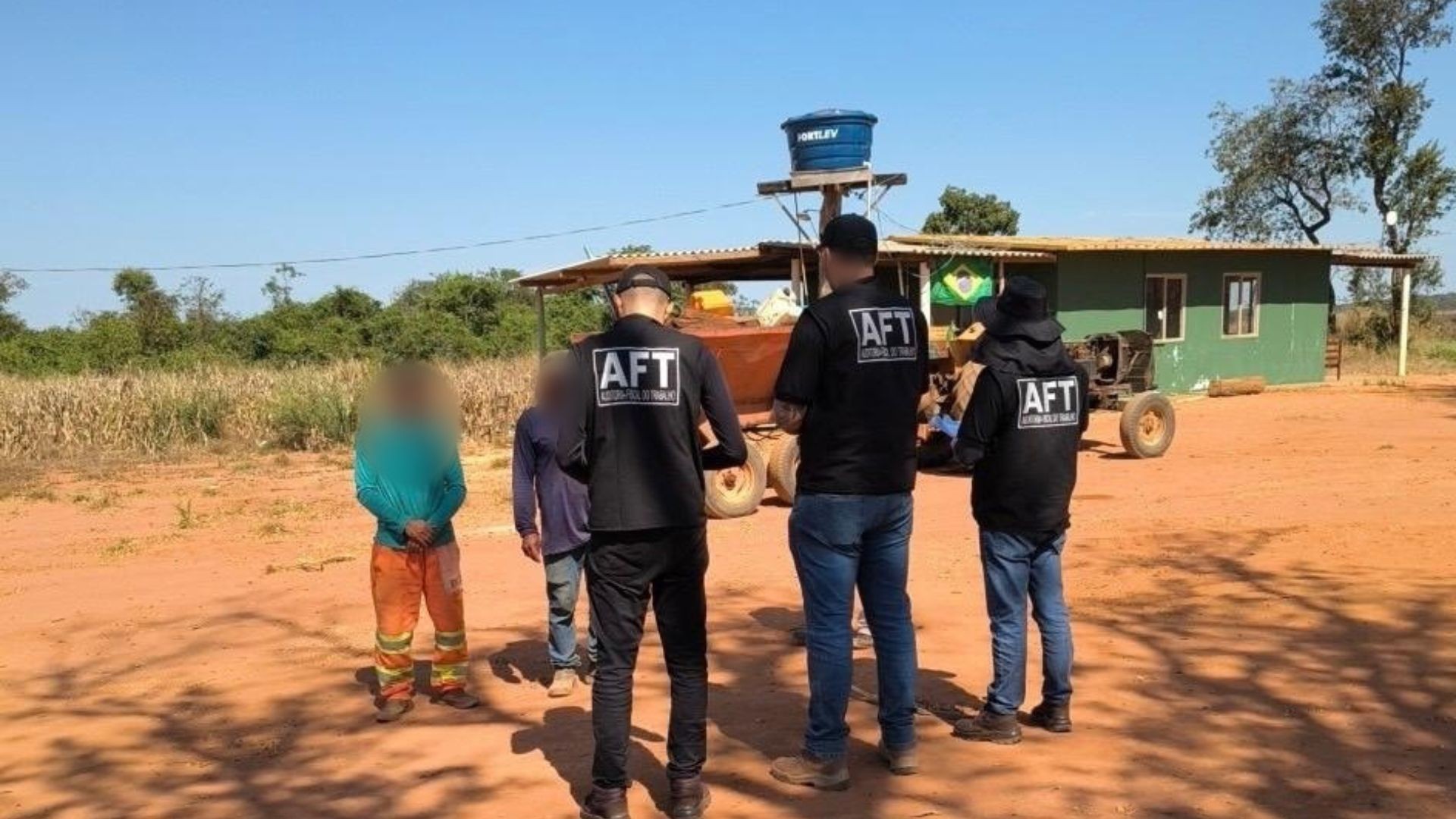
An operation conducted between July 19 and 24 in the regions of Tangará da Serra and Diamantino, Mato Grosso, Brazil, resulted in the rescue of four workers subjected to degrading conditions akin to slavery. The inspection, supported by the Federal Police and the Labor Court, uncovered numerous labor irregularities and severe health and safety violations. Activities in confined spaces and at heights were halted due to immediate risks to workers' lives and physical integrity. The rescued individuals, three fence builders and one cattle herder, were found living and working in deplorable conditions, classified as reduction to a condition analogous to slavery under normative instructions. The workers were paid daily and housed in accommodations lacking basic safety, hygiene, comfort, and rest facilities. One worker slept outdoors on a bed frame without a mattress, exposed to the elements, while the fence builders worked under intense sun without adequate protective gear or sufficient food, receiving only black coffee for breakfast. The cattle herder was housed in a poorly maintained and unhygienic dwelling with precarious electrical installations, sleeping in a hammock in an unsafe environment. Following their rescue, labor authorities ensured the payment of all due labor and severance pay, and provided assistance for their return to their hometowns within Mato Grosso. The operation also led to the formalization of employment for ten other irregularly employed workers on the inspected properties. The Labor Inspection Audit will pursue further administrative measures against the identified irregularities. Officials emphasized that contemporary slave labor often manifests through degrading work and housing conditions, and that such enforcement actions aim to halt these violations, secure workers' rights, and hold employers accountable.
This operation highlights a persistent issue of exploitative labor practices within agricultural sectors, where economic pressures can incentivize employers to disregard fundamental worker protections. The systemic failures in ensuring safe housing, adequate nutrition, and proper personal protective equipment point to gaps in oversight and enforcement, even with existing regulations. The formalization of ten additional workers suggests that such exploitative arrangements may be more widespread than initially detected. Moving forward, a focus on robust supply chain transparency, incentivizing ethical labor practices through market mechanisms, and leveraging technology for real-time monitoring could mitigate the risk of such conditions recurring. Addressing the root causes, such as poverty and lack of alternative employment, alongside stringent enforcement, is crucial for long-term eradication.
AI-generated to prompt reflection — not editorial opinion, not advice, not a statement of fact. How this works.