Four-Year-Old Girl Conquers Brazil's Third Highest Peak, Pico da Bandeira
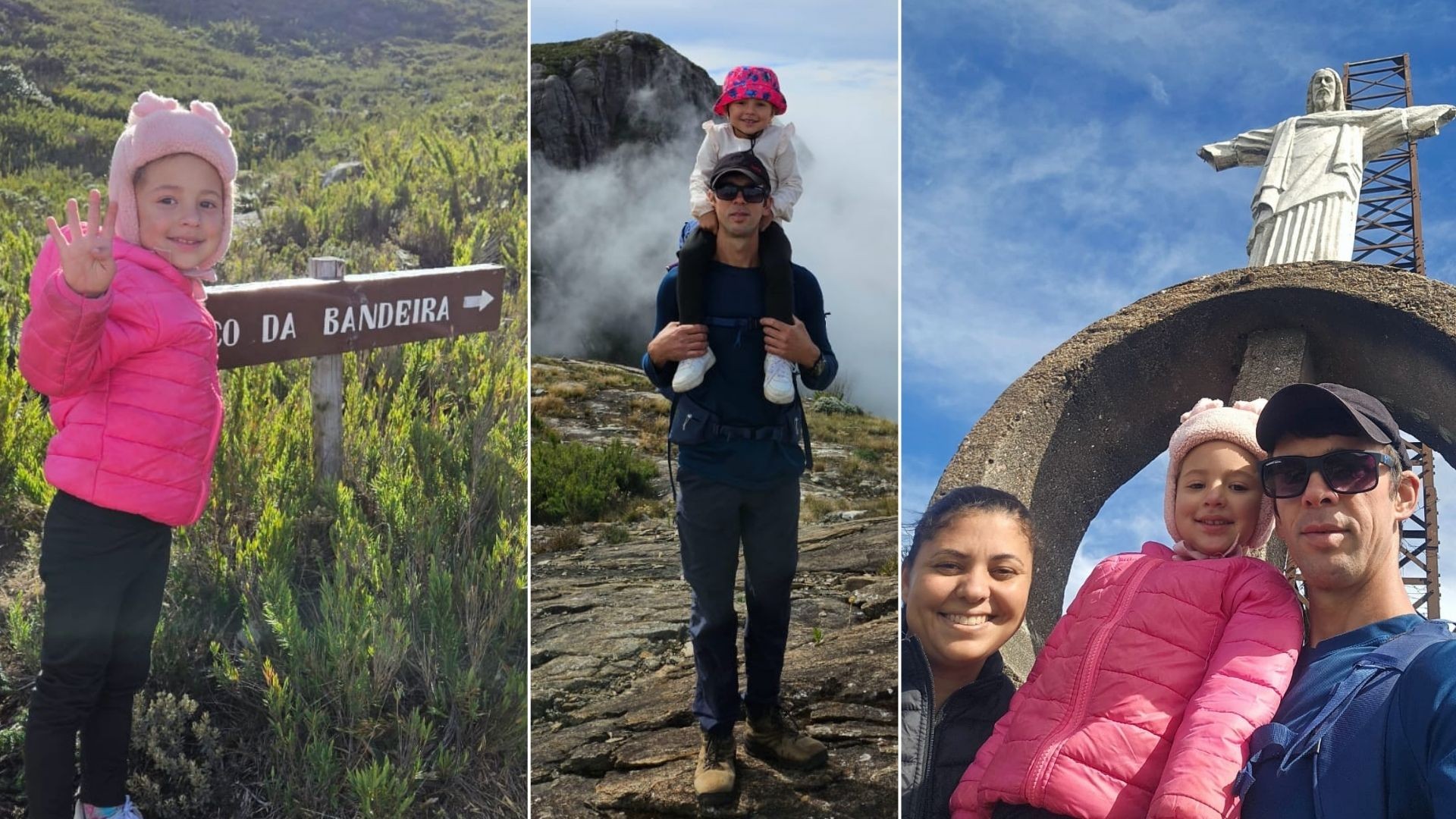
A four-year-old girl named Aurora has successfully ascended Pico da Bandeira, Brazil's third-highest mountain, reaching an altitude of over 2,800 meters. The challenging trek was undertaken with her parents, with the family accessing the tourist spot through the Caparaó National Park. This park straddles the border between Espírito Santo and Minas Gerais states, with the primary entrance on the Espírito Santo side located in Dores do Rio Preto. Aurora's father, Ivan Souza, a tour guide with over 18 years of experience, shared that the excursion occurred on May 25th. He described the journey as smooth, noting that Aurora walked a portion of the 4.5-kilometer trail herself, while he carried her on his back for other sections. The peak itself stands at 2,890 meters above sea level and is known for its spectacular sunrise views, making it a popular destination for trekkers. Despite its status as the third highest peak in Brazil, it is the highest in the Southeast region. The Caparaó National Park is recognized as a vital conservation area for the Atlantic Forest, housing unique high-altitude vegetation, significant geological features, and protecting the headwaters of three major river basins. Visitors must schedule visits in advance, with access points in both Espírito Santo and Minas Gerais.
The ascent of Pico da Bandeira by a four-year-old highlights the increasing trend of extreme adventure tourism, even for very young children. This phenomenon raises questions about parental risk assessment and the child's developmental readiness for such demanding physical and environmental challenges. While promoting outdoor activity is positive, the long-term implications of exposing children to high-altitude environments and strenuous physical exertion at such an early age warrant consideration. Future trends may see a greater emphasis on safety protocols and age-appropriateness in adventure tourism, balancing the desire for unique experiences with the paramount need for child welfare and robust risk management frameworks.
AI-generated to prompt reflection — not editorial opinion, not advice, not a statement of fact. How this works.