Fourth Inmate Recaptured After Prison Break Through Cell Hole in Belo Horizonte
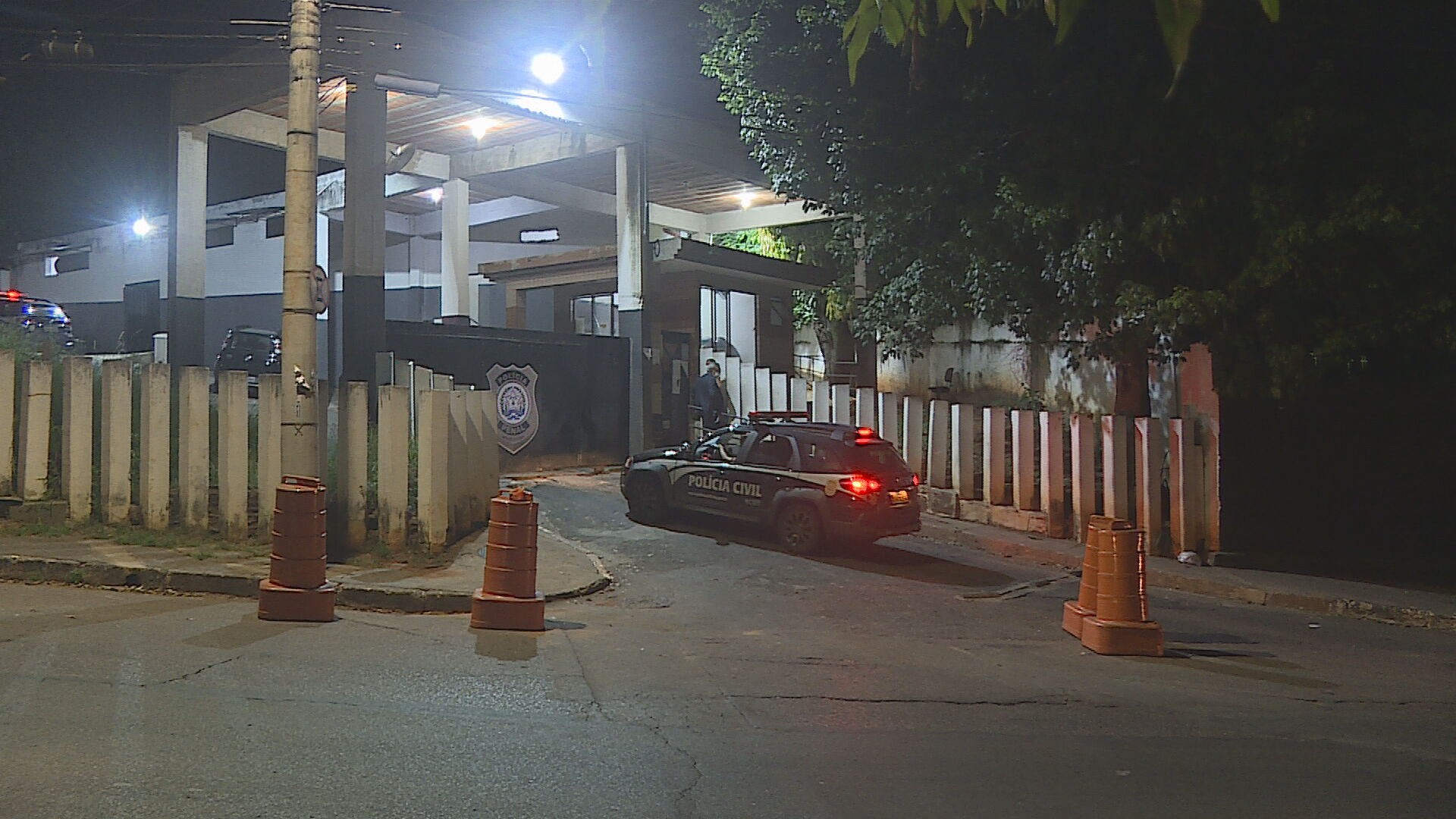
A fourth inmate, 24-year-old Leonardo da Silva, has been recaptured by penal police near the Ceresp Gameleira facility in Belo Horizonte. Da Silva was one of seven inmates who escaped after creating a hole in their cell. He had been held at the Ceresp Gameleira since April 21, 2026, and had two prior convictions. Three other inmates remain at large: Luiz Fernando Freitas Pereira, admitted July 3, 2026, with four prior convictions; Saymon Patric Gomes Alves, admitted April 22, 2026, with two prior convictions; and Bruno Gustavo Gomes da Paixão, admitted April 22, 2026, with six prior convictions. Security forces are actively searching for the remaining fugitives. The State Secretariat for Justice and Public Security (Sejusp) has initiated an internal investigation into the circumstances of the escape. The public can anonymously report information aiding the search by calling 181. The Minas Gerais Penal Police Union (Sindppen-MG) had previously warned the Public Prosecutor's Office of Minas Gerais (MPMG) about escape risks at Ceresp Gameleira due to overcrowding and understaffing. The facility currently houses 1,565 inmates, significantly exceeding its capacity of 798, and is staffed by 249 penal police officers, despite structural upgrades in 2024. The MPMG had previously acknowledged the need for increased staffing and urged the state to hire more officers to enhance public safety.
The escape highlights critical systemic issues within the correctional facility, including severe overcrowding and insufficient staffing levels, as indicated by the penal police union's prior warnings. These conditions create inherent vulnerabilities that can compromise security and facilitate illicit activities. The internal investigation by Sejusp is a necessary step, but a comprehensive review of resource allocation and infrastructure management is crucial to address the root causes. Looking ahead, the tension between maintaining public safety and the operational realities of correctional facilities under strain will likely intensify, demanding innovative solutions in prison management and potentially influencing broader criminal justice reform discussions over the next decade.
AI-generated to prompt reflection — not editorial opinion, not advice, not a statement of fact. How this works.